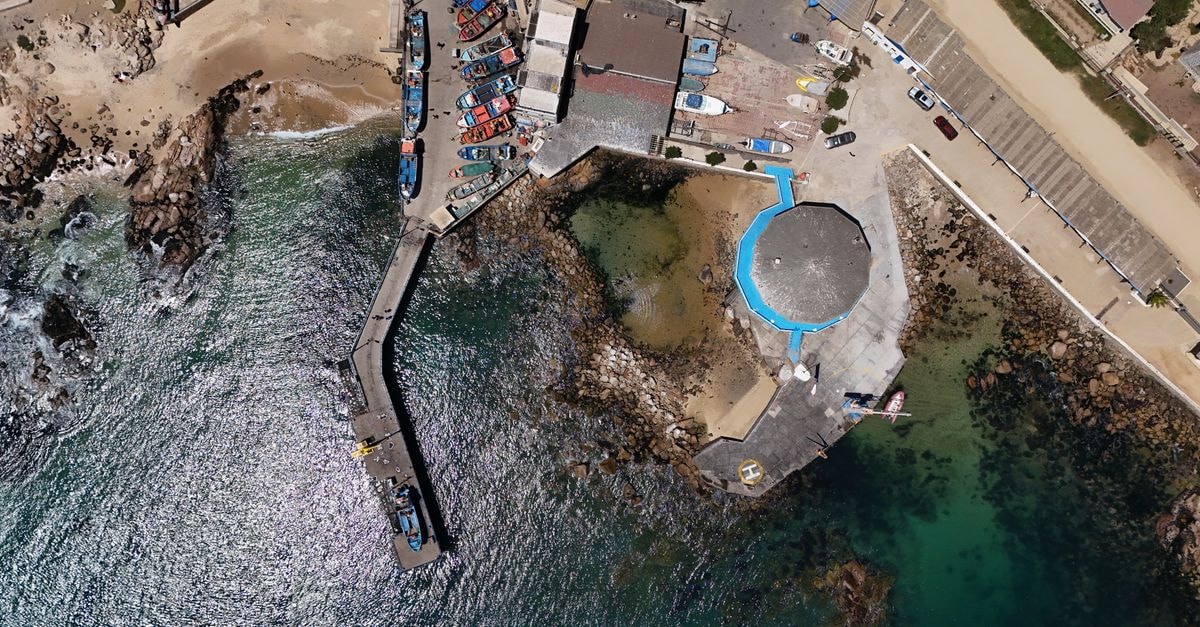
A first look at La Serena

La Serena sits in the Coquimbo Region of Chile, where the desert edge of the country meets a long Pacific coastline. Travelers tend to arrive with the idea of a beach town, and the city does deliver on that front, yet the surrounding landscape also gives it a quieter, more reflective character. The light here has the kind of clarity that artists and photographers have long chased along this coast, and even a casual wander can feel like a soft introduction to northern Chile.
This guide is built for the traveler who wants a calm, well-paced visit, the kind of reader who would rather understand a place than rush through it. The notes below lean on durable city guidance rather than date-specific promises, so the suggestions should hold up across visits and changing travel conditions.
Getting around
La Serena pairs naturally with its neighboring port city, Coquimbo, and many regional routes use the Pan-American Highway as a connecting thread. Travelers heading toward the coast from this corridor will find themselves passing through Coquimbo before reaching the seaside scenery on the other side of the bay. One well-known stretch of this coastal road leads to La Herradura de Guayacán Bay, framed as a seaside resort on the Pacific Ocean, and it is an easy orientation point for first-time visitors mapping out a few days in the area.
Because public transport details, schedules, and ticketing habits were not part of the approved evidence for this guide, it is worth confirming current local options through official channels before setting out. A flexible approach, paired with a general awareness of the Pan-American Highway as the main spine linking La Serena, Coquimbo, and the nearby coast, tends to serve independent travelers well here.
Attractions and planning
The coastline is the headline of any La Serena visit. The city is known for its long, sandy shores, and both local and international visitors are drawn to them, especially in the warmer stretch of the year. Even outside of peak beach season, a walk along the sand remains an easy way to feel the rhythm of the city, and it pairs well with a slower afternoon spent watching the light shift over the Pacific.
For travelers who enjoy a narrative layer, regional sightseeing routes often weave in local legends about ruthless pirates and cutthroat corsairs tied to the La Herradura area. These stories are part of how guides bring the coastline to life, and they give a bit of texture to what might otherwise feel like a simple scenic drive. Approaching the coast via the Pan-American Highway through Coquimbo, then continuing on toward La Herradura, is a common way to connect these stories with the actual landscape.
Practical planning here is best kept simple. The approved evidence supports a calm coastal rhythm rather than a checklist of timed entries, so it makes sense to leave room in the day for the beach, a slow coastal drive, and a pause at a landmark such as the Monumental Lighthouse. Visitors who want to pair La Serena with a wider loop can look at the La Serena and Coquimbo sights route as a starting point, while remembering that specific tour operators, current schedules, and reservation needs should always be checked directly before booking.
Food and local context
A note on Chilean food culture in general, which visitors to La Serena may encounter during their stay. Chile's food culture begins with geography, and traditional dishes reflect the country's long Pacific coast and its layered history. One widely recognized specialty is pastel de choclo, a corn pie whose surface is meant to look like golden cobblestones. The sweet corn is ground and mixed with basil, and it caramelizes in patches across the rim of the clay bowl it is traditionally baked in. It is the kind of dish that shows up in conversations about Chilean heritage cooking rather than at any single regional table, so it is worth keeping an eye out for while traveling through different parts of the country.
Beyond the kitchen, Chile more broadly is shaped by a blend of indigenous Mapuche heritage, Spanish colonial traditions, and a strong South American cultural identity shaped by its long coastline. Visitors tend to notice this mix most in everyday rhythms, from local markets and neighborhood eateries to small gestures of hospitality. None of this is unique to La Serena, but it is the wider cultural backdrop that travelers are likely to sense during their time in the region.
Because the approved evidence for this guide covers Chilean food culture at a national level rather than specific La Serena restaurants, markets, or menus, it is better to treat these notes as context for what you may come across rather than as recommendations. For specific places to eat, current opening hours, and pricing in La Serena itself, it is wise to ask locally or check current sources closer to the trip.
A few practical notes before you go
La Serena rewards a relaxed pace. With long sandy shores, a recognizable coastal landmark, and a road network that ties the city neatly to Coquimbo and the bay, the essentials of the visit are easy to plan around. The deeper details, from transport schedules and entry times to current dining options and prices, are best confirmed close to the trip through official channels and current local sources, since travel conditions can shift over time.
Travelers who enjoy a blend of scenery, light storytelling, and a slow coastal rhythm often find that La Serena fits comfortably into a longer northern Chile itinerary, whether as a base for the Coquimbo Region or as a stop along the Pan-American Highway. Approaching the city with that kind of flexibility tends to make the experience feel grounded and unhurried, which is very much in step with the character of the place itself.
Please note: factual travel conditions can change, and official channels should always be checked before departure.
Share this article
TOOLS FOR THIS PLAN
Make the La Serena plan measurable
Choose a tool only when it answers the next question in your trip. Your values stay in the browser, and each tool offers a route back to this planning context.