A first impression of Corfu

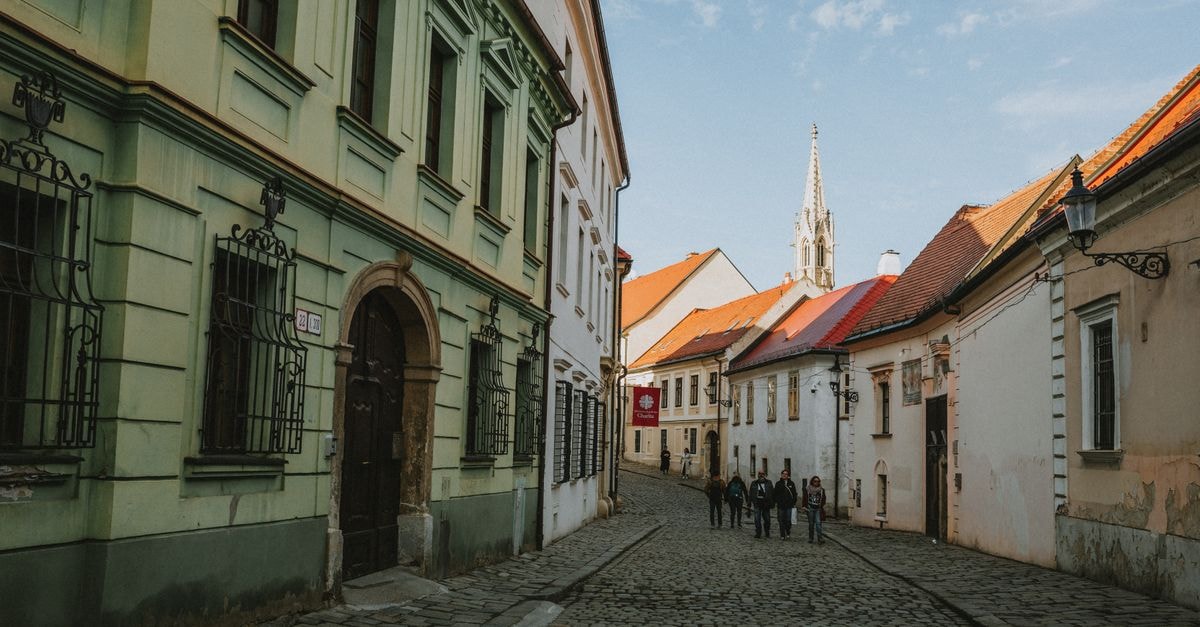
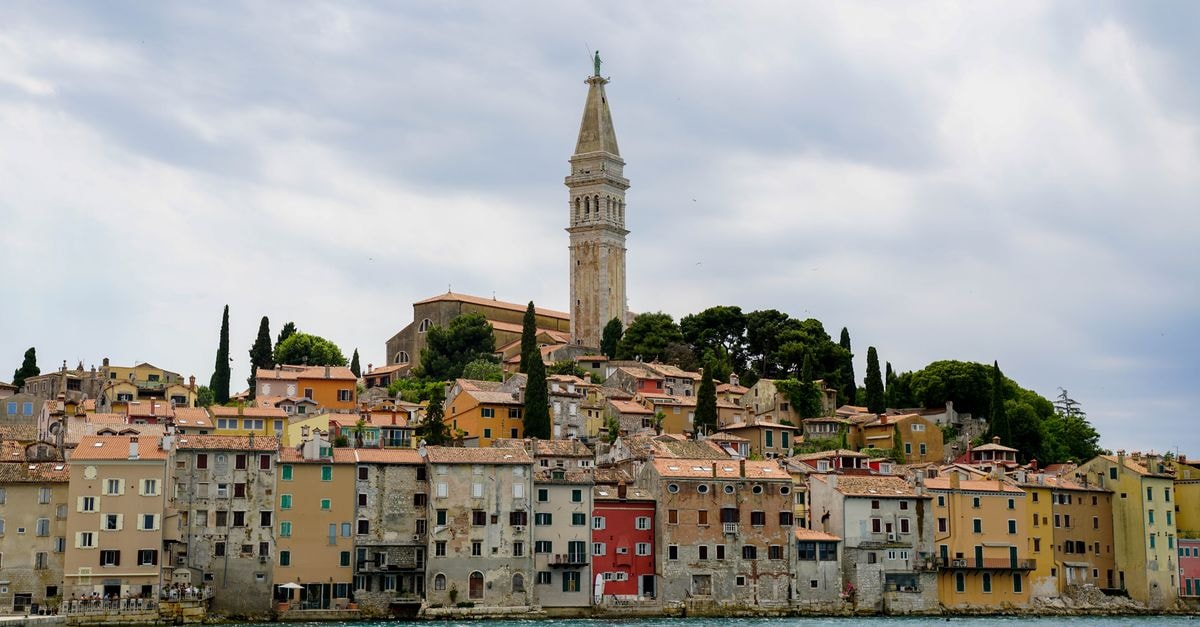
There's a particular hush that settles over Corfu's Old Town in the cooler hours, when the light turns the pastel facades a softer shade and the cobbled lanes slow to a walking pace. You get the sense that the city was built for slow looking: arcaded promenades, stone stairways climbing toward fortresses, and corners where a sea view suddenly opens between two shuttered houses. This guide leans into that quieter side of Corfu, gathering the practical details a curious traveler needs to settle in without rushing.
The Old Town itself is a compact, walkable core, and the rest of the island spreads out gently around it. Beaches line the coast and the airport sits just minutes from the center, which means you can trade a flight for a swim in the same afternoon if you arrive early. Most of what you'll want to see, taste, and learn about sits within easy reach of a central base.
Weather and seasonal context
Corfu's weather can shift between bright seaside mornings and soft, overcast afternoons, and the city lends itself well to either mood. On overcast or rainy days, Corfu's covered and indoor heritage comes to the foreground, offering a layered cultural immersion that pairs naturally with slower pacing and longer museum stops.
A short list of covered and indoor-friendly sites makes a wet-day plan feel effortless:
- **Museum of Asian Art** — around 1 hour 30 minutes, ticket about 6€, closed on Mondays. - **Saint Spyridon Church** — about 45 minutes, free entry, rooted in the island's religious heritage. - **Venetian Old Fortress** — around 1 hour, ticket about 4€, with covered galleries to explore. - **Municipal Theater** — variable length, tickets typically 15–30€, hosting winter shows. - **Traditional wine cellars** — about 1 hour, tastings around 8–15€. - **Reading Library** — free, with a quiet atmosphere suited to long pauses. - **Liston (Venetian arcades)** — covered shopping that works in any weather.
Booking online where possible helps you skip queues on busier days. Travelers who prefer to plan around indoor, sheltered stops may find this wet-day circuit especially well suited to a relaxed pace, and one who dislikes standing in lines may want to reserve the Achilleion and fortress tickets ahead of time.
Getting around
Corfu is easy to enter and easy to move through. Public transport buses are the simplest way in and out of the city from the airport.
The **Blue Bus No. 15** connects Corfu Airport with the city center and the port. The **local buses 5 and 6** also stop at the airport bus station just outside the terminal, running to and from the city center in roughly 10 minutes. For longer routes, the suburban (green) buses run north and south along the island and also connect Corfu with Athens, Thessaloniki, and other cities on the way.
If you're arriving and want to skip a taxi, the Blue Bus No. 15 offers a single, easy route into the heart of town. Travelers staying in the Old Town may not need anything beyond walking shoes for the central days, and one who plans to explore the wider coast may find the green suburban buses a calmer alternative to renting a car.
Attractions and planning
Corfu's coastline is a defining feature, and the experience of the island moves between harbor views, fortress heights, and long sandy afternoons. The official visitor pages list beaches among the headline things to do, alongside accommodation, car hire, flights, and weather — a reminder that the city is as much about water and shoreline as it is about its historic lanes.
Pair the central sights with the Old Town's covered options from the weather section above, and you'll have a balanced week of indoor depth and outdoor wandering. If harbor views are a priority, you'll find the sea framing much of the Old Town's western edge, and one who prefers gardens and terraces may want to set aside unhurried time for the Achilleion's grounds.
Food and local context
Cuisine in Corfu carries its own character, shaped by its Ionian position and Venetian past. Local recipes draw on this blend, and the island's kitchen traditions are documented in regional guides that walk readers through what Corfu cuisine actually is and how its dishes are built.
Wider Greek food culture also surrounds visitors here, so broader mainland practices may show up on menus around the city. Travelers who want to understand Corfu's specific table traditions may want to read a Corfu-focused cuisine primer before their trip, and one who prefers broader Greek staples will find plenty of familiar ground too.
Choosing what fits the trip
If your priority is a slow, walkable Old Town base with occasional dips into island life, the central core is hard to beat. Travelers who want a heavier museum and covered-heritage rhythm may want to lean into the wet-day circuit from the weather section, while one who prefers coastal mornings and a quieter afternoon might balance a single indoor stop against long shoreline hours. Bus routes in and out of the airport make short stays easy, so a compact base can still leave room for a wide radius of the island.
A note before you go
Factual travel conditions can change: bus timetables, ticket prices, and opening hours shift between seasons. Check official channels for Corfu Airport, the municipal transport authority, and individual sites before you set out. This guide is meant as a calm starting point, not a final schedule.
Share this article
TOOLS FOR THIS PLAN
Make the Corfu plan measurable
Choose a tool only when it answers the next question in your trip. Your values stay in the browser, and each tool offers a route back to this planning context.