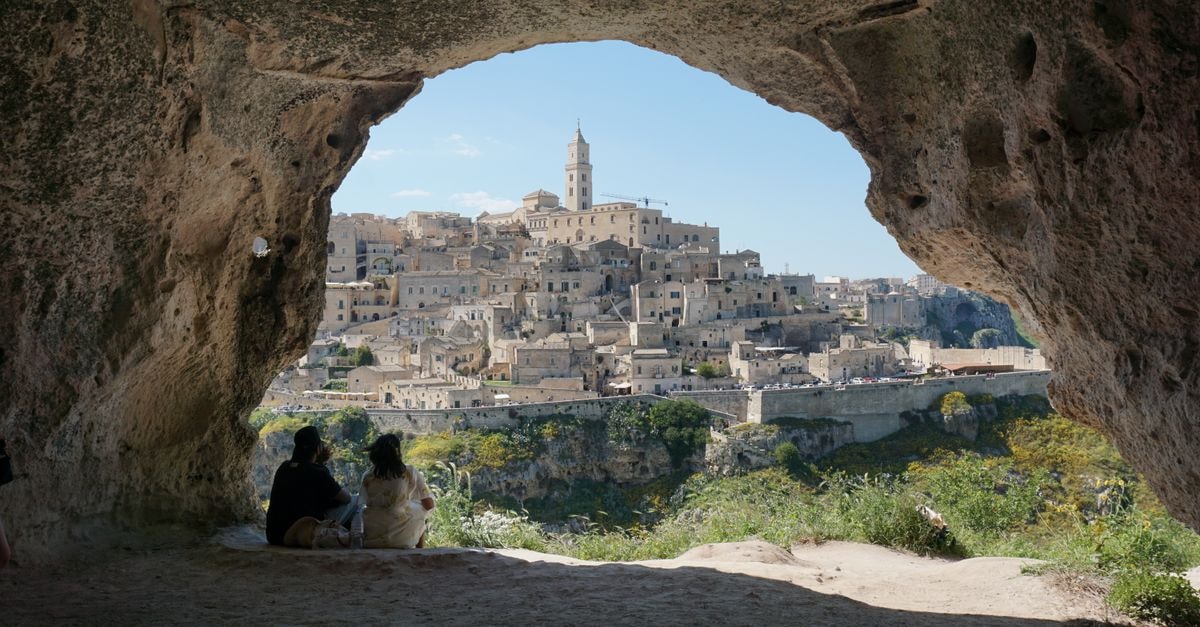
Where the town reveals itself

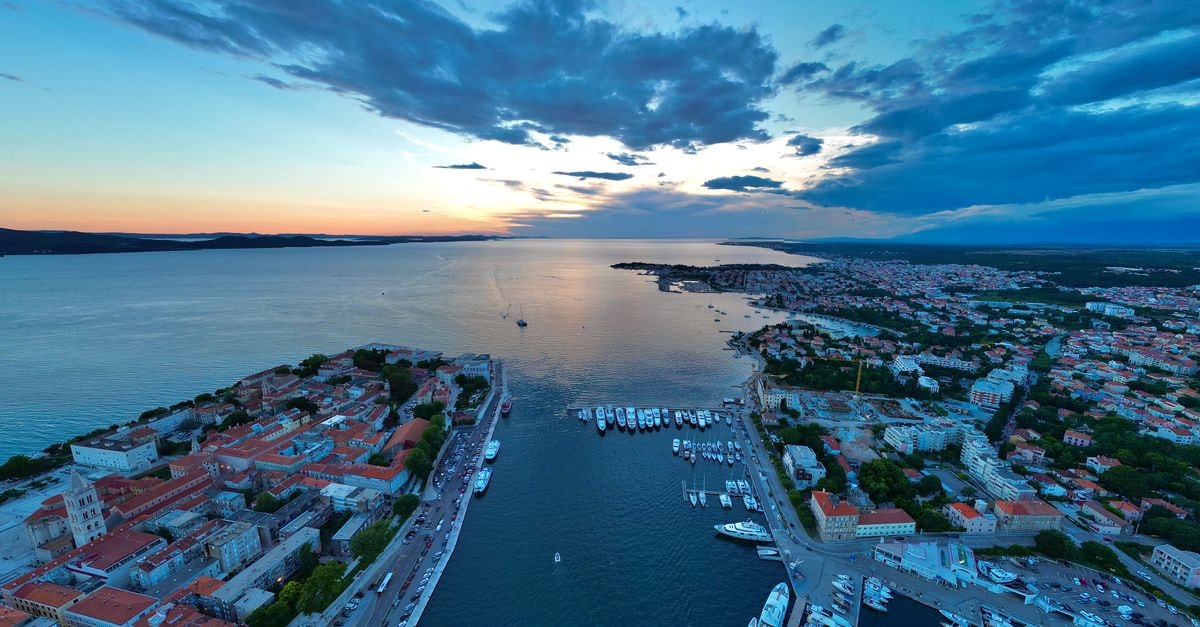
Rovinj is the kind of place that pulls you into a slower rhythm within a few steps of the harbour. The old town is genuinely compact — roughly 14,000 residents live across about a square kilometre of historic lanes and the residential, coastal stretches that fan out to the north and south. Because the scale is so small, the experience is less about ticking off a list and more about wandering until a courtyard, a balcony or a sea view stops you in your tracks.
Stepping through the 17th-century Balbi Arch feels like crossing into another era. Beyond it, the streets open into a swirl of Venetian-Gothic balconies and Renaissance portals, all set against the constant backdrop of seaside aromas drifting from open kitchen windows. It is the sort of detail-rich town where you do not need a route; you just need comfortable shoes and a willingness to let the alleys lead.
Strolling the old town
Walking is essentially the way Rovinj is experienced. The historic centre is built for leisurely strolls, with cobbled streets that reward curiosity at every turn. Couples in particular tend to find the cobbled lanes romantic — there is something about the way the light catches the pale stone and the laundry lines overhead that slows even the most purposeful visitors into a gentler pace.
The harbour-facing south side is where many visitors stop first for the postcard view: the belltower of St. Euphemia rising above the rooftops, framed by bobbing boats. From there, the old town climbs gently uphill, so expect a few short climbs as you weave between churches, small squares and tucked-away viewpoints. A single afternoon is enough to feel oriented, but the town is the sort of place that quietly invites a second or third loop on different days.
A heritage shaped by the sea
Beyond the museum, the surrounding coast and protected natural areas spread outwards from the town. Travellers interested in the green side of Istria will find the region framed around natural attractions, where walking trails, coastal lookouts and quieter green pockets complement the liveliness of the centre. The mix of historic lanes and accessible natural scenery is part of what makes Rovinj feel balanced — lively in town, calm just outside it.
Eating the way the town eats
Food in Rovinj is rooted in the sea. The local cuisine is built around seafood caught by locals who set out into the open Adriatic in batanas, and that fishing tradition still colours what arrives on the plate. To keep that knowledge alive, the Batana House Eco Museum published a cookbook that preserves the recipes the town grew up on.
Those recipes have been handed down through generations and prepared at home, in the special atmosphere of a Rovinj tavern — known locally as a spacio — and during family and group excursions. The dishes themselves are mostly made from simple ingredients and are described as quite straightforward to prepare, which is part of their charm: honest food, uncomplicated techniques, and the kind of flavours that reflect a working fishing community rather than a fine-dining concept.
A glass of local wine by the glistening sea, eaten slowly while watching the harbour, captures the everyday pleasure the town seems designed for.
Practical notes for planning
Because the old town is so compact, almost everything a visitor wants to see is within walking distance. Plan on wandering rather than driving once you arrive; the joy of Rovinj is in its walkability, not its transit links. Mornings tend to feel calmer in the lanes, while evenings shift the energy towards the harbour and the seafront.
Give yourself time for the Batana House Eco Museum if maritime heritage interests you at all — it is the cultural anchor of the town and explains much of what you see around the harbour. And leave room in your itinerary for unplanned moments: a second coffee by the water, a slow lunch in a tucked-away spacio, an extra loop through the cobbled streets when the light softens.
Factual travel conditions can change, so confirm opening hours, museum admission and any local guidance through official tourism channels before you travel. Treat the notes above as a starting frame rather than a fixed schedule — the best Rovinj days are usually the ones that bend around the town itself.
Prices, opening hours, schedules, reservation rules, and local conditions can change; verify them through official channels before departure.
Share this article
TOOLS FOR THIS PLAN
Make the Rovinj plan measurable
Choose a tool only when it answers the next question in your trip. Your values stay in the browser, and each tool offers a route back to this planning context.