A first look at Cox's Bazar
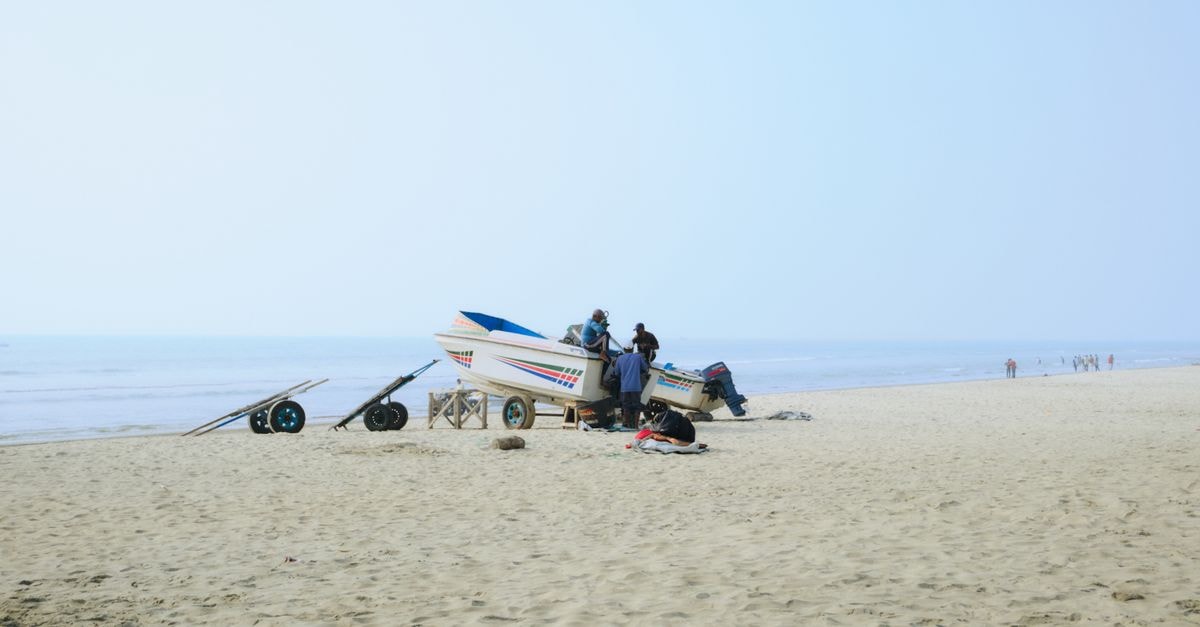
Cox's Bazar sits on the southeastern coast of Bangladesh, where the Bay of Bengal curls in a long, sandy arc and travelers come primarily for the sea, the seafood, and the unhurried pace of a coastal town. It is the kind of place where a morning can be shaped by tides and tea stalls rather than timetables, and where the appeal is as much about slowing down as it is about sightseeing. For anyone planning a visit, two questions tend to come up first: how to get here from elsewhere in Bangladesh, and what the most talked-about attractions actually look like once you arrive. This guide keeps the focus on those two practical pillars.
The remaining space below is reserved for facts that are well documented in the approved evidence. There is no attempt here to invent restaurants, rank beaches, or describe experiences the source material does not support. Where a detail would normally require a price, an opening hour, or a current condition, that detail is left out rather than guessed.
Getting around: choosing how to reach Cox's Bazar
The most useful thing to know before packing a bag is that the route from Dhaka to Cox's Bazar is exceptionally well served by Bangladesh's transport network, and all three modes of long-distance travel are genuinely worth considering. According to an overview of transport options in Bangladesh, the Dhaka–Cox's Bazar corridor is the country's most heavily equipped route, a useful starting point for travelers who like to keep their options open between booking and departure. Flights, trains, and buses are all real options rather than a hierarchy with one obvious winner, and the choice often comes down to budget, time, and appetite for a longer ride.
Travelers who prefer a faster arrival and are willing to pay more for the convenience may find that flying keeps the trip short and removes a full day of overland travel. Travelers who prefer a slower, more scenic journey and want to watch the landscape change from the delta to the coast may lean toward the train, which has become an increasingly popular way to reach the southern tip of Bangladesh. For those who prioritize budget and do not mind a longer journey, buses running on the same corridor remain a practical and well-trodden choice.
Once travelers do arrive in Cox's Bazar and decide to continue onward, the rail connection to Chittagong is documented in route guides aimed at visitors. The Cox's Bazar to Chittagong train schedule and related travel information is published as a recurring resource for visitors, and luggage storage on board is a recurring concern for anyone moving between the beach and the port city. For visitors planning to combine a beach stay with time in Chittagong, the train is worth researching in advance; for those who want to settle into Cox's Bazar without a secondary stop, it can simply be left as a future option.
A practical note: because transport schedules, fares, and seat availability on this corridor change, it is sensible to confirm the current timetable and book ahead where possible, especially during weekends and local holidays when capacity tightens. Carrying a small daypack rather than a large suitcase also makes transfers between station, hotel, and beach noticeably easier.
Attractions and planning: building a loose day around the coast
Cox's Bazar's reputation as a destination is built around a cluster of well-known coastal attractions, and several travel resources list the city's top sights as a starting point for first-time visitors. A general attractions guide for Cox's Bazar frames the experience around the most frequently visited places, an anchor for travelers who like to choose one or two priorities before they arrive and then let the day breathe around them. The most visited spots in the area are typically beach- and viewpoint-oriented, and they tend to cluster in a way that makes a single relaxed day feasible for travelers who do not want to rush.
For travelers who prefer a slow morning and a long lunch, the practical pattern is simple: choose one or two anchor attractions, leave generous buffer time for the beach itself, and resist the urge to pack in too many stops. Travelers who prefer a more active day and are happy to start early can stretch the same list to include a viewpoint or a longer stretch of coast before the afternoon heat sets in. Either way, the attractions in Cox's Bazar work best as a loose frame rather than a checklist.
Because attraction lists for Cox's Bazar vary in what they include and how they describe each site, it is worth cross-checking the most current visitor information before deciding what to prioritize. Some travelers prefer to base their plan around a single signature sight and leave the rest of the day open; others like to walk a longer stretch of the coastline in one go. Both approaches work, and the choice mostly reflects energy level rather than any hard rule about the city.
Choosing what fits the trip
The Dhaka–Cox's Bazar route is the main decision point, and the right answer depends less on the city itself and more on the kind of journey a traveler wants. Flying suits visitors with limited time or anyone who finds long bus rides draining. The train suits travelers who enjoy watching a country change outside the window and want a comfortable middle ground between speed and cost. The bus suits those who prioritize budget and are comfortable with a longer day. For the attractions themselves, a relaxed pace tends to suit Cox's Bazar better than a packed agenda, and the city's top sights are easy to combine into either a half-day or a full day depending on energy and curiosity. Travelers who plan a follow-on trip to Chittagong by rail can research the Cox's Bazar to Chittagong train in advance to keep that segment simple.
A note before you go
The transport landscape around Cox's Bazar, like the rest of Bangladesh, is active and constantly updated. Schedules, ticket prices, and seat availability change, and any specific figure quoted by a third party can shift between the time a guide is written and the time a trip is taken. The attractions that draw visitors to Cox's Bazar are well established, but individual sites can have their own access rules, opening patterns, and local fees. Before departure, it is worth checking current transport bookings and confirming the latest visitor information for any specific attraction that is central to the plan.
A short, practical question to settle before booking: which of the three modes on the Dhaka–Cox's Bazar corridor best matches both the available travel time and the kind of arrival experience you want, since all three remain realistic on this route.
Prices, opening hours, schedules, reservation rules, and local conditions can change; verify them through official channels before departure.
Share this article
TOOLS FOR THIS PLAN
Make the Cox's Bazar plan measurable
Choose a tool only when it answers the next question in your trip. Your values stay in the browser, and each tool offers a route back to this planning context.