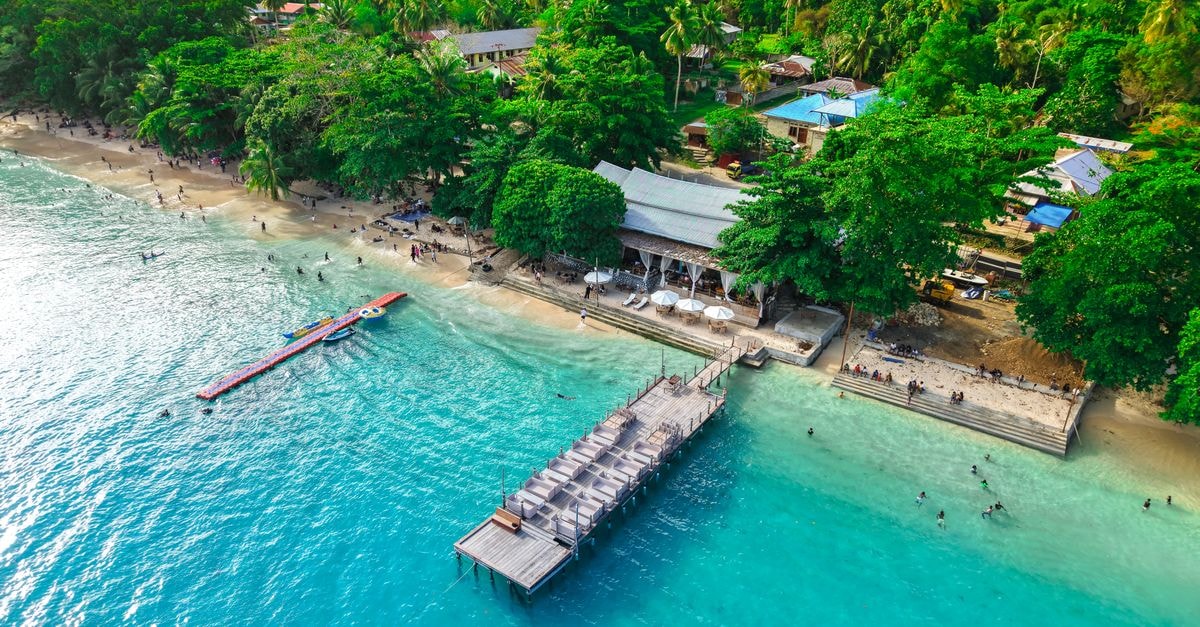
A coastal city that whispers before the reefs begin
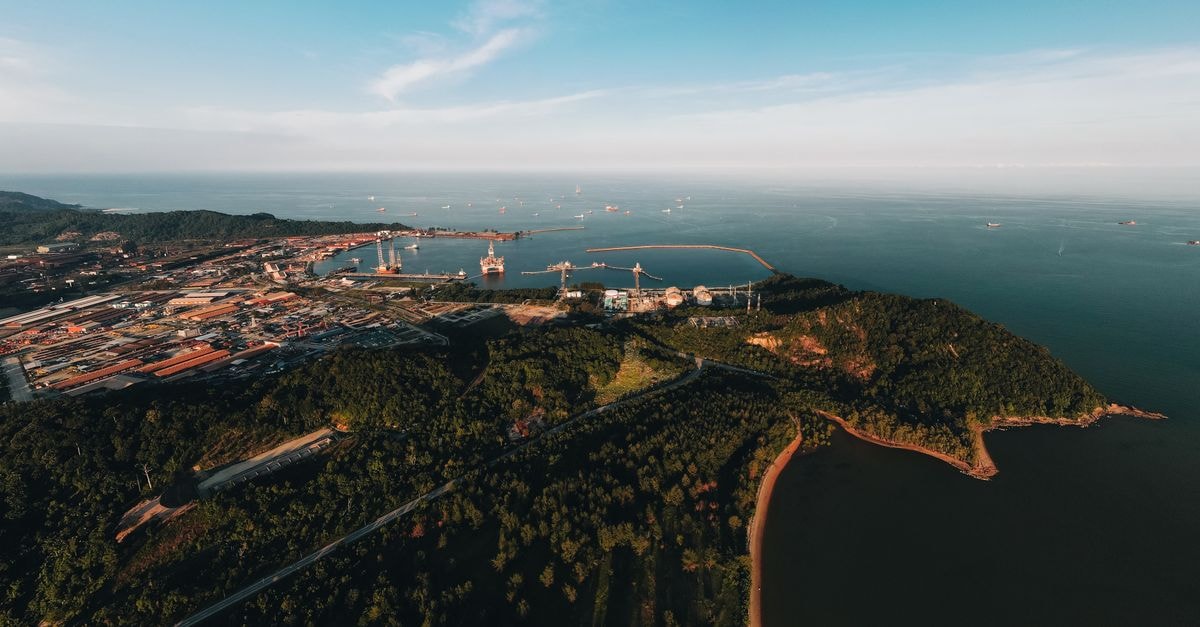
Sorong sits on the northwestern edge of Southwest Papua, a working port city where fishing vessels, ferries and dive boats share the same waterfront. The sea is rarely out of sight, and even a short stroll tends to end with a salt breeze and a horizon line scattered with small islands. Many travellers pass through Sorong quickly, treating it as a waiting lounge before ferrying onward to Raja Ampat, yet the city itself has its own quiet rhythm — market mornings, harbour activity, and a small but growing cluster of places to stay.
This guide keeps the focus on Sorong the city, not the archipelago offshore. The aim is simple: help you settle in, understand how the city is laid out, and decide whether to linger for a day or two before you head out to sea.
Weather and seasonal context
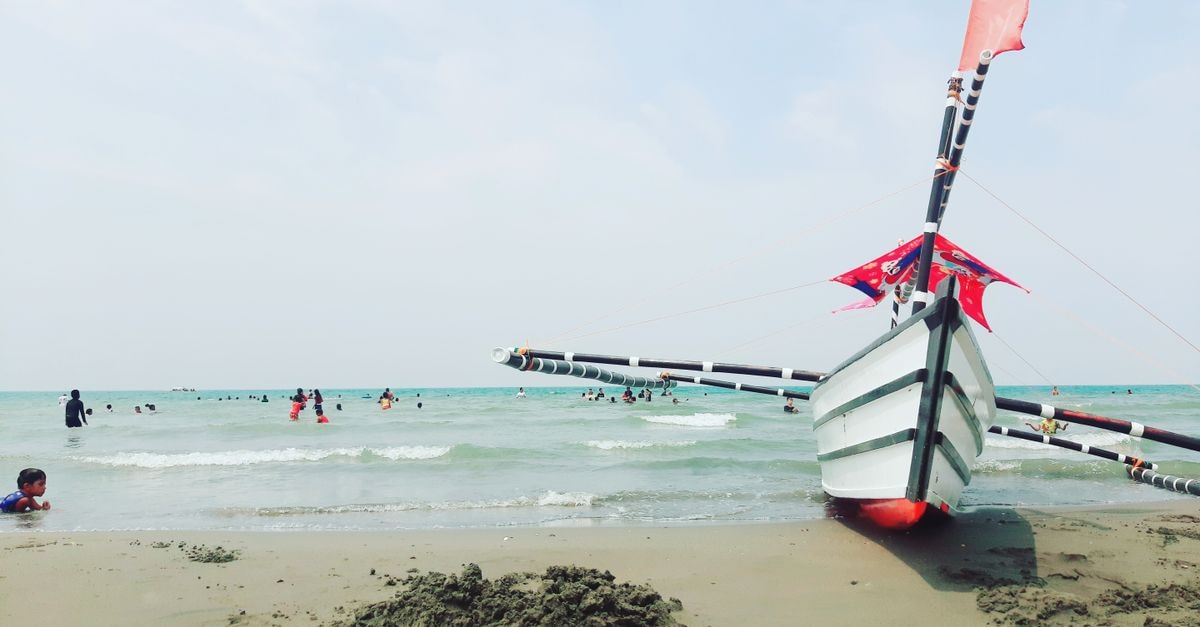
Sorong sits in a tropical coastal setting where temperatures stay warm year-round and humidity is part of daily life. Rain can arrive in short, heavy bursts rather than as a full wash of weather, so a light layer that dries quickly tends to be more useful than a heavy waterproof. Travellers who like photographing harbours and coastlines often find that the soft overcast light between showers gives the water a silvery quality, which is why photographers may prefer to keep a camera handy rather than tuck it away between plans.
If you prefer a slower pace, consider building a small buffer into each day rather than packing the schedule tight. A short afternoon pause — returning to freshen up between outings — is a comfortable way to manage the warmth without losing the day. Because exact conditions vary, checking the short-term forecast shortly before arrival is a sensible step.
Getting around
Sorong is a coastal port, so most journeys begin and end near the water. A standard travel guide structure for the city groups practical information into sections covering how to arrive, how to move through the streets, where to eat, where to sleep, and how to connect onward. That same structure works well as a mental checklist when planning time here.
Within the city itself, movement is straightforward at ground level. The harbour area, hotels, and key local landmarks tend to cluster within a compact zone, which means short rides and quick stops can replace long transfers. If you plan to head out toward the islands from Sorong, treat the city as a base to organise, rest and stock up — rather than as a place requiring a full logistical day to navigate. The Wikivoyage-style approach of separating arrival, local movement, and onward connections maps neatly onto Sorong, where the waterfront effectively splits the city into a near-harbour side and an inland side.
Attractions and planning
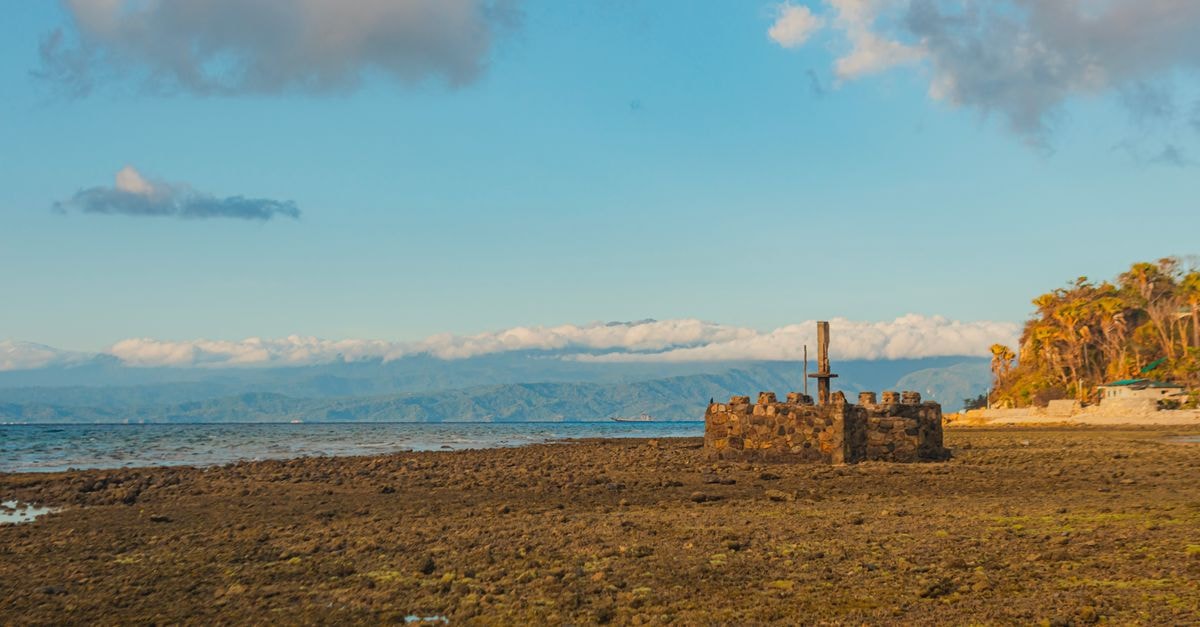
Sorong is the largest city in its Indonesian province and the departure point for Raja Ampat — the island archipelago known for some of the world's most biodiverse marine ecosystems. Even without leaving the mainland, the city offers a sense of place: a coastal viewpoint from which the surrounding islands feel close enough to touch.
One notable architectural landmark is a mosque whose design and setting give visitors a way to photograph Sorong's coast from an elevated vantage point, blending a place of worship with a striking view. Visitors should be respectful of prayer times and modest dress when entering religious sites.
For cultural texture, Pasar Sentral Remu (Remu Central Market) is often recommended as a place to soak up local life, browse stalls, and pick up souvenirs before leaving the city. Markets like this one tend to come alive in the morning, so an early start rewards visitors who want to watch the city at work rather than viewing it as a stopover between flights. Visitors who enjoy photography, people-watching, or simply observing how a coastal trading city functions may want to set aside a relaxed half-day here.
Accommodation in Sorong ranges across booking platforms, with options that suit diving-focused travellers, those interested in cultural visits, and guests seeking eco-conscious stays. Because specific room rates and availability shift frequently, it's worth checking a booking platform shortly before arrival rather than relying on out-of-date information.
Food and local context
Eating in Sorong inevitably connects to wider Indonesian food culture, where the country's enormous geographic and cultural diversity is reflected in the variety and taste of its cuisine. Markets, harbour cafés, and informal warungs near the waterfront tend to be the easiest places to start, since they cluster where visitors naturally pass through.
Indonesian culinary culture is not just about variety — it carries socio-cultural values behind the food itself, from the way a meal is shared to the importance of fresh local ingredients in coastal communities. For visitors, this often translates into meals that are communal, generous, and tied closely to the day's catch or the morning market. Travellers who are curious about regional dishes may want to ask locally for what is in season, rather than arriving with a fixed menu in mind, since coastal availability shapes what is served.
Choosing what fits your trip
Because Sorong functions primarily as a transit point to the islands offshore, the central question is how much time to give the city itself. Travellers who arrive late, depart early, or are focused on maximising time on the water may treat Sorong as an overnight base focused on rest, a market visit, and a harbour meal. Travellers who prefer a slower arrival, or who want to ease into the region rather than launching straight into boat transfers, may find value in a day or two exploring the waterfront, the mosque viewpoint, and Pasar Sentral Remu before heading onward. The right balance depends on how much buffer you want between flights, ferries and reef time.
A final note before you go
Travel conditions in Sorong — from boat schedules and harbour logistics to market openings and accommodation availability — can shift over time, so it's worth confirming key details through official channels, your hotel, or a current booking platform shortly before departure. Treat this guide as a starting framework rather than a fixed itinerary, and let the city's coastal rhythm set the pace.
Share this article
TOOLS FOR THIS PLAN
Make the Sorong plan measurable
Choose a tool only when it answers the next question in your trip. Your values stay in the browser, and each tool offers a route back to this planning context.