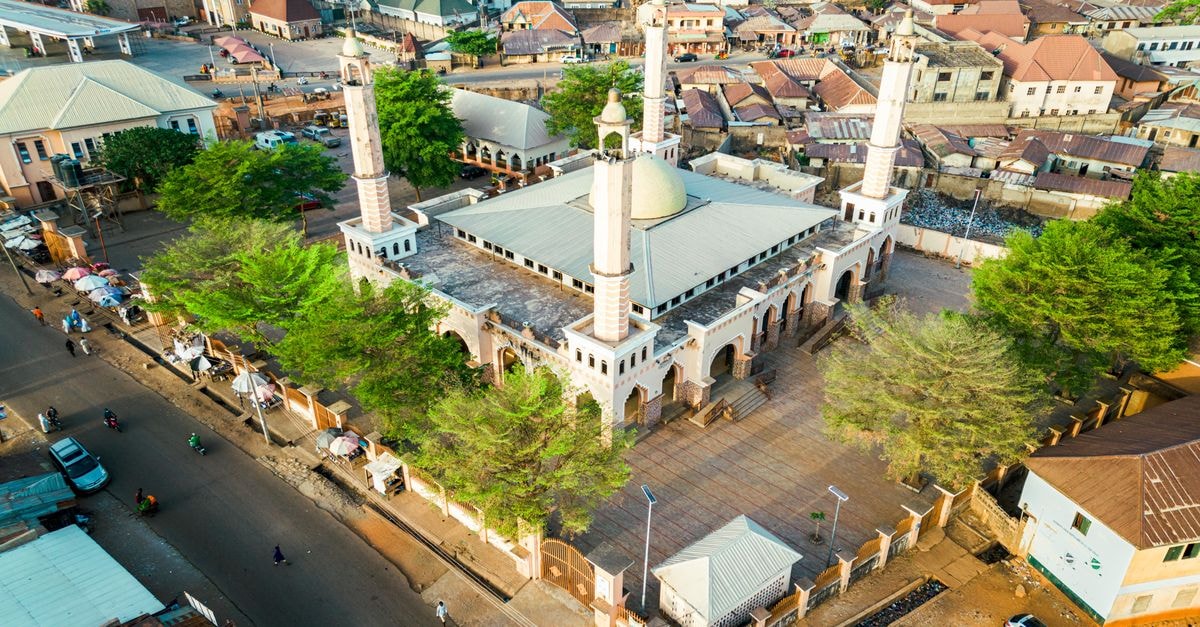
A first impression of La Perla del Norte

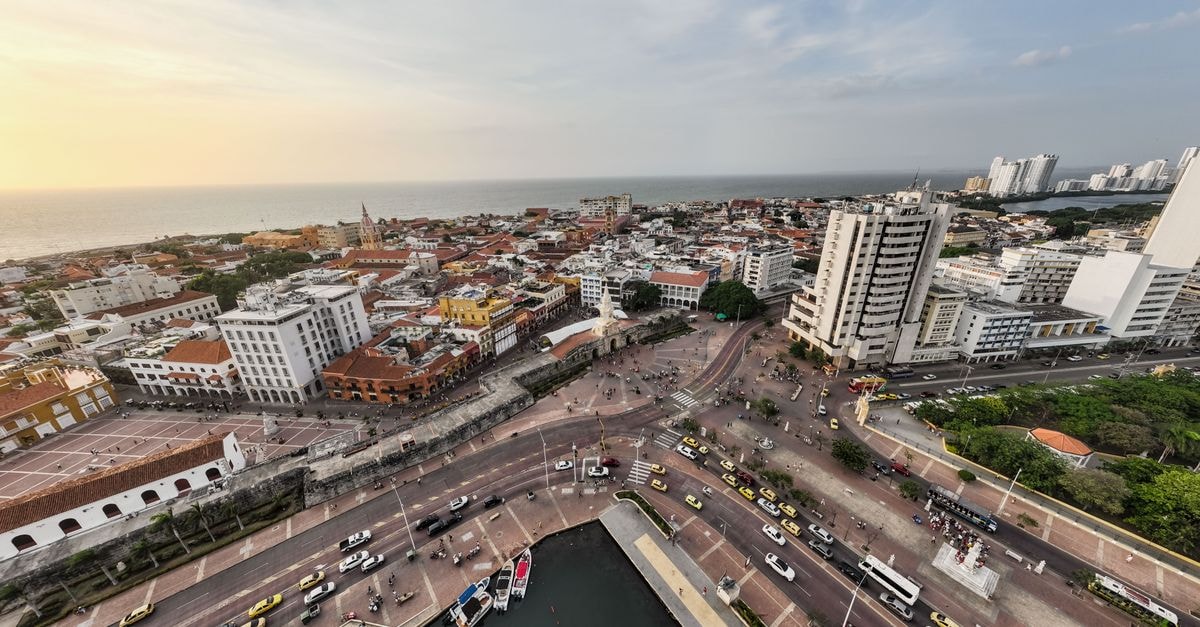
There is a particular kind of welcome that happens when you step from a bus into a city whose air already feels different from the highlands behind you. Cúcuta has that kind of arrival. Locally celebrated as "La Perla del Norte," the capital of Norte de Santander sits on the eastern cordillera of the Andes, and it wears its nickname with a kind of easy confidence. You sense the history before you read about it: this is a city whose memory is tied to the story of Colombian independence, and that sense of legacy drifts through the central plazas and the conversation at the corner cafés.
What strikes most first-time visitors is the contrast. The Andean landscape frames the city, the crosswinds move through its streets, and the leaves on the local cují and almond trees catch that breeze in a way that makes even a hot afternoon feel a little softened. Cúcuta is also positioned as Colombia's main overland border crossing with Venezuela, which gives it an unusual energy: part provincial capital, part crossroads, part living museum of a nation-building moment that happened right here. Independent travelers tend to appreciate that mix, because the city is walkable in feel even when it sprawls, and the people are proud of showing it off.
This guide keeps things evergreen and grounded, focusing on what actually shapes a stay: the climate you should plan around, the way to think about getting around, the textures of the place worth slowing down for, and a clearer sense of the wider Colombian food culture you will encounter as you eat your way through the city.
Weather and seasonal context
Cúcuta's climate is one of the first things to plan for, because it shapes the rhythm of the day. The city's weather is generally warm, with temperatures that typically oscillate between about 28 and 32 °C, which means light clothing, water, and shaded breaks should be part of any visitor's mental checklist from the moment they arrive. That warmth is consistent enough that layering for cold is rarely needed, though the Andean setting means evenings can feel slightly more comfortable than the middle of the day.
Because the city sits in the cordillera, the landscape around it has more vertical drama than the flat heat the temperature numbers might suggest. Winds move through the streets and through the trees, and that movement is part of what gives Cúcuta its character. As you plan your days, it helps to pace the middle hours gently: sightseeing in the mornings and late afternoons, and a slower midday that respects the warmth. Treat any climate detail you read elsewhere as a guide rather than a guarantee, and check a current forecast close to your travel date before you finalize your clothing and activity choices.
Getting around
Cúcuta is the capital of Norte de Santander and functions as Colombia's principal land border city with Venezuela, which means a steady flow of travelers, traders, and long-distance buses moves through it. That position shapes how visitors experience arrival: if you are coming overland, you will likely enter through transport corridors designed for that border traffic, and the city's tourist promotion office welcomes visitors with the language of hospitality you will hear repeated in many official introductions.
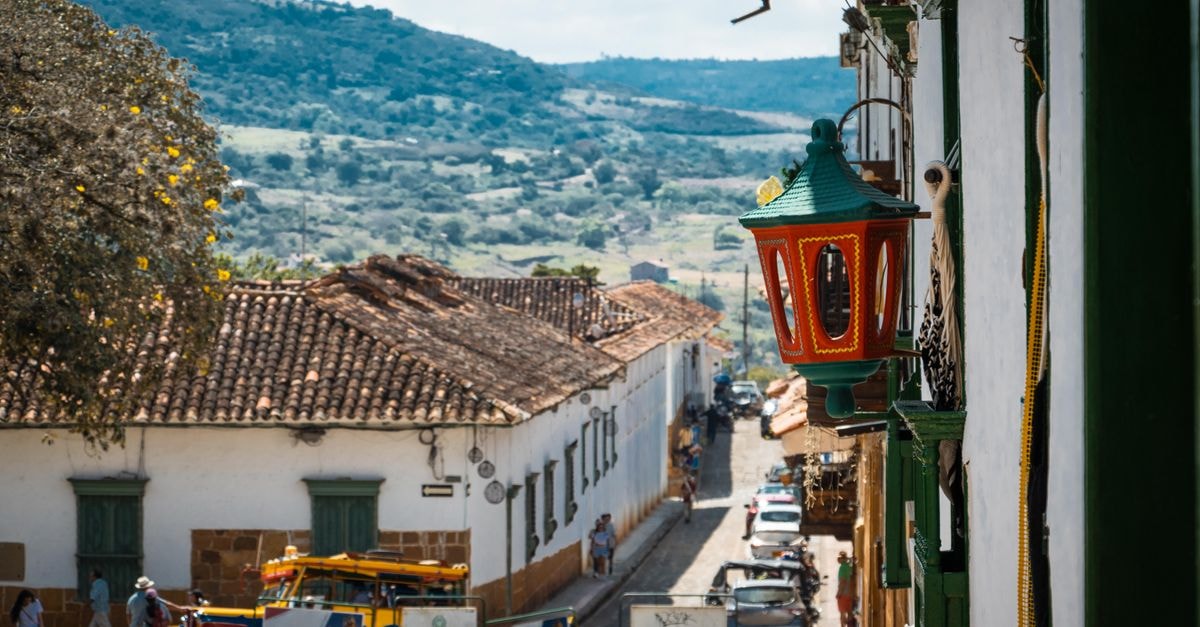
Within the city itself, the geography is forgiving. The downtown core, where much of the historical interest sits, is compact enough to cover on foot during the cooler parts of the day. The crosswinds that move through the streets offer natural relief between stops, and the tree-lined spaces give you places to pause. For longer distances, taxis and ride-hailing apps are the practical options most independent travelers rely on; arrange them through official channels and confirm any fare or route before you set off, since local norms can differ from what you may be used to at home.
If you are using Cúcuta as a base to explore the wider Norte de Santander region, treat the city as a launching point rather than a transit hub you rush through. Spend at least a full day settling in, walk the central streets, get your bearings near the historic plazas, and let the city's pace set the tone for whatever comes next.
Attractions and planning
Cúcuta rewards visitors who treat its history as a living thing rather than a list of monuments. The city's role in Colombian independence is part of its identity, and that story shows up in the architecture of the central area, in the museums and civic spaces, and in the quiet pride of the people who talk about where the nation took its first decisive steps. Allow time to wander rather than rush from one ticketed sight to another, because some of the most rewarding moments here come from the in-between spaces: a shaded bench, a small plaza, a conversation with someone who grew up here.
Nature is never far away either. The Andean setting means the surrounding landscape offers a change of scenery from the warmer city floor, and the breeze that moves through the cují and almond trees is part of what makes the urban experience feel less closed-in than the temperature might suggest. Think of your sightseeing as a balance: built heritage in the mornings, a slower midday, and an evening return to the central streets when the light softens and the day-trippers have moved on.
Because specific opening hours, ticket prices, and reservation requirements for individual sites can change without notice, treat any detail you read online as a starting point rather than a final answer. Verify directly with the venue, your hotel, or the local tourism office before you commit to a particular timing. That small step saves a lot of frustration in any unfamiliar city, and Cúcuta is no exception.
Food and local context
Cúcuta sits inside a much wider Colombian food culture, and it helps to arrive with a sense of that broader picture before you start ordering. Across Colombia, the kitchen is shaped by geography: mountain, coast, and valley each contribute their own ingredients, and meals tend to be generous, social, and unhurried. Visitors often notice that dining is treated as a moment of connection rather than a quick refuel, and adjusting to that rhythm is part of the pleasure of traveling here.
One standout of the wider Colombian repertoire is Bandeja Paisa, often described as the mountain plate of the country, a substantial dish built around beans, rice, meat, plantain, egg, and avocado. It is the kind of meal that explains itself as you eat it, hearty and grounding after a long day of walking. Beyond that signature, the country's table stretches from coastal seafood traditions to Andean soups and street-food staples that turn up in plazas and markets in cities like Cúcuta. As you eat your way through the city, expect meals that feel generous in portion and unhurried in pace, and treat any specific restaurant recommendation as something to confirm on the ground rather than rely on from afar.
Because Cúcuta is a border city, you may also notice Venezuelan influences in some of what is served and sold, which adds another layer to the everyday food scene. Lean into that variety rather than searching for a single canonical experience. The best meals here are often the ones you stumble into rather than the ones you plan.
A few final notes for travelers
A little preparation goes a long way in Cúcuta. Carry water, plan your heavier sightseeing for the cooler parts of the day, and give yourself margin to slow down. The city is at its best when you let it set the tempo rather than racing through a checklist. Keep small bills handy, confirm transport details before you set off, and treat anything you read in advance about hours, prices, or availability as a starting point that deserves a final check before you act on it.
Factual travel conditions can change, and official channels such as the local tourism office and your accommodation should be consulted for the most current information before and during your trip. The numbers, norms, and details in this guide are meant to help you arrive prepared, not to substitute for up-to-date local advice once you are on the ground.
Share this article
TOOLS FOR THIS PLAN
Make the Cúcuta plan measurable
Choose a tool only when it answers the next question in your trip. Your values stay in the browser, and each tool offers a route back to this planning context.