A city dressed in bougainvillea and sea breeze

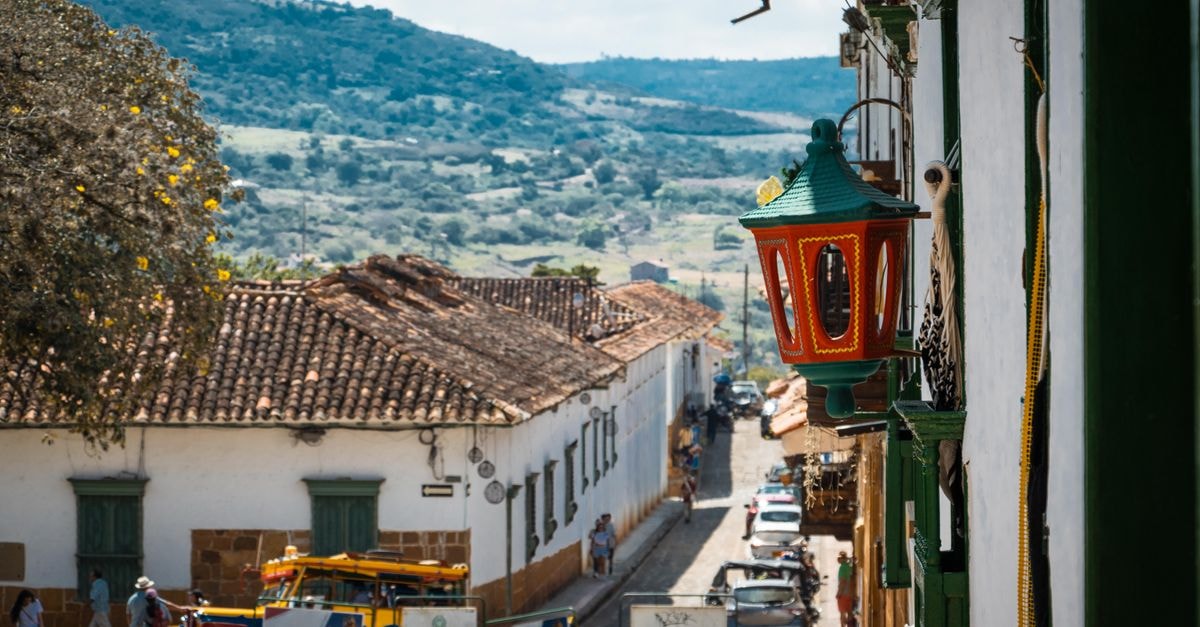
Cartagena has a way of pulling visitors straight into its rhythm before they have even checked into a hotel. The historic center is a maze of super-colorful colonial streets, bougainvillea-draped balconies, and lively plazas where locals gather under the shade of old trees. There is a Caribbean warmth to the place that feels centuries old, a sense that the city's charm is matched only by the depth of its history, and that every sun-warmed stone near the waterfront has been quietly collecting stories for generations. This travel guide is written for travelers who want to slow down inside that story, not race through it.
Weather and the Caribbean pace
Cartagena sits firmly in the tropics, so the climate is a steady companion rather than a planning problem. Temperatures rarely drift far from warm, and the days tend to alternate between bright, still hours and the occasional passing shower that clears the air before evening arrives. With that kind of weather, the city tends to organize itself around golden-hour moments rather than around a clock.
The walk along the top of the city walls at sunset, where the Baluarte de Santo Domingo section gives the best light and the best views over the Caribbean, is the classic evening experience. Bring a little patience: the light shifts quickly, the breeze picks up, and the plaza below begins to hum with music. Once night falls, the historic core hosts regular DJ sets from local artists spinning cumbia, hip-hop, and disco, which is a reminder that Caribbean warmth here is just as much about sound and tempo as it is about temperature. Pacing the day gently, with a long midday pause in a shaded courtyard or near a fan, usually pays off by sunset.
Getting around on foot and by curiosity
The good news for first-time visitors is that the most rewarding parts of Cartagena do not require elaborate logistics. The historic core is compact enough that a leisurely walk can cover several blocks in an unhurried afternoon, and the streets themselves, with their cheerful facades, hanging flowers, and slow-moving locals, are part of the experience rather than a means to it. Because the layout is dense and the plazas tend to flow into one another, it is easy to trade a planned route for a more interesting one as the evening unfolds.
For longer distances, taxis and ride-hailing services are the simplest ways to bridge the gap between the old town and surrounding neighborhoods. Walking remains the most rewarding approach inside the walls; outside them, the city's energy feels more residential and modern, and a quick ride can return you to the colonial center in minutes.
Attractions and the planning instinct
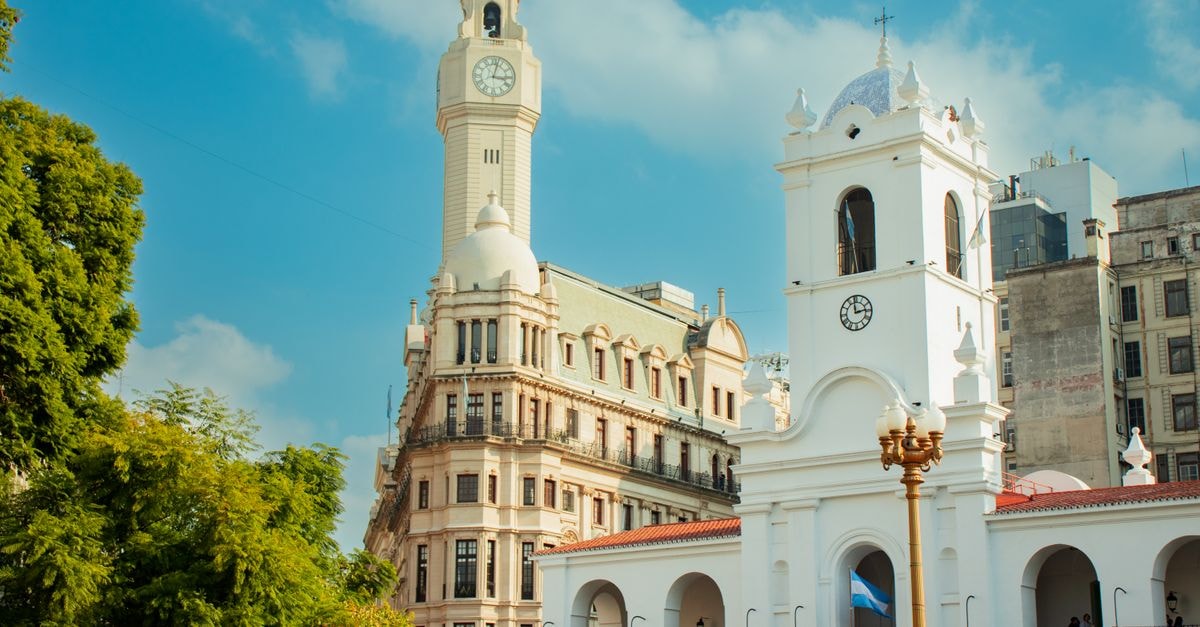
The Walled City is the gravitational center for visitors, recognized for its ample dining options, and you can make a stop by the Clock Tower and Cartagena Cathedral while in the area. Plaza de Bolívar, the main square and once the civic heart of the colonial city, still anchors that wandering loop. Today the plaza bears the name and statue of the independence leader, and the surrounding buildings include some of the most layered landmarks in town.
One of the most arresting stops on any walking route is the Palace of the Inquisition on Plaza de Bolívar, a 1770s baroque mansion that housed the Tribunal de la Inquisición from its 1610 establishment until Colombian independence in 1811. It was one of only three Holy Office tribunals in the Spanish Americas, alongside Mexico City and Lima, and it now stands as one of the most complete museums of colonial-era legal and religious practice anywhere in the region. That kind of detail is worth knowing before stepping inside: it reframes the building from a pretty facade into a deeply specific piece of hemispheric history, and it tends to change how the visit unfolds.
The city walls themselves are worth treating almost as their own attraction, a slow circuit rather than a single destination. The walls offer shifting views over rooftops, plazas, and harbor that change dramatically with the angle of the sun, and they tie the historic landmarks together almost without effort.
Food and the wider Colombian table
Colombian food culture is best understood as a conversation with geography: coast, mountains, and plains each add their own colors to the country's kitchen, and Cartagena's tables are touched by all of them. While in the city, visitors will encounter dishes shaped by coastal ingredients, Andean harvests, and a long Spanish inheritance, often side by side on the same menu. Treating meals as part of the broader Colombian culinary story, rather than as a single local checklist, tends to bring the most rewarding eating in the city.
Colombia's dining customs also reward a slow approach. Lunches are traditionally generous social occasions rather than quick refueling stops, and many restaurants settle into a relaxed pace that reflects the warm climate. Evenings tend to lean toward lighter, shareable plates paired with conversation, and meals often arrive with the small pleasures that locals take for granted: fresh fruit, fresh juice, and the unhurried passage of time.
For travelers, the easiest frame is this: come to the table curious, expect variety, and let the rhythm of the room set the tempo of the meal.
Verifying before you go
Factual travel conditions can change, and official channels should be checked before departure for the most current details on opening hours, ticket information, and transport options. Treat any guidebook, including this one, as a starting point for your own planning rather than a final word. Where a detail matters to your trip, confirm it close to your travel date and lean on local sources once you are on the ground.
Share this article
TOOLS FOR THIS PLAN
Make the Cartagena plan measurable
Choose a tool only when it answers the next question in your trip. Your values stay in the browser, and each tool offers a route back to this planning context.