A first impression of Cuito

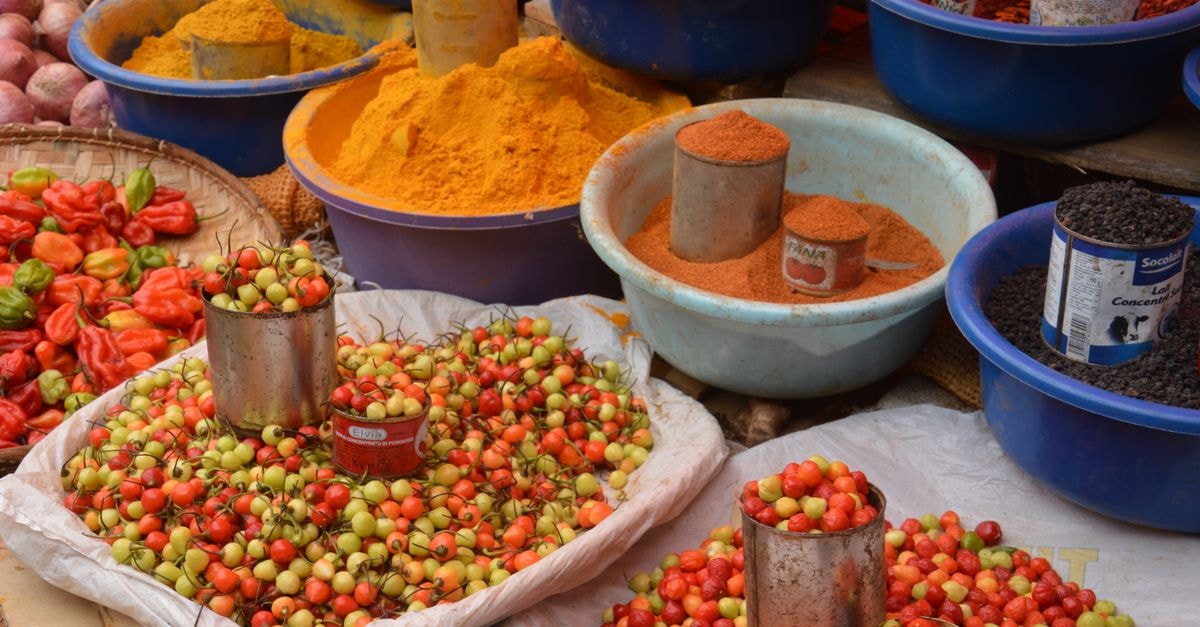
Cuito sits quietly as the capital of Angola's Bíe Province, a highland city whose pace often feels unhurried compared with the coastal bustle of Luanda. For independent travellers who enjoy places where daily life is the main attraction rather than a checklist of headline sights, the city offers a chance to settle in, observe, and let conversations shape the day. Streets radiate outward from a busy centre, and the central market is repeatedly described as the heartbeat of local commerce and culture, the kind of place where a visitor can spend a whole morning simply absorbing how Angolans shop, greet each other, and move through their week.
This guide leans into that unhurried spirit. It is built around a small set of confirmed facts rather than assumptions, so expectations stay realistic and grounded. What it offers is a frame for thinking about Cuito: where the city's commercial energy concentrates, and how Angola's broader culinary heritage can shape what ends up on a plate once you sit down to eat.
Weather and seasonal context
A useful habit is to anchor the day's main outdoor activity to times of day that feel comfortable, leaving warmer stretches for slower pursuits such as a long lunch, a shaded café stop, or browsing inside the central market. If you prefer more energetic walking, consider shorter loops punctuated by rest stops rather than a single extended route. Because the evidence does not pin down a precise climate pattern, these are practical suggestions rather than prescriptions tied to a verified weather fact.
It is also worth remembering that the central market itself plays a role in how the day feels. Its bustling atmosphere generates shade, sound, and a steady flow of people that can make a warm afternoon feel more vibrant than oppressive. Visitors who enjoy observing commerce and food culture in motion may find the market one of the more comfortable places to linger during the warmer hours, especially if outdoor walking is not appealing that day.
Food and local context
Eating in Cuito connects directly to Angola's wider culinary identity, and two threads run through the country's food culture that visitors are likely to encounter. The first is a national reliance on funge, a manioc-based flour preparation that functions much like a soft, neutral companion to richer stews and sauces. Funge is not a Cuito-specific dish, but it is so embedded in Angolan cooking that it is worth knowing about before sitting down to a meal, because it shapes how a plate is eaten and how satisfying a simple lunch can be.
The second thread is the country's tradition of slow-cooked stews built on palm oil, aromatics, and vegetables. A widely recognised national example is muamba de galinha, a chicken stew whose colour is often compared to molten brick thanks to the palm oil that gives it both richness and a distinctive hue. The dish is flavoured with chilli and okra, and the okra's natural texture stretches in strings that diners come to expect as part of the experience. While this is a nationwide Angolan dish rather than a Cuito-specific plate, visitors in the city are likely to find it on menus that reflect national cooking traditions.
For travellers who enjoy food as cultural context rather than as a checklist of dishes, the practical takeaway is straightforward. Approach meals with the understanding that funge will often appear alongside a main stew, and that stews like muamba de galinha are typically richer, oilier, and more deeply flavoured than a quick European-style lunch. Pace yourself, eat slowly, and treat the meal as part of the day's experience rather than a refuelling stop. Travellers who prefer lighter fare may want to balance heavier stew-based meals with simpler options such as grilled fish or chicken when available, and to keep hydrated throughout the day, especially in warmer stretches.
Because the evidence here speaks to Angola as a whole rather than to specific Cuito restaurants or markets, it makes sense to treat any culinary discovery as something to be explored on the ground once you arrive. Asking locally about where a particular stew is prepared well, or where funge is served fresh, is often more rewarding than relying on a fixed shortlist, and it tends to lead to conversations that deepen the rest of the trip as well.
How to shape your days
A few small, evidence-bound choices can help align the trip with personal preferences without overpromising. Travellers who enjoy social, high-energy spaces may want to anchor a half-day around the central market, since it is repeatedly described as the heart of local commerce and culture, and markets of this kind tend to reveal more of a city than any single monument. Visitors who prefer quieter routines may consider starting the day before the market reaches its busiest point and returning later in the afternoon, when foot traffic often settles and browsing becomes more relaxed.
For those who value culinary immersion, it may suit the trip to plan meals as small events rather than quick stops, especially since Angolan stews and funge-based dishes reward unhurried eating. If you are sensitive to very rich or oily food, consider alternating heavier stews with simpler grilled options where available, and treat any single dish as a sample rather than a commitment. For visitors who find warm midday hours tiring, pairing the morning market visit with a long, shaded lunch and a restful afternoon tends to match a more relaxed daily rhythm.
A useful habit, given how little of the above can be confirmed at distance, is to keep the first day light and exploratory. Let the central market's energy set the tone, ask about local food traditions, and adjust the rest of the stay based on what feels right once you have walked the streets yourself.
Before you go
Cuito is best approached with a flexible mindset rather than a fixed schedule. The central market is a reliable anchor, and Angola's wider food culture offers a satisfying culinary frame once meals begin. Because specific prices, opening hours, and service availability are not part of the evidence available here, it is wise to verify practical details locally or through official channels closer to travel. Currency rates, transport schedules, and conditions on the ground can shift, and a short confirmation before each outing is often the difference between a smooth day and a frustrating one. Travel facts in any guide can change; check official sources before departure for the most current information.
Share this article
TOOLS FOR THIS PLAN
Make the Cuito plan measurable
Choose a tool only when it answers the next question in your trip. Your values stay in the browser, and each tool offers a route back to this planning context.