A First Look at Da Lat

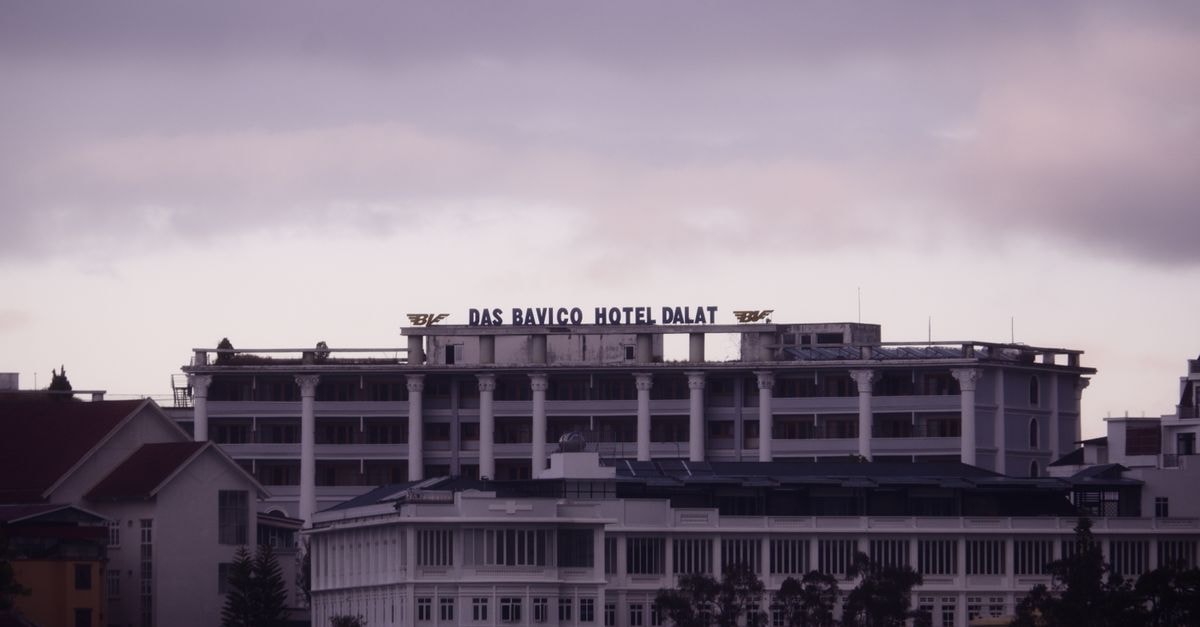
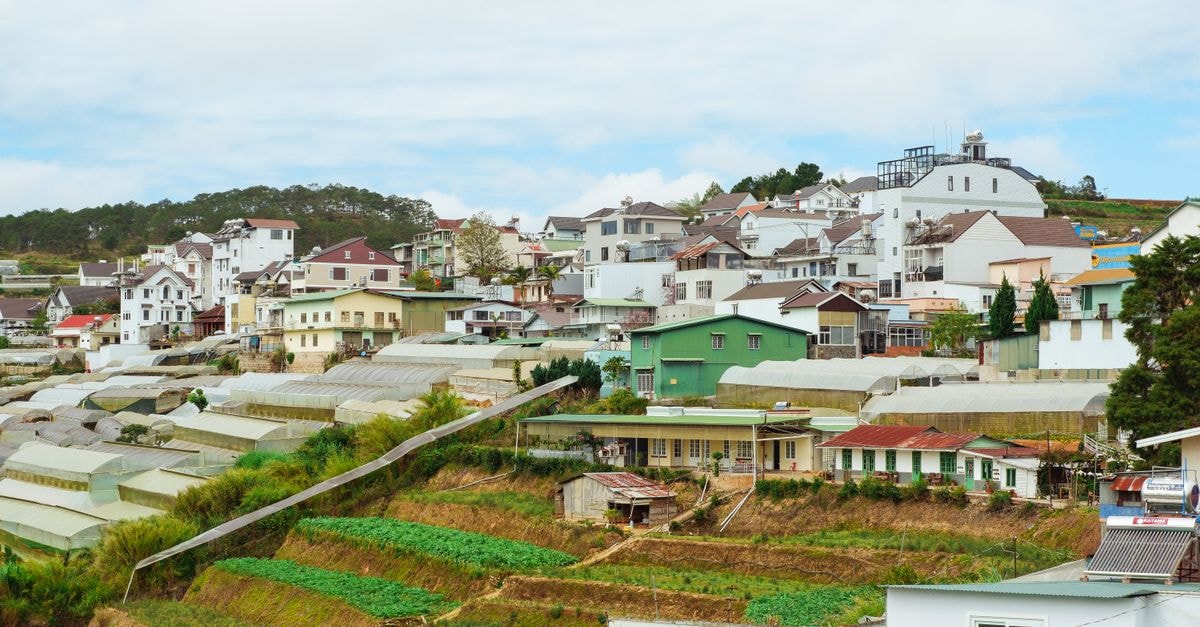
There is a particular kind of quiet that settles over the highland town of Da Lat, the kind that pulls travelers off the usual Vietnamese itinerary and into a slower rhythm. Tucked into the slopes of Lam Dong, Da Lat sits at an elevation that changes everything from the air on your skin to the produce on your plate. The town reads as a soft pause in a country known for its energy: pine-scented paths, gardens spilling color across the hillsides, and a café culture that takes its beans very seriously. This guide keeps the focus tight on what Da Lat is genuinely known for, using only what is anchored to the city itself.
Attractions and Planning
Da Lat rewards travelers who treat it like an adventure base rather than a checklist of sights. The terrain around the town invites long mornings outside, and the cool elevation makes even a slow hike feel comfortable rather than draining. One useful framing is to imagine your days built around movement: a forest walk before lunch, a quiet café in the afternoon, and a sunset that earns its title.
The appeal is wide enough to suit different travel styles. Adventurous visitors find their footing on trails, bikes, or paths that lead to a waterfall, with the surrounding hills doing the visual heavy lifting. Slower travelers can lean into the town's walking-friendly streets and gardens, choosing a route that ties together a few of the area's calmer corners. In both cases, the key is leaving room for the weather to dictate your pace: when the air shifts and clouds roll in, a warm drink and a window seat start to feel like the day's main attraction.
A practical note: Da Lat's highland location means layers matter more than you might expect in Vietnam. A light jacket or sweater turns an evening stroll from bracing into pleasant, and it earns its keep on early-morning excursions as well.
Coffee Culture, the Local Way
Coffee is not a side note in Da Lat; it is one of the city's defining textures. The slopes around the town grow some of Vietnam's most respected beans, and the local café scene reflects that heritage with intention. Travelers who treat coffee as a small ritual rather than a quick caffeine stop get the most out of a visit.
The most rewarding approach is unhurried. Settle into a café, order whatever the house recommends, and give yourself the space to taste the difference that altitude makes. The same bean that grows a few hundred meters lower often reads as a different drink entirely here. Locals tend to drink coffee slowly, often over conversation, and matching that tempo is part of the experience rather than a cultural requirement.
Because Da Lat's coffee reputation is so closely tied to its geography, the town attracts roasters, small producers, and cafés that take their sourcing seriously. Travelers interested in the journey from farm to cup can use Da Lat as a base to explore that story without needing a rigid schedule. The best sessions tend to be the ones you do not plan in advance.
Food and Local Context
Da Lat sits inside the province of Lam Dong, and the food scene reflects what the highland climate produces well: fresh vegetables, herbs, and the cooler-weather produce that does not thrive elsewhere in Vietnam. Travelers used to the steamy lowlands will notice the difference immediately, both in the markets and on the plate.
Lam Dong is broadly characterized as a culinary paradise where fresh highland produce, traditional Vietnamese recipes, and Da Lat's unique specialties come together. That framing matters because it sets expectations: meals here are likely to feel lighter, greener, and more vegetable-forward than what you might find in coastal or lowland cities. Dishes built around what was picked that morning tend to be the ones worth seeking out.
The rhythm of eating in the highland is also worth noting. The crisp, cool air of the high plateaus directly shapes the rhythm of the table, encouraging longer, warmer meals and a slower transition from dish to dish. Soups, broths, and gently cooked preparations feel especially welcome after a day outside, and they tend to appear more often on local menus than heavier street-grill specialties.
Across Vietnam, dining is a social anchor rather than a private refuel, and that wider context is something visitors will naturally encounter while in Da Lat. Meals are commonly shared, conversation flows across the table, and it is normal to linger. Travelers who lean into that tempo, rather than treating each restaurant as a stop on a route, tend to remember Da Lat's food more vividly.
How to Slow Down Here
Da Lat is the kind of place where two days can feel like a week if you let them. Because the town lends itself to walking, biking, and unhurried exploration, the most useful planning mindset is to leave gaps in your day for the things that do not appear on any itinerary: a chat with a café owner, a longer-than-planned walk back to your guesthouse, an unplanned pause at a viewpoint.
Travelers building a trip around the broader region should treat Da Lat as a base for the highland experience rather than a transit stop. The combination of adventure, coffee, and elevation-driven food means the town holds its own without needing to be paired with anything else to feel complete.
A Note on Factual Travel Conditions
Travel conditions, opening hours, transport schedules, prices, and availability change over time, and this guide is built to remain useful regardless of season. Before booking, traveling, or relying on any practical detail, check current information through official tourism channels and local sources. Currency figures, where mentioned in future updates, should be treated as reference points only; live exchange rates move and should be confirmed before any meaningful spend. Treat this guide as a starting framework, then verify the specifics that affect your trip.
Prices, opening hours, schedules, reservation rules, and local conditions can change; verify them through official channels before departure.
Share this article
TOOLS FOR THIS PLAN
Make the Da Lat plan measurable
Choose a tool only when it answers the next question in your trip. Your values stay in the browser, and each tool offers a route back to this planning context.