A first look at Chiang Mai

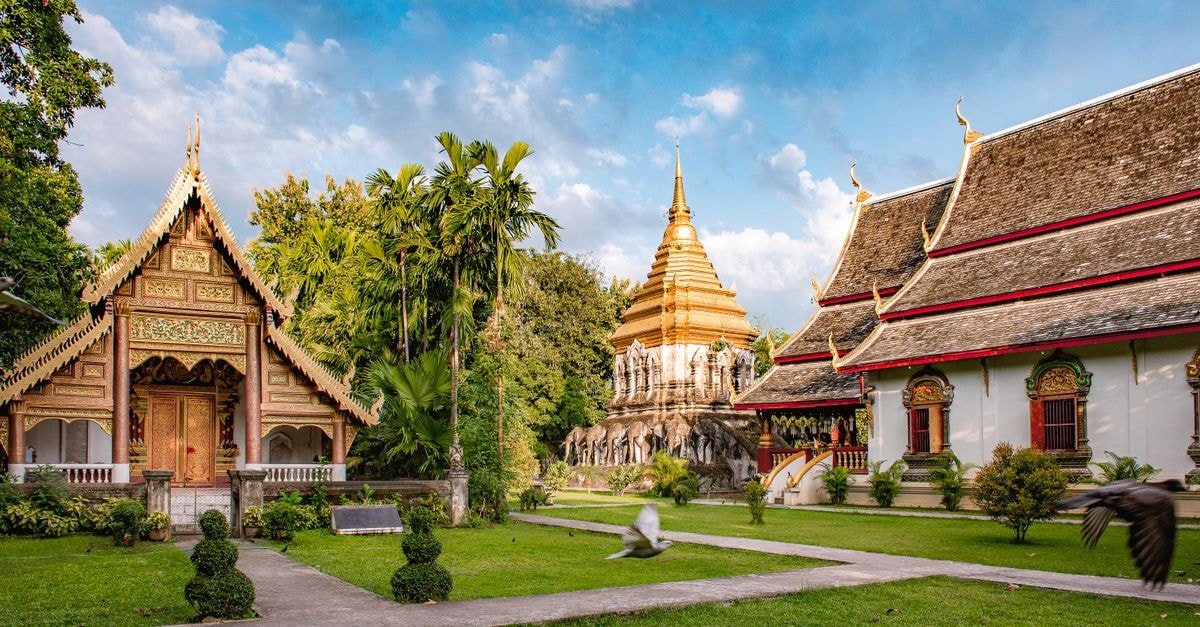
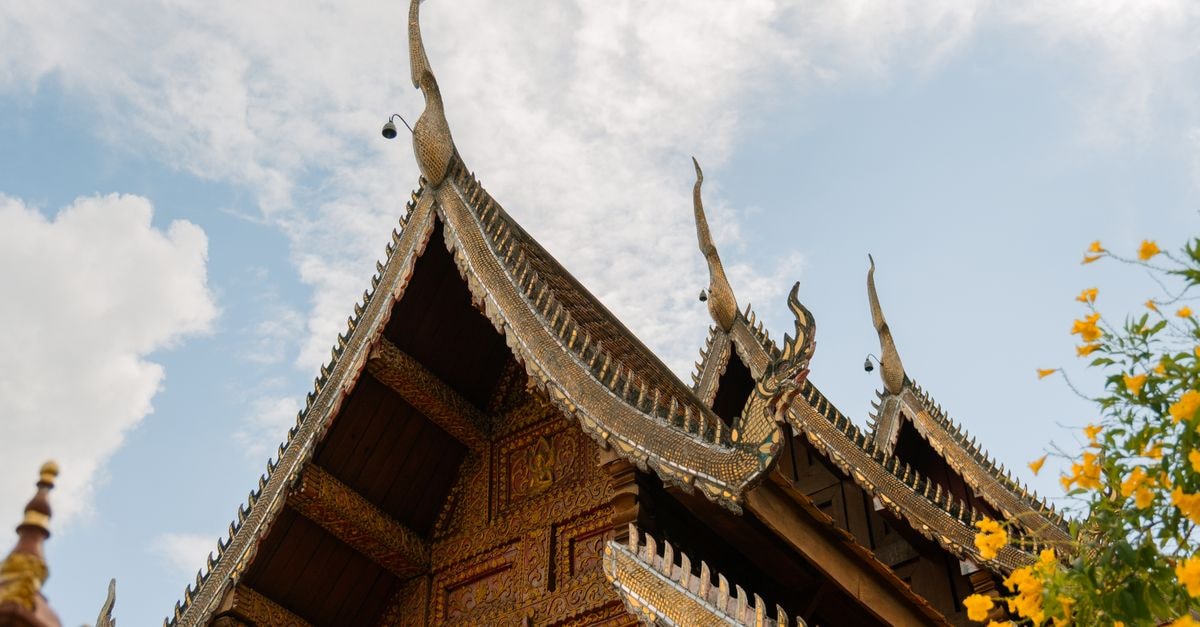
Chiang Mai has a gentler pulse than Thailand's capital, with temple spires rising above a leafy old town and a creative streak that runs from independent coffee bars to evening street food. The city feels layered: a historic core rooted in Lanna heritage, a university district with leafy walking paths, and a market scene that comes alive after sunset. It is a place where visitors can spend a morning on a quiet cultural high and still have energy for a long, snack-filled evening.
Attractions and planning
For a slower pace inside the city itself, Nimmanhaemin is the neighborhood most associated with Chiang Mai's café scene. The area has built a reputation as a place to drift between specialty coffee shops, with hidden cafés tucked down sois and along the main road. Bonus breathing room comes from Chiang Mai University Lakes & Gardens, which sit close to Nimmanhaemin and offer a flat, green loop that works well as a midday reset between coffee stops and temple visits. The combination is an easy, low-pressure day: a long brunch, a quiet walk around the lake, and an unhurried return to the cafés when the afternoon heat eases.
The practical shape of a Chiang Mai visit tends to fall into two halves: an inward-facing day or two built around temples, walks, and café hopping, and an outward-facing half-day or full day built around Doi Suthep and the surrounding mountain scenery. Because the temple is so well signposted and so often offered as a package, you do not need to over-plan it; the harder decision is usually whether to go independently or with a guided visit that bundles nearby cultural stops.
Food and local context
Chiang Mai greets your palate with smoke before you even see the grill, and the city's food scene is one of its strongest reasons to linger. Northern Thailand's cuisine is shaped by the wider heritage of the region, with an array of bold flavors and distinctive dishes that reward visitors who treat meals as part of the sightseeing rather than a break from it. Compared with Bangkok, Chiang Mai's flavors are often described as a nightly migration: tastes drifting south from the Shan hills and east from Yunnan, layered over local Lanna foundations. The result is a kitchen that feels both rooted and well-traveled, with grilled meats, herbal broths, and northern-style sausages showing up repeatedly on simple menus and market stalls.
Markets are where most visitors actually meet this food culture. The Chiang Mai Night Bazaar and the Sunday Walking Street Market are two well-known places to start; both turn eating into a wandering activity, with skewers, northern snacks, and sweet treats bought standing up and eaten on the move. The Night Bazaar tends to read as a permanent fixture of the city's evening rhythm, while the Sunday Walking Street has the feel of a community event that temporarily takes over a stretch of the old town. Either one is a friendly introduction to how the city eats after dark.
Cafés are the daytime counterpoint to that evening energy. In Nimmanhaemin and its side streets, independent shops blend specialty coffee with the kind of calm, design-led interiors that invite a long sit. For travelers who build a day around walking the university lakes and gardens, café stops slot in naturally at the start or end of the loop. It is a useful rhythm to remember: temples and mountains for the cultural mood, lakes and cafés for the slow-afternoon mood, and night markets for the social, full-flavored close of the day.
Verification before you go
Factual travel conditions such as transport options, market schedules, and entry arrangements can change. Treat this guide as a starting point for your own planning rather than a live confirmation, and check official channels and current local sources closer to your departure before booking transport, tours, or accommodation.
Share this article
TOOLS FOR THIS PLAN
Make the Chiang Mai plan measurable
Choose a tool only when it answers the next question in your trip. Your values stay in the browser, and each tool offers a route back to this planning context.