An unhurried canton capital at the foot of the Jura

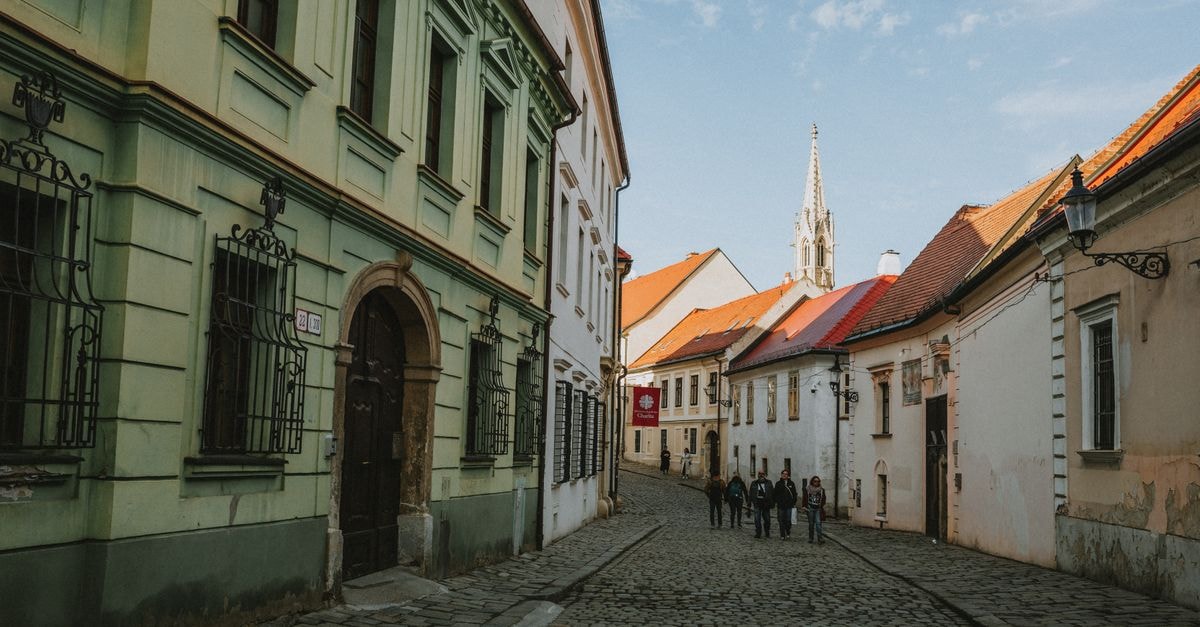
Delémont is Switzerland's youngest cantonal capital, and it wears that title lightly. Home to around 12,000 inhabitants, it has the feel of a village set inside the convenience of a small town, with centuries-old façades and cobbled lanes that reward the kind of traveller who prefers wandering over checking off a list.
The setting at the foot of the Jura mountains gives the town a distinctly outdoors feel, even before you lace up a pair of walking shoes. If your idea of a good trip leans towards clean air, low-rise streetscapes and a town where locals still nod hello, Delémont is the sort of place that quietly delivers.
Weather and seasonal context
Delémont sits in a valley framed by the Jura range, which tends to shape how the day feels underfoot. Because Delémont sits in a Jura valley setting, conditions can shift more quickly than in larger lowland Swiss cities, so layering tends to serve travellers better than betting on a single outfit for the day.
The town is generally described as very safe, with low crime and the typical Swiss sense of cleanliness. Tourist scams are rare, which makes it an easy destination for independent travellers who prefer to plan their own days rather than rely on a guide.
If you prefer warmer, longer evenings for outdoor exploration, late spring through early autumn tends to be the most generous window for cycling and walking outings, while winter draws visitors who enjoy quieter streets and a more hushed pace.
Getting around on foot and by bike
Delémont's old town is best understood on foot. Its cobbled streets and centuries-old façades invite slow discovery, and the compact centre means most of the sights and cafés sit within a short walk of each other. Travellers who enjoy tracing a town on a map rather than racing between landmarks may find this scale especially comfortable.
The town is also widely described as a starting point for cyclists and hikers heading into the Jura. Local hotel packages and regional tourism offerings position Delémont as a base for walking and cycling getaways into the surrounding countryside, which suits travellers who want a small-town stay with easy access to longer outdoor days.
Because the centre is small and walkable, you do not need a car for the town itself. If you are planning a few days of trail time, consider basing yourself near the station so that you can step out of the door and straight onto a route. Travellers who prefer self-guided exploration over organised tours often appreciate this kind of setup, where the town acts as a calm hub between outdoor days.
Food and local context
Delémont sits within a wider Swiss culinary landscape that has been shaped by culinary influences from Germany, France and northern Italy, layered with varied farming traditions and climatic conditions across the country. That mix gives Swiss menus a familiar comfort-food base, with regional specialities shifting as you move between language regions.
Switzerland's culinary landscape splits into four distinct language regions, and Delémont lies in the Francophone north-west, where French influences tend to be felt more strongly in cheese, charcuterie and pastry traditions. Visitors exploring menus in the town may notice this French-leaning character, alongside the kinds of dishes that appear across Swiss tables more broadly.
For travellers who enjoy mountain dining as part of a trip, bergrestaurants, or high-altitude restaurants, are part of the wider Swiss food culture and can offer a different kind of lunch break on a hiking day. If you prefer your meals with a view after a climb, it is worth asking locally about reachable mountain-style stops that pair with your route.
Choosing what fits your trip
Delémont's strengths are quiet and specific, so the trip that suits it best is one built around those strengths rather than around a packed checklist. Travellers who enjoy slow old-town walks and short, scenic days on two wheels or on foot may find the town an ideal base, while those looking for big-city energy, late-night dining or a dense concentration of headline museums may want to weigh that against the calm they will encounter here.
The trade-off is straightforward: you gain a town that is easy to read on foot and well placed for the Jura's cycling and hiking trails, in exchange for a pace that rewards curiosity rather than urgency. If your reading list includes slow travel and trail time more than shopping and sightseeing marathons, this profile tends to suit.
A few practical notes before you go
Delémont is consistently described as very safe, with the typical Swiss standards of cleanliness and very low risk of tourist scams, which makes it comfortable for independent and first-time Swiss travellers alike. Keep in mind that even in a town this walkable, comfortable shoes help, since the old-town streets are cobbled and the surrounding trails often involve uneven ground.
If cycling or longer hikes are on your list, plan at least one full day for the trails in addition to a day for the town itself, and ask locally about current route conditions before heading out. Finally, remember that travel conditions can change, so it is always worth checking official Swiss tourism and transport channels for the latest information before you set off.
Factual travel conditions can change, and official channels should be checked before departure.
Share this article
TOOLS FOR THIS PLAN
Make the Delémont plan measurable
Choose a tool only when it answers the next question in your trip. Your values stay in the browser, and each tool offers a route back to this planning context.