A first look at Denpasar

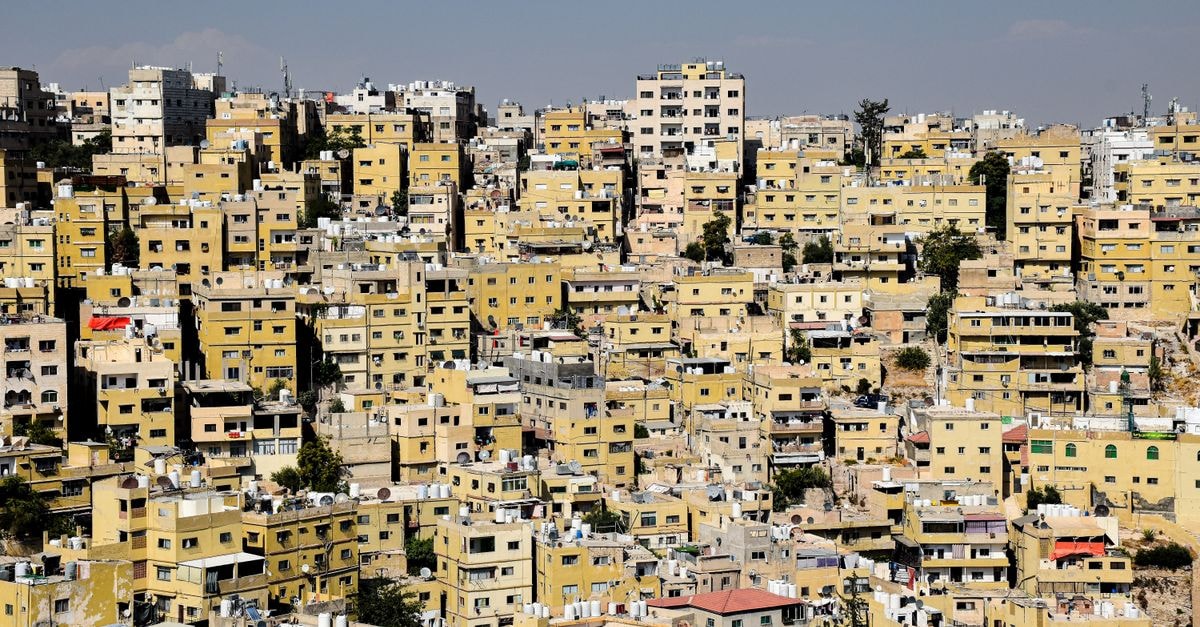
There is a particular pleasure in arriving somewhere that doesn't quite announce itself. Denpasar, the capital of Bali, has that quality. It works as a gateway for most travelers heading to the island, yet the city itself rewards unhurried exploration. It blends traditional Balinese culture with the rhythms of a working Indonesian city, and the contrast is part of the appeal. You can move from a quiet temple courtyard into a busy market street within a few minutes, and that kind of variety tends to shape a thoughtful visit rather than a checklist one.
For travelers who like to balance cultural depth with easy logistics, Denpasar offers a comfortable middle ground. The city has its own identity beyond the beach resorts that often dominate conversations about Bali, and leaning into that identity is usually where the more memorable experiences live.
Weather and seasonal context
Denpasar sits in a tropical setting that shapes how a day tends to unfold, and pacing a visit around the sun's position is often more useful than trying to outsmart the weather. Rain tends to come and go quickly, so carrying a light layer or compact umbrella is usually a more practical choice than overhauling a day's plans around a forecast. Many visitors find that the city's rhythm naturally slows during the hottest stretch, and giving yourself permission to do the same — a longer lunch, a shaded courtyard, a pause at a cultural site — usually feels right.
Getting around
One of the gentler ways to read the city is on foot in the older quarters, where temples, small museums and traditional streets sit close together. That kind of walking is where you tend to notice details that don't appear on a map. For longer distances, ride-hailing apps and local taxis are widely used and tend to be the most straightforward way to move between attractions without negotiating fares on the spot.
A distinctive feature of Denpasar's transport story is the decorated dokar, a traditional horse-drawn cart that has been reintroduced as part of the Denpasar Heritage City Tour. Local interest in the program has been notable, and it reflects a wider effort to keep traditional Balinese transport alive as a cultural experience rather than just a practical one. Riding a decorated dokar through the heritage route offers a slower, more visual way to see parts of the city that often pass by quickly in a car.
For visitors who want context on the city's layout and orientation before moving around, a 45-meter monument in the city offers wide views from its upper levels. It functions as a useful reference point both physically and visually, and the view from the top can help anchor a mental map of how Denpasar's districts relate to one another.
Attractions and planning
Denpasar's cultural attractions reward a curious pace. The city's principal temple serves as a spiritual center for the wider community and hosts major Hindu ceremonies throughout the year, which means visits can range from quiet morning rituals to larger festival gatherings depending on when you arrive. Observing from a respectful distance is usually the right approach, and arriving early in the day tends to offer the calmest setting.
Wider cultural programming in Denpasar is often described as offering a multiplier effect and bringing a significant contribution to Balinese society in general and Denpasar City in particular, and is regarded as a supportive spirit toward other sectors that benefit from cultural development. That framing helps explain why even a short visit can feel connected to something larger than the building you happen to be standing in.
Practical notes for a smooth visit
A few small habits tend to make days in Denpasar feel more relaxed. Carrying a refillable water bottle, wearing light clothing suitable for humidity, and planning the heaviest sightseeing for the morning all tend to pay off. Modest dress is appreciated when visiting temples and cultural sites, and a small sarong is a useful item to have on hand.
Factual travel conditions can change over time, so it is always wise to confirm opening hours, transport availability and any ceremony schedules through official tourism sources before finalizing a day's plan. Treat any guidance here as a starting point rather than a guarantee.
A short verification note
The factual claims in this guide are drawn from publicly available sources and reflect general conditions rather than real-time updates. Before traveling, confirm specific details such as opening hours, transport options, and cultural event schedules through official Denpasar tourism channels or your accommodation provider.
Prices, opening hours, schedules, reservation rules, and local conditions can change; verify them through official channels before departure.
Share this article
TOOLS FOR THIS PLAN
Make the Denpasar plan measurable
Choose a tool only when it answers the next question in your trip. Your values stay in the browser, and each tool offers a route back to this planning context.