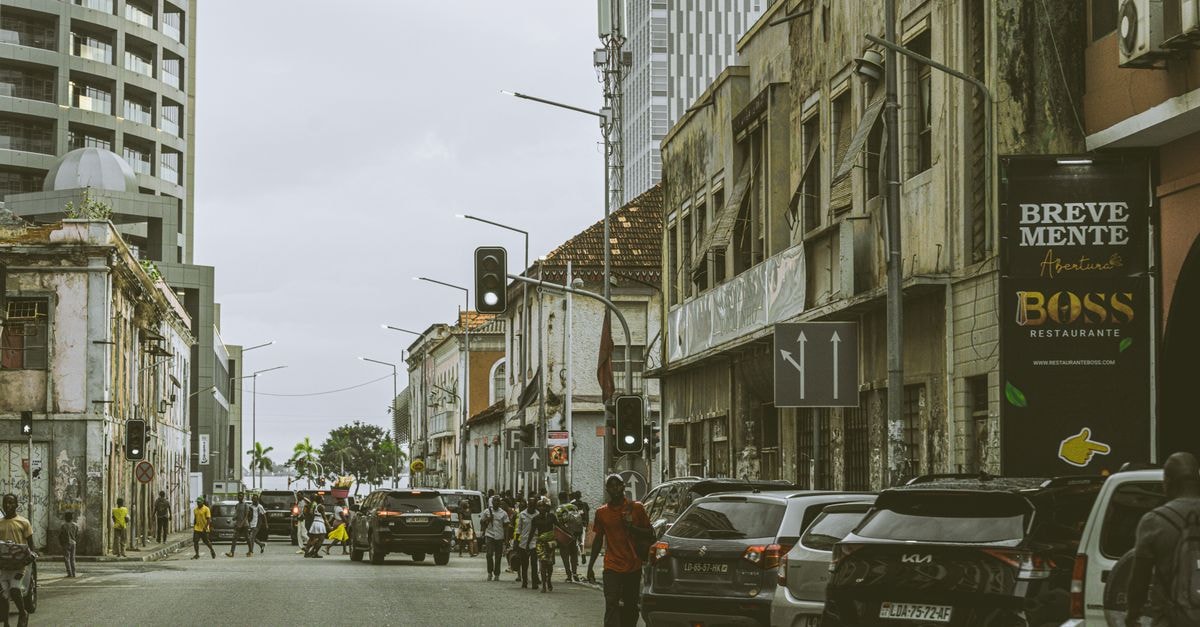
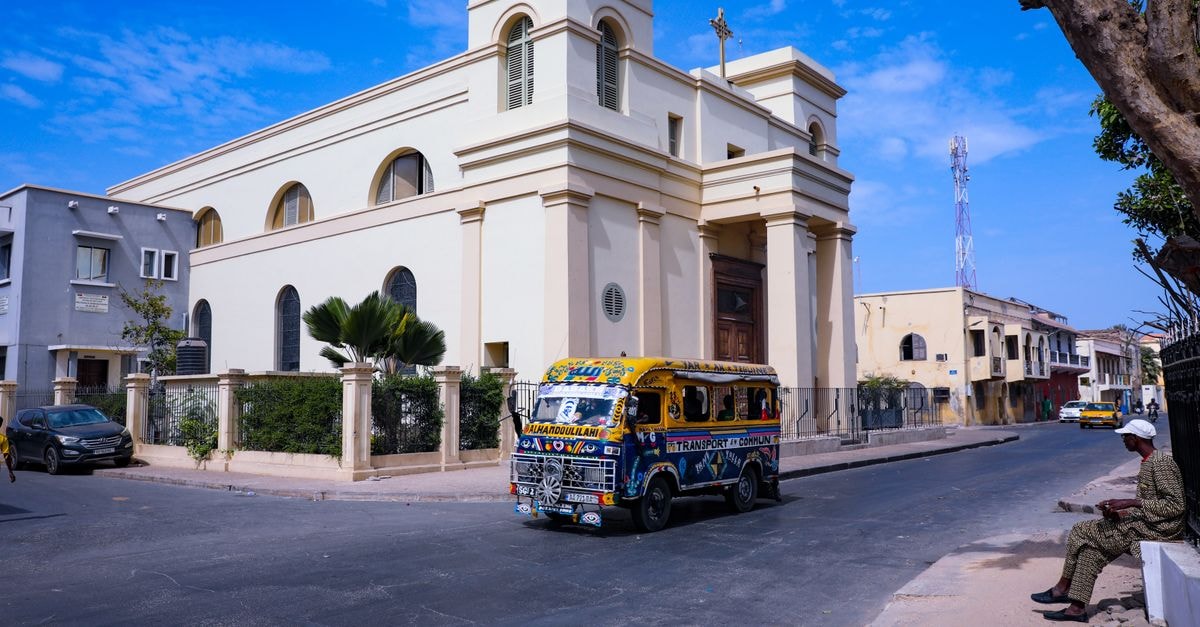
A first look at Dimbokro

Dimbokro is the kind of place that rewards travellers who slow down. Tucked into the Lacs District of Ivory Coast, it sits within a tropical climate band, the sort of landscape where the light has weight and the afternoons feel unhurried. It is not a city built around a single headline attraction; rather, it offers a window into the broader rhythms of central Ivory Coast, where small-town life, cassava traditions, and regional travel routes shape the day.
For visitors mapping out time in Ivory Coast, Dimbokro can work as a transit point or a short stopover between larger hubs. What follows is an honest, evergreen look at the practical pieces of the puzzle: how the climate tends to behave, how people plan their routes through the area, and what to know about the wider Ivorian food culture you will likely encounter along the way.
Weather and seasonal context
Dimbokro sits in a tropical northern-hemisphere climate zone, with the rhythm of a wet season and a dry season shaping daily life. For travellers, this translates into two general moods across the year: stretches when rain dominates the afternoons, and stretches when the air stays warmer and drier from morning to evening.
A useful planning figure is the broad 77° reference often cited for the area — useful for weather and daylight planning rather than as a precise daily forecast. In practice, tropical climates can feel more humid than the number alone suggests, and the shift between wet and dry phases can change how the day reads on the ground.
For visitors who prefer drier conditions for walking around, pacing the day to suit the season can make a real difference. Mornings tend to be more comfortable for outdoor movement, while afternoons — particularly in wet-season stretches — can shift quickly between bright sun and heavy showers. Packing a light layer that handles humidity, plus a compact rain option, is a simple way to stay comfortable across the kind of weather Dimbokro typically experiences.
If you are the sort of traveller who reads climate carefully before booking, it is worth checking the current long-range pattern closer to departure rather than relying on any single number.
Getting around
Travel plans for Dimbokro are often built around routes already worked out by other visitors. Aggregators that collect traveller-shared routes, like Rome2Rio, compile itineraries from a decade of people telling them their favourite ways to get from A to B, which can be a useful starting point when figuring out the shape of a journey through the Lacs District.
These shared itineraries can be personalised to take you from A to B to C, so a traveller can layer Dimbokro between two larger anchors — a coastal city, a neighbouring regional town, or a return point — without treating the routes as fixed. For independent visitors who like to piece their own schedule together, this kind of route-shaping tends to suit the way Dimbokro works best: as a stop that fits the broader path, not a destination that demands a rigid plan around it.
Because ground transport in smaller Ivorian towns often relies on shared taxis, motorbike transport, and onward connections rather than a single timetable, having a flexible sense of the route options matters more than pinning down exact departure times in advance. A short conversation at a local station, or a recent traveller-shared itinerary, often reveals more useful detail than a printed schedule.
Food and local context
Food in Ivory Coast tends to be assertive, generous, and rooted in tradition. As one overview puts it, Ivory Coast doesn't do subtle — and that characterisation tends to hold true across the country, including in central towns like Dimbokro where travellers encounter everyday Ivorian cooking rather than restaurant showpieces.
Two national dishes often anchor a visitor's first encounters with local cuisine. The first is attiéké — fermented cassava couscous served with grilled fish, sometimes labelled attiéké poisson. The attiéké arrives steaming, with individual grains glistening like tiny pearls, paired with fish that carries the smoke and spice of the grill. It is one of the country's must-try dishes for a reason: it captures the balance of starch, protein, and bright seasoning that runs through much of Ivorian home cooking.
For travellers who want to read the food scene before arriving, the wider Ivory Coast food culture offers useful framing. Traditional dishes, dining customs, and culinary experiences across the country tend to centre on shared plates, generous portions, and a real emphasis on freshness. Even outside the country's headline food cities, the same staples show up in everyday meals.
If you prefer to eat the way the town does, expect plate-style meals built around a starch (attiéké, rice, or foutou), a protein (often grilled or stewed fish or meat), and a sauce or salsa that brings heat and brightness. Travellers who enjoy trying fermented staples, grilled fish, and slow-cooked stews will find plenty to work with. Visitors who find strong fermented flavours or very spicy sauces a challenge may want to ease in by ordering grilled fish with attiéké on the side before sampling sharper local sauces.
Planning notes and verification
A few practical notes worth holding onto before settling on the trip. Tropical climates can shift quickly between bright and rainy, so packing for both is sensible. Shared transport is part of the rhythm in towns like Dimbokro, and route tools that aggregate traveller-shared itineraries are a fair starting point for sketching connections. And because food culture across Ivory Coast is shaped by shared national staples rather than a single local specialty, expectations built around attiéké and grilled fish tend to travel well.
Before departure, it is worth confirming current travel conditions, transport availability, and any local guidance through official channels — these can change, and a fresh check tends to save headaches later.
Share this article
TOOLS FOR THIS PLAN
Make the Dimbokro plan measurable
Choose a tool only when it answers the next question in your trip. Your values stay in the browser, and each tool offers a route back to this planning context.