There's a particular kind of hush that settles over Gagnoa when you step off the main road and into its tree-lined streets. The capital of the Gôh region in central-western Côte d'Ivoire, Gagnoa reads as a working city first, a tourist stop second — and that mix is part of the appeal for travelers who like to slip into a destination rather than sprint through it.

Because there are no widely served scheduled flights into Gagnoa itself, most independent travelers arrive overland, which means the city tends to reward patience and a willingness to read a situation rather than rush it. Think of Gagnoa as a stop for slowing down, for paying attention to small details, and for tasting your way into the wider food culture of Côte d'Ivoire.
The lay of the land and seasonal context
Gagnoa is a town in central-western Côte d'Ivoire, in the Gôh region, and serves as an important local administrative and commercial center. That municipal role gives it a steady hum of activity throughout the week, with market days and government schedules shaping foot traffic more than tourism cycles do.
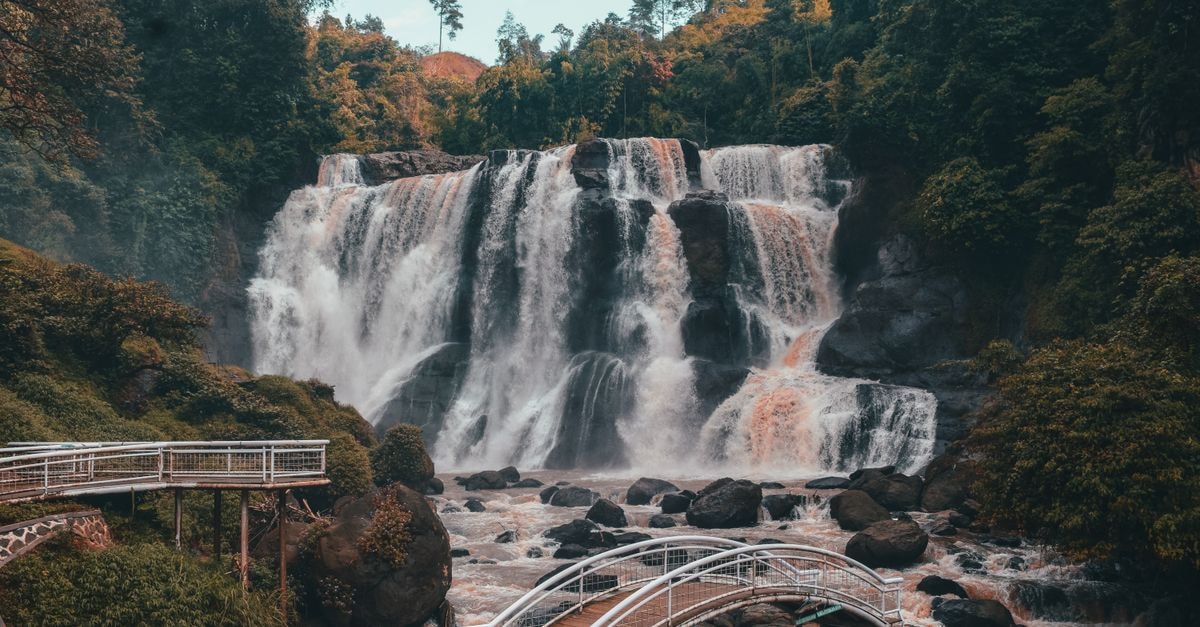
The wider environment around the city is known for its lush landscapes, a phrase that fits what visitors tend to notice on approach — stretches of green, dense roadside vegetation, and the warm, humid air that hangs over much of the country's interior. Travelers who appreciate green settings and agricultural scenery often find this part of the country quietly beautiful, especially on overland drives.
A quick note on safety framing: official travel guidance for Côte d'Ivoire has advised exercising a high degree of caution in the country and avoiding some areas. Conditions can shift, so before finalizing plans, it's worth checking current advisories from your government and confirming any specific regional guidance that might affect your route through central-western Côte d'Ivoire. The wider country context can change faster than any printed guide can keep up with.
Getting in and getting around
Most international visitors arrive in Côte d'Ivoire through Abidjan and continue overland from there. Gagnoa does not have a widely served commercial airport with frequent scheduled passenger flights, which means flying directly to the city is generally not an option for independent travelers. Plan your routing accordingly — Abidjan is the realistic gateway, and the onward journey is part of the experience.
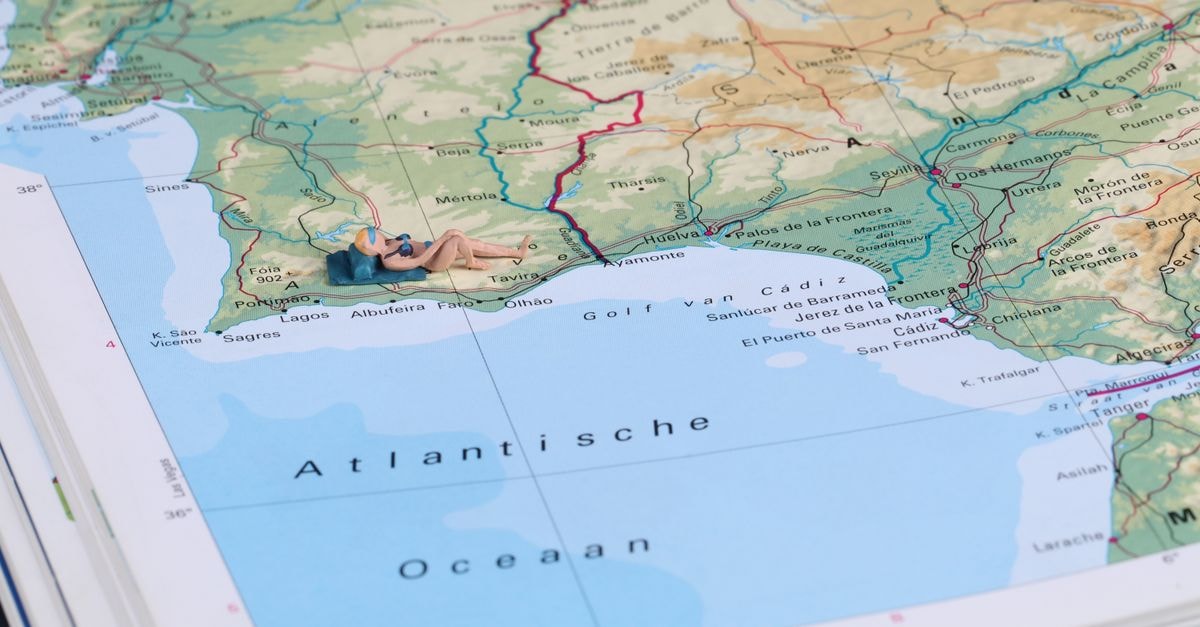
For piecing together the road portion of the trip, route-planning tools that let you build a multi-leg itinerary — adjusting the order of stops and the mode of transport between them — can be especially useful when the destination doesn't sit on a major flight path. Treat the route itself as something to design rather than something to look up; Gagnoa rewards travelers who enjoy the logic of a journey on paper as much as the actual movement.
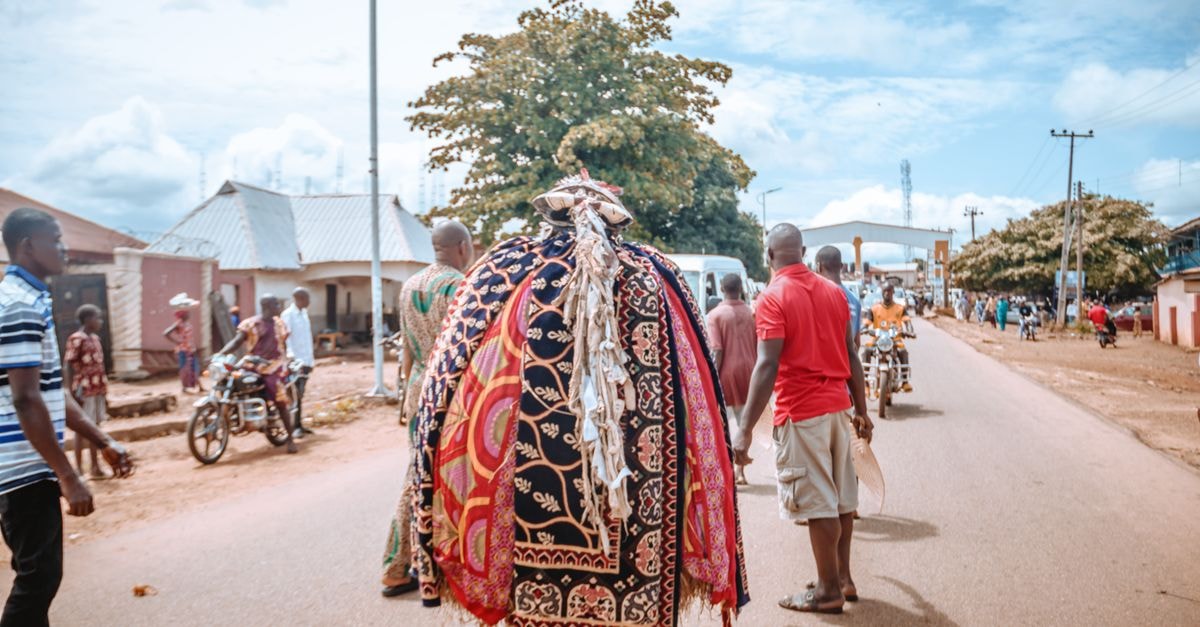
Once you're in town, the city's identity as a regional administrative and commercial center works in your favor. Services tend to cluster around the center, distances are manageable, and the everyday rhythm — markets opening, motorbike taxis weaving through traffic, shared taxis heading to outlying villages — is straightforward to read once you've spent a few hours watching it.
Food and the wider Ivorian table
Food is where Gagnoa most naturally connects to the rest of Côte d'Ivoire. The country as a whole doesn't do subtle on the plate, and travelers who lean into that generous, communal style of eating tend to enjoy the experience most. Meals are social events, portions are generous, and flavor tends to come in layers rather than whispers.
Across Côte d'Ivoire, one dish that comes up again and again is attiéké — fermented cassava couscous served with grilled fish, often referred to as attiéké poisson. The attiéké typically arrives steaming, with individual grains that glisten like tiny pearls, and the grilled fish alongside it is what turns the dish into a full meal rather than a side. It's the kind of plate that tells you a lot about how the country eats: starch and protein, fresh and fermented, simple ingredients treated with real care.
In Gagnoa specifically, the cocoa-growing identity of the region adds a quieter, agricultural layer to the food experience. Fresh produce from surrounding farms tends to be plentiful, and dishes built around local vegetables, fish, and cassava-based staples are easy to find. Visitors with an interest in how farming and food connect — rather than just in ticking off famous dishes — often find this part of the country especially rewarding.
If you prefer structured sit-down meals with menus, you'll find them in town, especially around the more commercial stretches. If you'd rather eat the way many locals do — picking up a plate at a busy spot, finding a shaded bench, and watching the street — that's equally easy here. The flexibility is part of the charm.
A note on pace and expectations
Independent travelers who enjoy piecing together their own routes from a base like Abidjan often find Gagnoa suits them well. The lack of a direct flight means you'll likely be combining the city with other stops along the way, and the journey between them is a feature rather than a bug if you like overland travel. If your preference is to minimize ground transfers and stick to places with frequent flight connections, Gagnoa may feel a little far off the beaten path — that's a tradeoff worth weighing before you commit.
Food-focused visitors will get a lot out of simply sitting with the wider Ivorian table — attiéké and grilled fish being a near-obvious starting point — and letting the regional agricultural character of Gagnoa color the rest of the experience. Travelers who prefer highly curated restaurant scenes with set menus and reservations may find the local style more spontaneous; that's the trade on the food side.
Closing notes before you go
Gagnoa rewards travelers who arrive with a flexible plan and a healthy appetite. The city is small enough to read on foot in a day, big enough to feel like a real working center, and close enough to the cocoa belt that the agricultural pulse of the region is part of the atmosphere. Cocoa country has its own kind of beauty, and Gagnoa wears it lightly.
A few practical reminders: conditions in Côte d'Ivoire can change, so confirm current travel advisories, regional security guidance, and any local restrictions before you travel. And because Gagnoa has no direct commercial airport, double-check the onward road connection from Abidjan that best fits your timing and comfort level.
If you'd like to verify one detail before booking — for example, the most current overland route from Abidjan to Gagnoa and roughly how long it tends to take — that's a question worth asking a recent traveler, a local contact, or your accommodation in advance. The answer can shape how you sequence the rest of your Côte d'Ivoire trip.
Above all, treat the guide above as a starting frame rather than a final itinerary. The best version of Gagnoa is the one you piece together yourself.
Prices, opening hours, schedules, reservation rules, and local conditions can change; verify them through official channels before departure.
Share this article
TOOLS FOR THIS PLAN
Make the Gagnoa plan measurable
Choose a tool only when it answers the next question in your trip. Your values stay in the browser, and each tool offers a route back to this planning context.