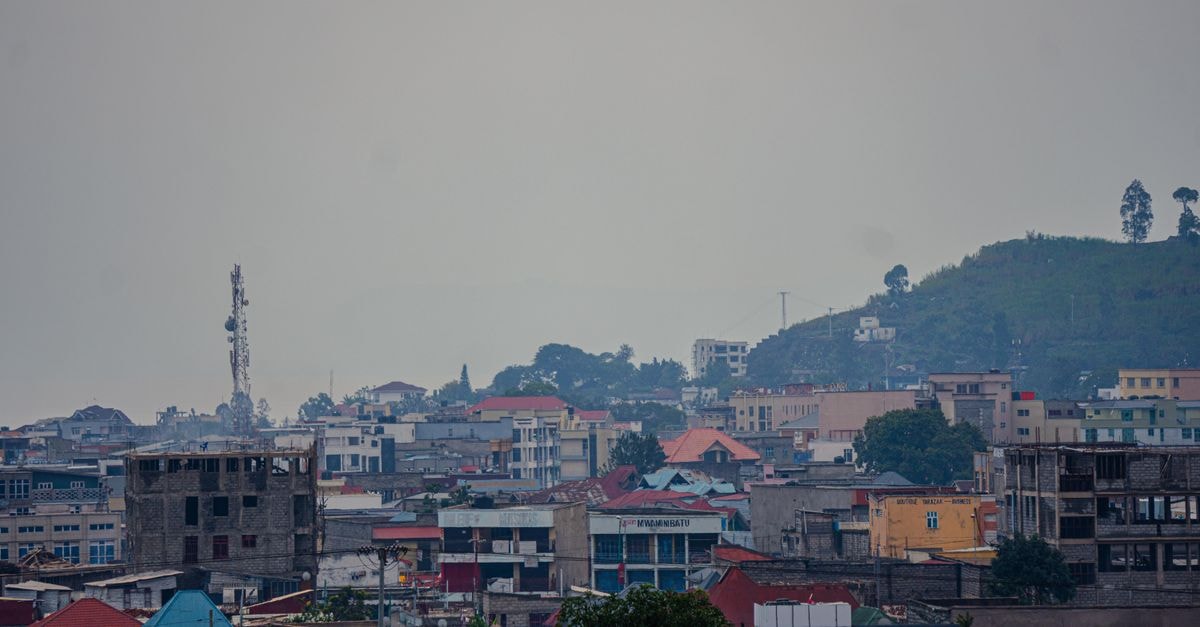
Why Dire Dawa feels like a quiet crossroads of Ethiopia

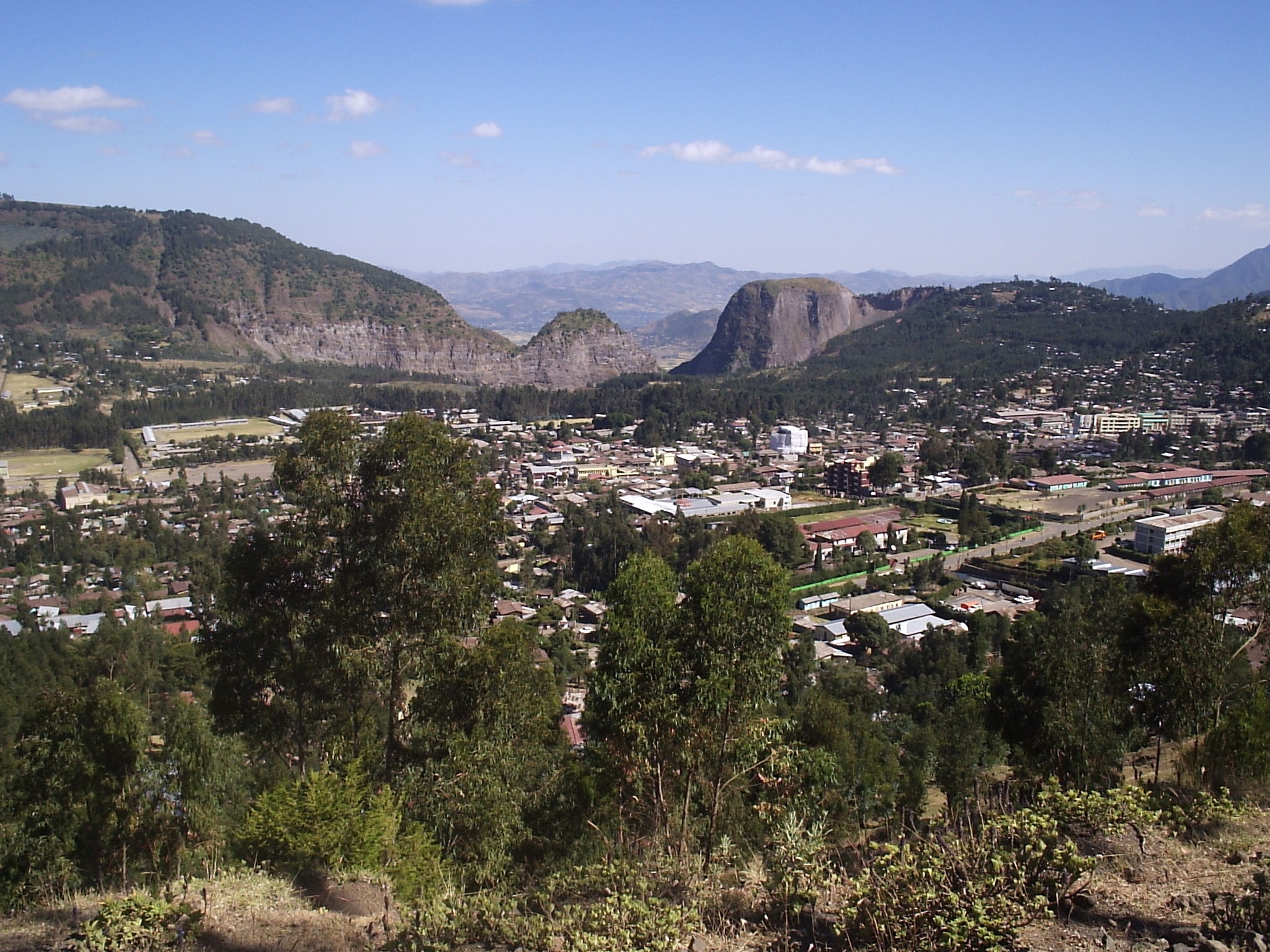
There is a particular rhythm to Dire Dawa, a city in eastern Ethiopia that often slips under the radar in favor of Addis Ababa or the historic northern circuit. Yet it carries its own pull, a place where trade routes, languages, and cuisines meet. It is the kind of city that rewards travelers who like to wander slowly, pause in a market, and let a cup of coffee turn into a longer conversation than expected. This guide gathers what is genuinely supported about Dire Dawa: the texture of its attractions, the weight of its history, and the dishes and rituals that make sitting down to eat feel like its own small event.
If you are the kind of visitor who prefers atmospheric streets, layers of older history, and meals with a story, Dire Dawa can suit that slow-travel mood well. Consider leaving room in your day for unhurried market browsing and a sit-down coffee ceremony rather than rushing from landmark to landmark.
Attractions and planning
The attraction scene in Dire Dawa is anchored less by a single must-see monument and more by the texture of the city itself. Lists of things to do consistently put markets and historic architecture at the top of the experience, painting a picture of a place whose appeal lies in everyday street life rather than a curated museum circuit. One commonly cited roundup of the top attractions to visit in Dire Dawa and around is a useful starting point for first-time visitors who want a sense of what local travel writers find most worth seeing, even if it reads more as a general overview than a detailed itinerary. If you prefer guides that lean on atmosphere rather than ticketed entries, this kind of summary can be a comfortable starting reference.
The city's history gives those streets a deeper cast. Dire Dawa has witnessed various historical events over the years, including the Italian invasion in 1935, a detail that quietly shapes the older buildings, the layout of certain quarters, and the way locals speak about the city's past. Visitors with an interest in 20th-century Ethiopian history may find these older neighborhoods rewarding to walk through, especially when paired with a stop at a viewpoint or square that lets you read the city as a whole rather than chasing individual sights.
Food and local context
Food in Dire Dawa is one of the most straightforward ways to feel oriented in the city. Locals lead a relatively fast-paced life with long work hours and busy schedules, but they also make time to relax and enjoy their food and drinks. That balance, between bustle and a deliberate pause for a plate or a cup, is part of what makes eating here feel like a small ritual rather than a refuel stop. Visitors who prefer to plan around mealtimes, treating food as a structured part of the day, may find that Dire Dawa suits that rhythm, while a visitor who wants every minute packed with sightseeing might consider leaving generous time for a long lunch.
Two dishes in particular are worth seeking out. Doro Wat is traditionally served with injera and is a dish that turns up again and again in writing about the city, framed as something a visitor should not leave without trying. Kitfo, described as a type of Ethiopian steak tartare, is another of the most popular dishes in Dire Dawa and offers a lighter, more sharply seasoned counterpoint to the slow-cooked, spiced stews that often dominate Ethiopian menus elsewhere. If you prefer gentler flavors, the stew-based plates may suit you better; if you are curious about raw and minced meat traditions, kitfo is a clear entry point. Either way, eating with injera, tearing off a piece and using it to scoop, is part of the experience.
The coffee ceremony deserves its own slot in any visit. The coffee ceremony is an important part of Ethiopian culture and is an experience you should not miss while in Dire Dawa. It is less about the drink itself and more about the unhurried process of roasting, grinding, and brewing over several rounds, often with popcorn on the side and conversation flowing around it. Travelers who appreciate slow rituals and who are happy to sit through a long, social pause may find this one of the most memorable parts of their trip, while travelers who prefer constant movement might consider it a single, concentrated ceremony rather than a daily commitment.
Choosing what fits the trip
Dire Dawa reads, on the evidence available, as a city for travelers who value texture over ticketed sights. The attraction scene is best approached through markets and historic streets rather than a list of headline monuments, so visitors who enjoy that kind of atmospheric wandering may feel most at home. The food scene is well suited to visitors who want a few signature dishes rather than a wide tasting menu, with doro Wat and kitfo as clear anchors and the coffee ceremony as a ritual worth carving out time for. History-minded travelers will appreciate the Italian invasion of 1935 as a touchstone for understanding the older architecture and the layout of certain quarters. In short, the city rewards curiosity, patience at the table, and an interest in everyday street life more than it rewards tight scheduling.
A note on planning
Because travel conditions, opening hours, and prices can shift, treat the details above as a starting point rather than a final plan. Before you travel, check current official channels for any updates that may affect your visit, and confirm specifics such as hours or transport arrangements closer to your trip. Factual conditions in and around Dire Dawa can change, and a quick verification step before departure is always worthwhile.
Share this article
TOOLS FOR THIS PLAN
Make the Dire Dawa plan measurable
Choose a tool only when it answers the next question in your trip. Your values stay in the browser, and each tool offers a route back to this planning context.