A Capital That Feels Like a High Plateau

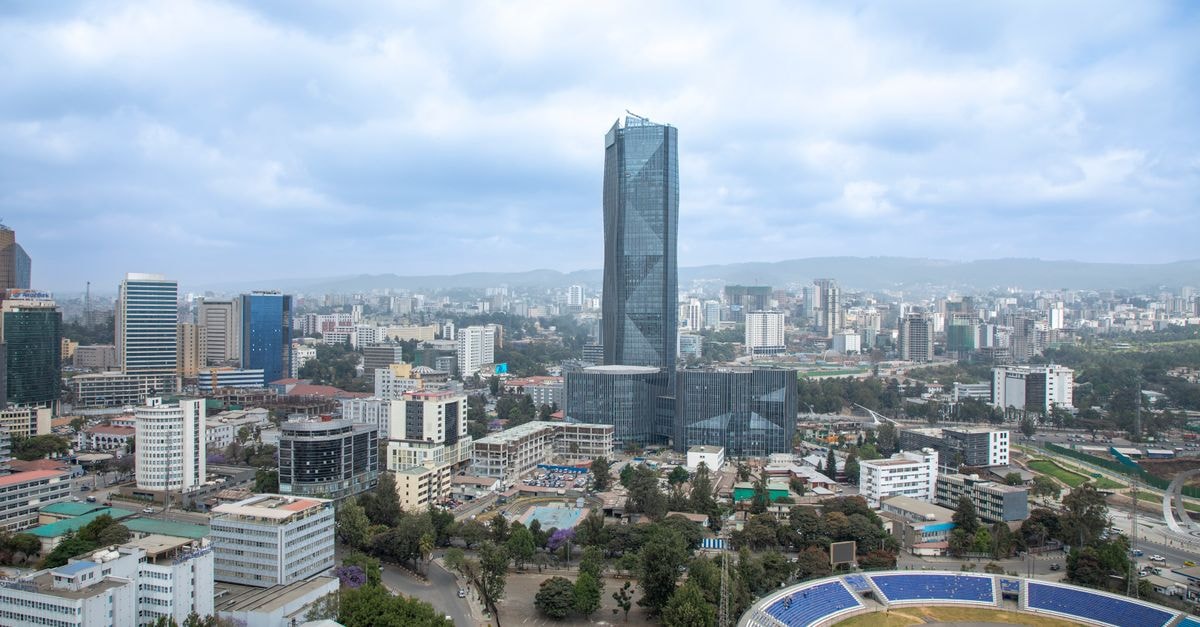
There is something quietly arresting about arriving in Addis Ababa. The city sits at nearly 2,400 meters above sea level, which makes it one of the highest capitals on earth, and visitors often notice the altitude before they notice anything else. Light feels sharper, the air thinner, and even a short walk can leave you a little breathless on the first day. Once you settle in, that same elevation shapes the rhythm of the place: bright, breezy mornings, the occasional soft rain, and evenings that arrive with the smell of roasting coffee drifting through the streets.
Addis Ababa is not a city that rushes you. It is a capital of slow rituals, long conversations over small cups, and museum rooms where you can linger without feeling hurried. This guide leans into that pace, focusing on two things the city does beautifully: a small, deeply memorable set of museum experiences, and a food culture that pulls you in with spice and ceremony.
Where Curiosity Leads: The City’s Must-Visit Museums
If you love a city you can explore indoors, Addis Ababa rewards you. The capital has long been a center of Ethiopian scholarship and culture, and a couple of museum visits can anchor an entire trip. The National Museum of Ethiopia is widely regarded as the best and most famous museum in Ethiopia, and if you only visit one museum in Addis Ababa, this is the one to visit, home to Lucy and other headline pieces of Ethiopian heritage.
For a different mood, head to the Ethnological Museum, which sits on the campus of Addis Ababa University. It is less about a single headline exhibit and more about texture: the everyday objects, textiles, and household traditions that show how varied Ethiopian life really is. Because it is housed in a university setting, it tends to feel like a quiet academic space rather than a busy tourist stop, which suits travelers who like a little depth with their sightseeing.
The Scent of Berbere and the Sound of Coffee
Food is where Addis Ababa really opens up. The city’s cuisine is built around a few deeply loved foundations: injera, the spongy flatbread that doubles as plate and utensil; a range of slow-simmered stews; and the smoky, complex heat of berbere, the spice blend that gives Ethiopian food its signature warmth. Coffee, of course, is its own kind of ritual here. The city wakes to the sound of beans being pounded and roasted, and the same perfume tends to follow you through the day, because in Addis Ababa every hour feels like coffee o’clock somewhere.
For travelers looking to dig in, traditional restaurants around the city anchor a culinary scene that is considered a must-visit experience for anyone curious about Ethiopian food. Makush Art Gallery & Restaurant is one of the places cited for serving excellent injera, and similar spots invite you to settle in for a slow, social meal.
Beyond dedicated restaurants, much of the joy of eating here comes from following the small cues: a café where someone is pouring coffee from a clay jebena, a market stall with a pan of bubbling shiro, a corner place where the menu is short and the room is full of conversation. Give yourself at least one meal where you order whatever the person next to you is having, and one evening where you let the meal run as long as it wants to.
Sitting With the City: A Slower Rhythm of Travel
A few small habits help. Drink more water than you think you need, especially on the first day, because the altitude can sneak up on you. Build in breaks, ideally somewhere with a view, a window seat, or a courtyard. And accept that the city may move at a pace that is not always yours. Once you lean into that slower rhythm, Addis Ababa tends to reward you with the kind of small, vivid memories that define a great trip: a gallery you almost had to yourself, a plate of food you will think about for weeks, a cup of coffee poured with quiet ceremony.
A Few Final Notes Before You Go
A little planning goes a long way in Addis Ababa. Decide which museums matter most to you before you arrive, so that your mornings are spent exploring rather than deciding. Keep your afternoons flexible enough to follow whatever pulls you in, whether that is a long lunch, a walk through a neighborhood, or a coffee ceremony you stumble into by chance. Pack a light layer even in the warmer months, because evenings at this altitude cool down quickly.
Like any capital, Addis Ababa rewards travelers who arrive curious and leave room for the unexpected. The museums will give you context. The food will give you a story to take home. And the city itself, high, bright, and unhurried, will give you the feeling of being somewhere genuinely different.
Travel conditions, opening hours, and practical details can change, so it is always worth checking official channels and current advisories closer to your departure date. The facts in this guide are meant to frame your planning, not replace a final check.
--- **Disclaimer:** This guide reflects the information available at the time of writing. Prices, schedules, visa rules, and on-the-ground conditions may shift, and travelers should confirm key details through official sources before departure.
Share this article
TOOLS FOR THIS PLAN
Make the Addis Ababa plan measurable
Choose a tool only when it answers the next question in your trip. Your values stay in the browser, and each tool offers a route back to this planning context.