Where basalt walls hold the room
There is a particular hush to walking into Diyarbakır from a distance. Long before the cafés and traffic make themselves heard, the city's basalt ramparts appear on the horizon, dark and confident, as if they had been waiting for someone to notice them again. Diyarbakır sits in southeastern Türkiye, in a region often described as historically rich, and the traveller who comes here expecting a quick stop usually ends up slowing down.
That slowing down is part of the charm. The city invites you to take it in pieces: a stretch of wall in the morning light, a quiet courtyard later, the hum of conversation in the evening. This guide focuses on what is genuinely supported about Diyarbakır — its sense of layered history, its position on regional travel routes, and the simple advice that conditions in this part of the world deserve a quick check before you set out.
Weather and seasonal context
Anyone planning a visit to Diyarbakır will benefit from treating the weather as a moving target rather than a fixed promise. The practical advice that seasoned travellers tend to repeat is straightforward: verify Diyarbakır's forecast a few days before arrival so that packing matches the actual conditions on the ground.
This matters more here than in some coastal Turkish destinations. Diyarbakır is inland, on a high plateau, and the swing between midday warmth and cooler evenings can be noticeable once the sun drops behind the basalt. Layering is generally a friend in this part of Türkiye: a light shirt for the day, a cardigan or jacket for the evening, comfortable shoes for stone-paved streets. Because the city sits away from the moderating effect of the sea, conditions can feel more continental, so consider building in slower midday breaks and longer evening strolls if you prefer a gentler rhythm.
For travellers who are mapping a longer trip through southeastern Türkiye, this same logic applies across the region: the climate is generally drier than the coast, and temperatures can shift more dramatically between sun and shade. A short verification of the forecast, and a flexible daily plan, are usually enough to keep things comfortable.
Getting around
Diyarbakır is a crossroads in the truest sense, and the map of the wider region makes that obvious. Routes radiate outward from the city in several directions: north toward Bingöl and onward toward Erzurum, west toward Kahta, south toward Şanlıurfa and Hilvan, and east toward Batman, Siirt, and Mardin, with Kızıltepe sitting along that eastern corridor. Tatvan and Doğubayazıt lie further along the northern arc, while Trabzon and Ergani connect through the western side of the network. For travellers arriving overland, this means Diyarbakır is often less an endpoint and more a hinge.
Within the city itself, the most rewarding way to orient yourself is on foot, since the historic centre is compact enough to read by walking. Short taxi rides are useful for bridging the gap between the old walls and newer neighbourhoods, and the central transport options that visitors typically use in Turkish cities — dolmuş minibuses, local buses, and taxis — are the usual first reference points. If you prefer to keep the day flexible and avoid the cost creep of constant taxis, walking the core and using public or shared options for the longer stretches is a comfortable balance.
Attractions and planning
Diyarbakır's identity is built on the feeling that the past is still in the room. Heritage-focused travellers will find a city where the cultural and historical layers are visible at every turn, rather than locked away in a single museum.
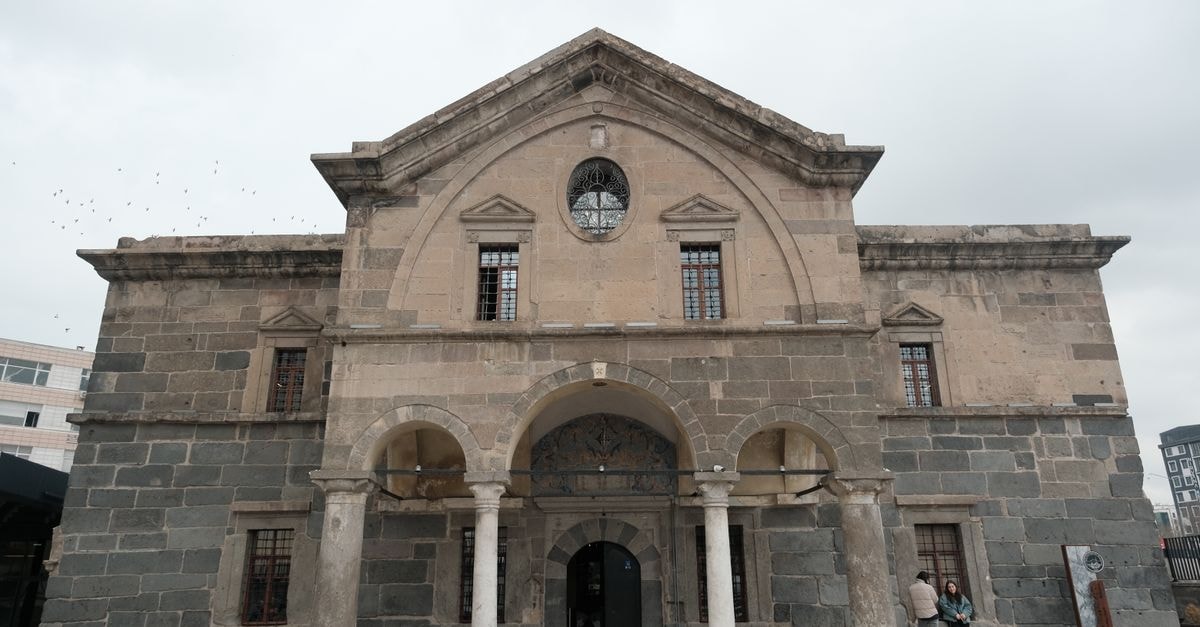
The single most important visual anchor is the towering basalt city walls, inscribed on the UNESCO World Heritage List. They have watched over the city for centuries, and they remain the most practical starting point for any walking plan: once you have walked a stretch of the walls, you understand the scale of the place, and you can read the rest of the city in relation to them. The dark volcanic stone gives Diyarbakır its distinctive colour and texture, and it shows up again in monuments, courtyards and public spaces throughout the centre.
For planning purposes, it is worth thinking of the city in three loose layers: the walls themselves and the gates that punctuate them, the historic neighbourhoods and religious complexes inside those walls, and the bazaars and meeting points where daily life still unfolds. Heritage-focused travellers who enjoy reading a city through its architecture tend to appreciate Diyarbakır most when they give themselves at least a full day inside the walls, with time to revisit a particular corner rather than racing through a checklist. Travellers who prefer a slower, more contemplative pace — fewer stops per day, longer pauses in shaded courtyards — may find this approach suits the mood of the city better than a packed schedule.
There is a softer appeal here too. Diyarbakır is often described as a place where past and present sit in the same room, and that sense of continuity shapes how a visit feels. Even travellers who arrive without a deep background in the region's history tend to leave with a clearer mental map than they expected, simply because the city's visual language is so consistent.
Choosing what fits the trip
Because the city's pull is mostly cultural, the trip style that tends to suit Diyarbakır is a slow one: time inside the historic core, an unhurried evening, and at least one long look at the walls from a distance. Travellers who enjoy connecting a city to the wider region may want to use Diyarbakır as a base for thinking about the broader network of southeastern Turkish towns — but those specific journeys are worth planning individually, with current transport information in hand, rather than treating them as automatic add-ons.
Independent visitors who like to set their own rhythm, and heritage-minded travellers who enjoy cities where history is lived rather than displayed, will likely feel most at home here. Travellers who prefer big-museum pacing with a single highlight per day may want to balance their itinerary with quieter moments, since the city rewards attention as much as movement.
Before you go
A short verification is enough to keep plans honest. Checking the live weather a few days before travel, confirming any train or intercity bus details through the official tcdd channel or current operator, and giving yourself a flexible first day are usually the most useful steps. Factual travel conditions can change, and official channels should be checked before departure so that the trip reflects the city as it is now, not as a guidebook once described it.
Share this article
TOOLS FOR THIS PLAN
Make the Diyarbakır plan measurable
Choose a tool only when it answers the next question in your trip. Your values stay in the browser, and each tool offers a route back to this planning context.