A pocket-sized capital wrapped in a Victorian seafront

Douglas, the capital of the Isle of Man, sits on the island's eastern coast and feels more like a relaxed seaside town than a capital city at all. The crown dependency of the United Kingdom in the Irish Sea has packed a lot of character into a small stretch of coast, and Douglas is the place where that character is most visible on foot. There is a sense of stepping back a few decades here, with old-fashioned seaside trams gliding along the promenade and a town centre that stays compact enough to learn quickly.
What makes Douglas appealing as a base is exactly that scale. Cruise ships calling at the Isle of Man dock just off Douglas, with tenders bringing passengers ashore in the centre of town. From there, the city's seafront unfolds in front of you, and the rest of the island opens up behind it. Visitors tend to use Douglas as both a destination and a launchpad: the city itself rewards a slow stroll, while the surrounding countryside and coastline make day-style exploration entirely possible from the same address.
If you travel with a curious, unhurried mindset — the kind of traveler who enjoys vintage railways, long seafront walks and a quiet pub at the end of the day — Douglas often delivers exactly the pace you were hoping for.
The seafront and the city's vintage character
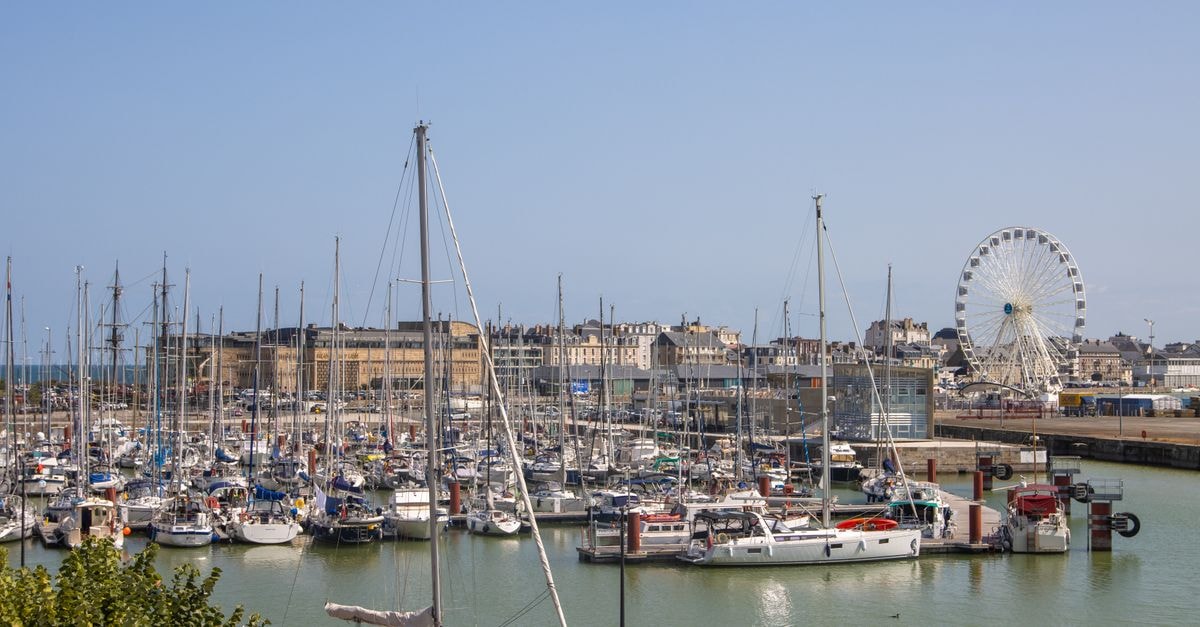
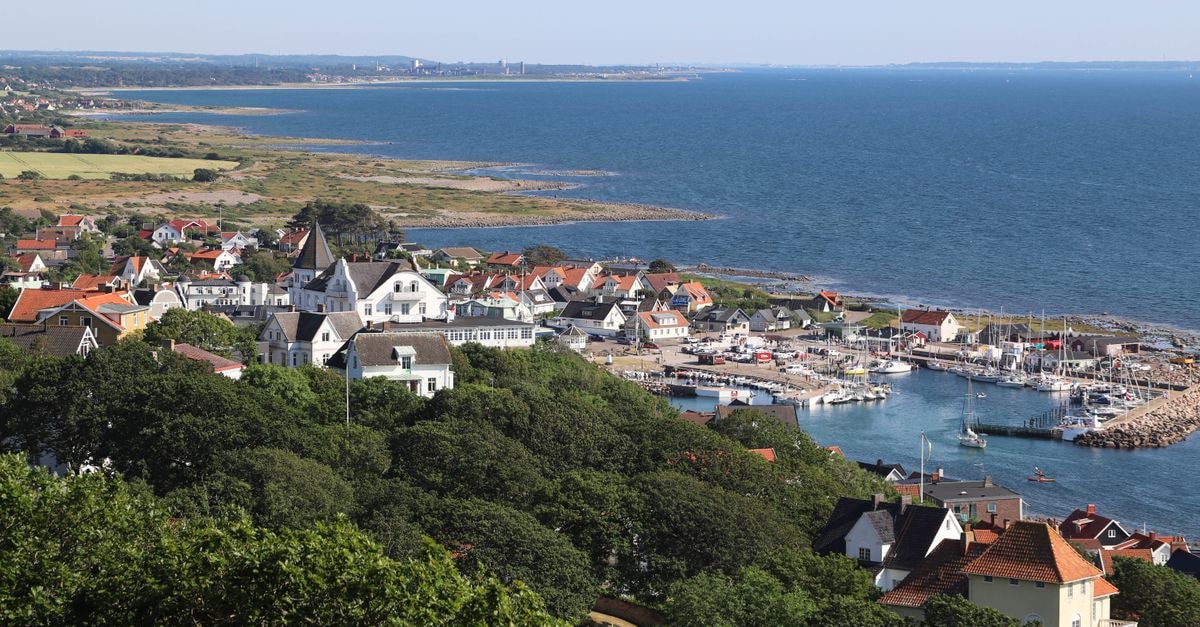
Douglas is most famous for its annual Isle of Man Tourist Trophy (TT) motorbike event, its vintage horse-powered trams and its old steam railway. Those three things do a lot to set the mood of the place. The seafront itself is one of the best-preserved Victorian promenades in the British Isles, and it is the first place most visitors naturally drift toward. Walking the length of the promenade, with the bay on one side and the town on the other, gives an immediate sense of how the city is shaped around its waterfront.
Being a little seaside town rather than a sprawling capital has its practical side too. Most sights in Douglas are walkable once you are in the town, and the central dock location places cruise arrivals within easy reach of the seafront on foot. For travelers who prefer to be outdoors rather than ticking off a long list of museums, the promenade alone can anchor a satisfying morning or afternoon.
The Victorian setting also means the architecture rewards visitors — close to the bay, the unbroken sweep of the promenade has a feel that is hard to find elsewhere in the British Isles, and it tends to be where visitors slow down without planning to.
Getting around Douglas and out into the island
A simple ordering of arrivals and departures helps: bus or taxi from the island's airport to Douglas, walk the seafront and town centre from there, and only branch out onto the heritage railways when you want a change of pace. Because distances are small, this kind of light-touch itinerary rarely feels rushed.
If you prefer not to drive, the bus and rail network together cover most of what visitors tend to want to see from Douglas, and the central dock location means cruise arrivals are already on the right side of the city for walking.
Planning a Douglas visit on sensible budgets
A short city-focused visit does not have to be elaborate. A single indoor museum visit and a light lunch can be managed on a modest daily budget, leaving the rest of the day free for a seafront walk and a relaxed dinner. The compact geography means you are rarely paying for taxis once you have arrived, and many of the most enjoyable experiences, including the promenade, the town centre and the view across the bay, are essentially free.
When you do spend, the categories that tend to add up are food and drink, a museum or attraction ticket, and any heritage transport you decide to add to your plans. If you also plan to use the heritage railways for a day, a rover ticket is worth considering rather than buying separate legs. For travelers who like keeping a running total in their head, Douglas is the sort of place where a single modest daily figure covers most of what a curious visitor actually wants to do.
If you prefer to anchor your day around a few set experiences rather than a packed plan, a seafront walk, one museum visit and a long lunch often cover the essentials without straining any budget.
Local food and what to expect on the table
Douglas sits inside a wider food scene shaped by the Isle of Man's coastal setting. Manx kippers and locally caught seafood are part of that broader island context that visitors may encounter in restaurants and cafés around the capital. Because the island is small, fresh seafood tends to feature on menus fairly naturally rather than feeling like a special-occasion choice.
For visitors with allergies or specific dietary needs, official allergen guidance and labeling rules are published on the Isle of Man food safety authority pages, which is a reliable starting point if you want to read the rules as they apply across the places you visit.
If you enjoy letting your meals reflect where you are, looking for Manx kippers and seafood dishes on menus in town is a simple way to eat with a sense of place, while leaving room for the kind of relaxed seafront dining that Douglas does particularly well.
Choosing what fits the way you like to travel
Douglas may suit travelers who like a base they can explore on foot, with the option to branch out onto vintage railways or into the countryside for a half-day. If you prefer to move slowly and stay close to the sea, the promenade and town centre alone can fill a satisfying day, and a modest daily figure covers most of what you will want to do. If you like to combine transport with sightseeing, layering the Manx Electric Railway, a Snaefell return trip and a rover ticket onto a Douglas base turns the city into the start of a wider island day. If you prefer harbor views and a seafront-first itinerary, the central dock location places the promenade and town within walking distance on arrival, so you can step straight into the city without arranging transfers.
A quick check before you go: confirm the running of any heritage railway or museum you plan to include on the day you want to visit, since timetables and opening patterns can vary, and prices and conditions can shift between planning and travel.
Factual travel conditions can change, so it is worth checking official channels and current information closer to your trip before you finalize plans.
Share this article
TOOLS FOR THIS PLAN
Make the Douglas plan measurable
Choose a tool only when it answers the next question in your trip. Your values stay in the browser, and each tool offers a route back to this planning context.