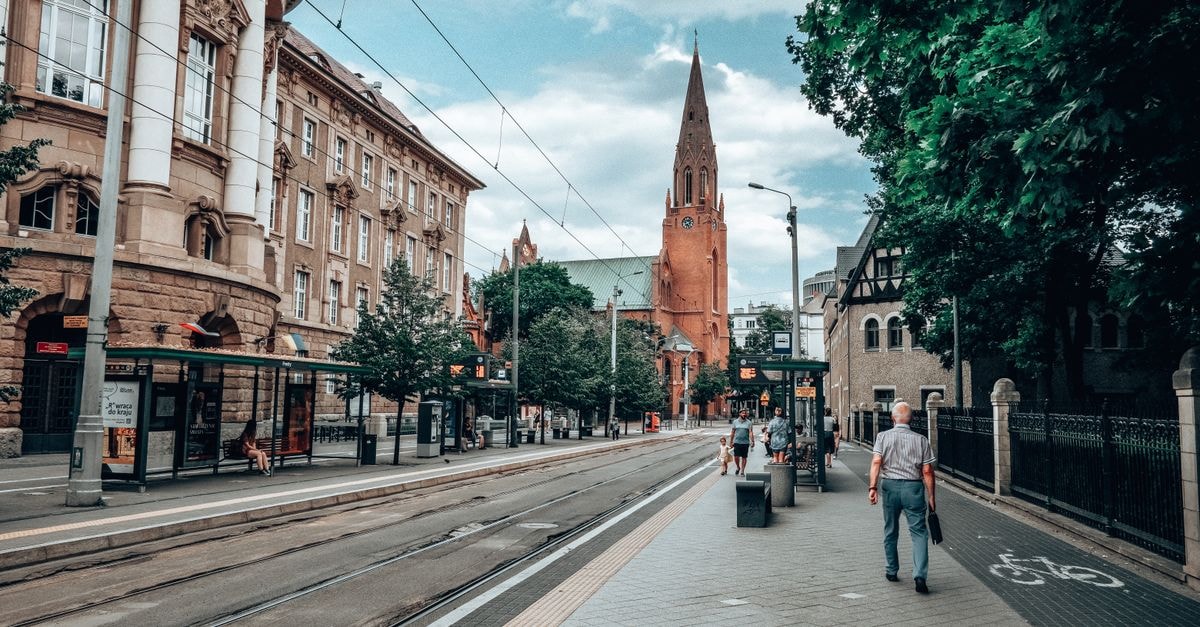
Why Dresden in July

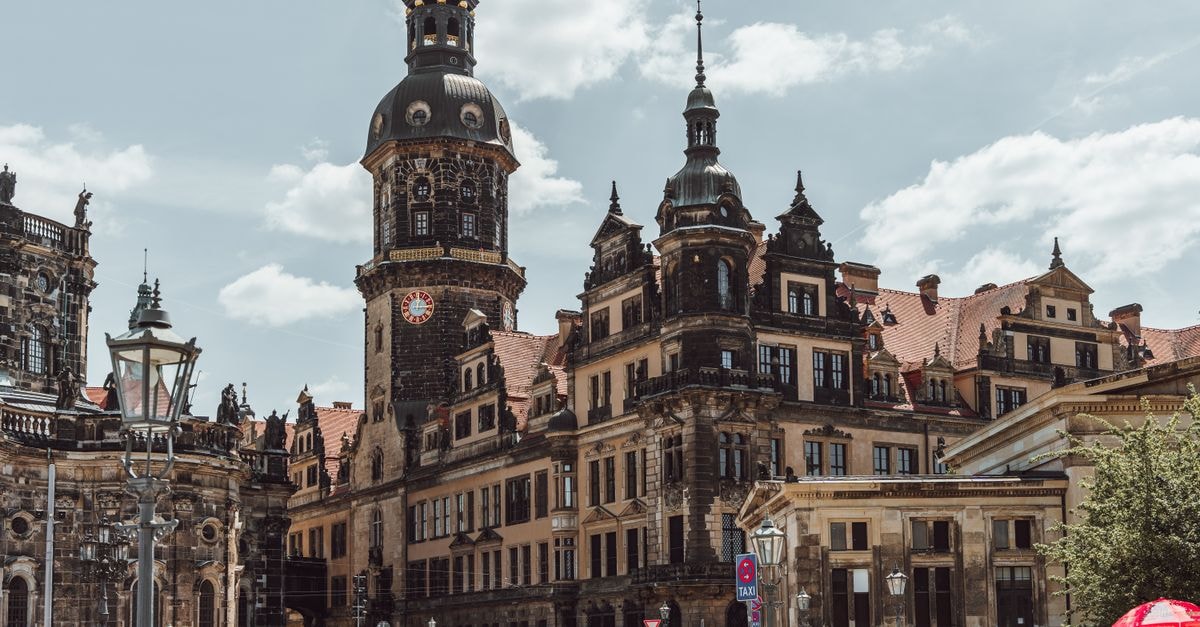
Dresden earns its nickname "Florence on the Elbe" honestly. The capital of Saxony squeezes an unusually dense cluster of Baroque palaces, opera houses and sandstone churches into a walkable Altstadt on the south bank of the Elbe, with the bohemian Neustadt — tattoo parlours, craft beer bars and street art — waiting across the Augustus Bridge. Centuries of wealth under Augustus the Strong funded the acquisitions of Raphael's Sistine Madonna and Vermeer's Girl Reading a Letter at an Open Window, both still on display inside the Zwinger. After the Allied firebombing of February 1945 destroyed roughly 90% of the historic centre, an 11-year reconstruction completed in 2005 returned the Frauenkirche's sandstone dome to the skyline.
July sits at the comfortable end of the city's weather curve. Daytime averages sit in the mid-20s°C, the Elbe meadows turn into picnic grounds, and the days stretch to roughly 16 hours of daylight. The practical challenge of the month isn't whether to come — it's booking accommodation and restaurant tables well ahead, since July overlaps with Northern Hemisphere school holidays.
July Weather and What to Pack
Two weather datasets for July in Dresden point to the same picture: warm days, mild nights and regular afternoon showers. The whenrome.com dataset records an average daytime high of 25°C (77°F) and overnight low of 15°C (59°F), with around 69 mm of rain spread over roughly 12 wet days. The climate-data.org dataset is slightly more conservative, recording a July max of 23.3°C (74°F), a min of 14.4°C (57.9°F) and about 100 mm of rainfall. Humidity hovers near 70%, and brief, heavy showers are common between 2 PM and 4 PM.
Daylight on 15 July runs about 16 hours and 7 minutes, with sunrise around 5:07 AM and sunset around 9:14 PM. The clear-sky UV index at noon reaches 10.8 — very high — so sun protection matters more than most visitors expect. Mosquito activity is moderate, especially in the Elbe meadows at dusk.
Pack breathable summer layers, a light rain jacket or compact umbrella, sunscreen (SPF 30–50), a thin layer for air-conditioned restaurants or evening Elbe cruises, and comfortable walking shoes. The Altstadt cobblestones are unforgiving on flip-flops.
Getting There and Getting Around
Dresden Airport (DRS) is the city's primary gateway, with Dresden Hauptbahnhof the main rail hub. From the Hauptbahnhof, the Altstadt is about ten minutes by tram, and the S-Bahn reaches Saxon Switzerland in roughly half an hour.
Once in the city, the Dresdner Verkehrsbetriebe (DVB) tram and bus network handles almost everything. Prices are valid from April 2026:
- Single journey, Dresden fare zone: €3.60 (€2.20 concession) — valid for one hour. - Two-zone single: €6.30 (€4.20 concession). - Three-zone single: €9.50. - Four-trip ticket: €13.00. - One-day pass, Dresden fare zone: €9.50. - One-week pass, Dresden fare zone: €32.00.
Tickets bought before boarding must be stamped immediately; tickets purchased on board are pre-stamped. The FAIRTIQ app charges €2.10 per short-distance journey and works well for ad hoc rides. The Altstadt is genuinely walkable, and cycling the riverside paths is easy. Taxis and ride apps work fine but are pricier than the tram — stick to official vehicles, especially at night.
Top Sights, Day Trips and July Events
The essentials form a tight cluster on the south bank. The Frauenkirche is the 91-metre sandstone dome that defines the skyline, originally built 1726–1743 and reconstructed in stone-by-stone fashion; darker "witness stones" from the original mark spots where old and new meet. The Zwinger Palace, built 1710–1728, encloses orange trees behind sgraffito walls and houses the Old Masters Picture Gallery. The Semperoper, designed by Gottfried Semper and reopened in 1985, is where Wagner premiered three operas and the Saxon State Orchestra has played continuously since 1548. The Green Vault (Grünes Gewölbe) holds the historic treasury, and the Brühlsche Terrasse — the "Balcony of Europe" — runs as a promenade above the Elbe.
July brings two festival fixtures worth planning around. The Dresden City Festival in early July fills the Altmarkt with music stages and food stalls; the smell of frying Quarkkeulchen drifts across the square in the evenings. Later, the Filmnächte am Elbufer runs open-air cinema on what is billed as Europe's largest floating screen, set up on the river through summer nights. The Semperoper runs its full summer roster; one local source notes July opera tickets run at roughly half the December price, which makes midsummer opera-going an unusually good value.
For day trips, Saxon Switzerland (Sächsische Schweiz) National Park lies just 30 minutes east by S-Bahn. The sandstone cliffs and table mountains inspired Caspar David Friedrich, and the headline sights are the Bastei Bridge — a stone span across a misty rock gorge — and Festung Königstein, a massive hilltop fortress. July is prime hiking weather, with long daylight and warm (but not scorching) trail temperatures; bring sturdy footwear and water, since trails can be slick after the typical afternoon downpour. A slower-paced alternative is a paddle-steamer trip down the Elbe to Pillnitz Palace, with evening departures catching golden-hour light on the Brühlsche Terrasse.
Where to Stay and Book Early
July overlaps with Northern Hemisphere summer holidays, and one dataset classifies the month as peak season — both flights and lodging are best locked in 3–5 months ahead, central locations vanish first, and boutique properties sell out weeks in advance. Another source notes that hotel rates can still linger in shoulder-season territory between the June rush and the August spike, so it pays to compare. Restaurant reservations a few days out are advisable.
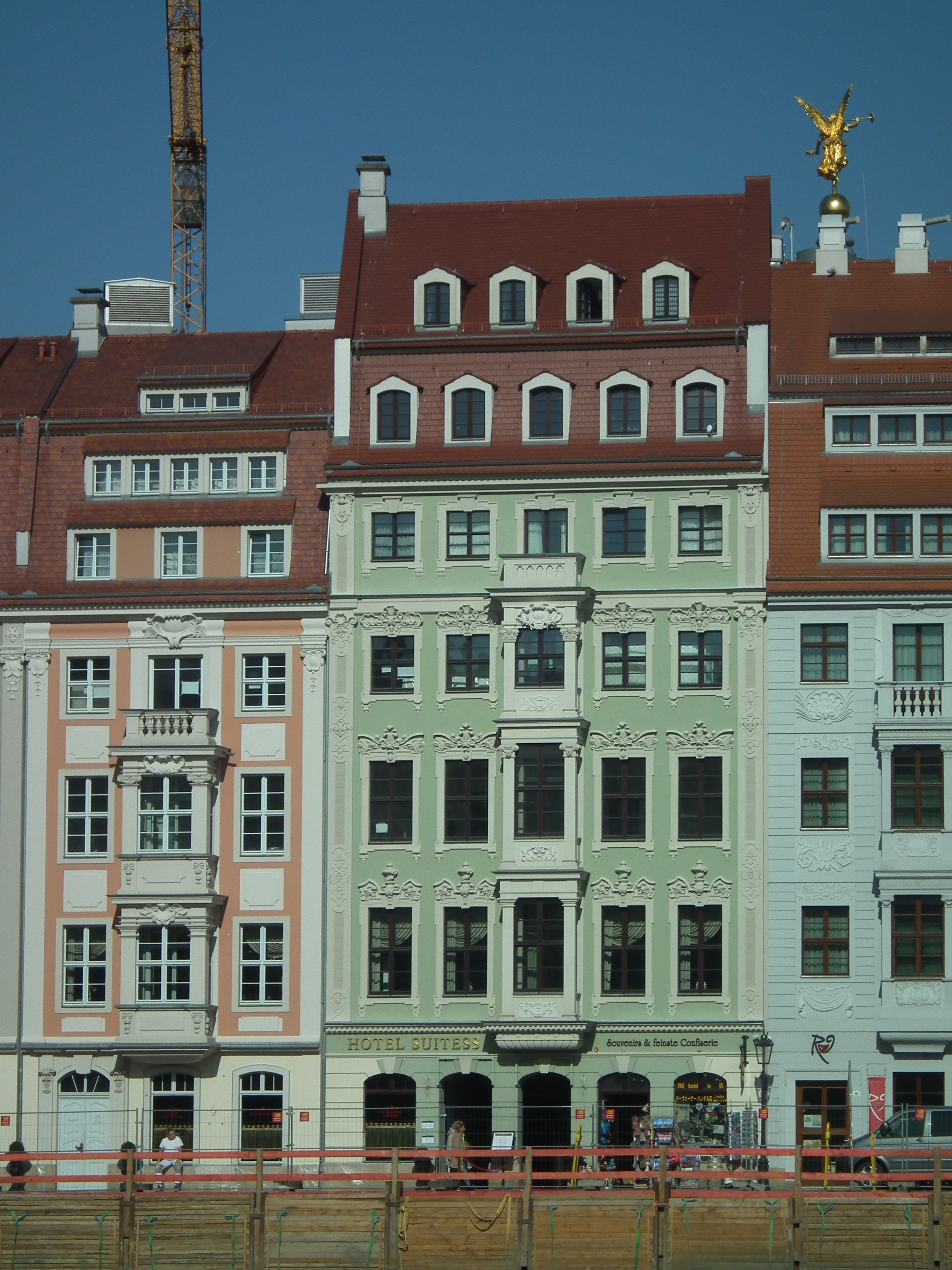
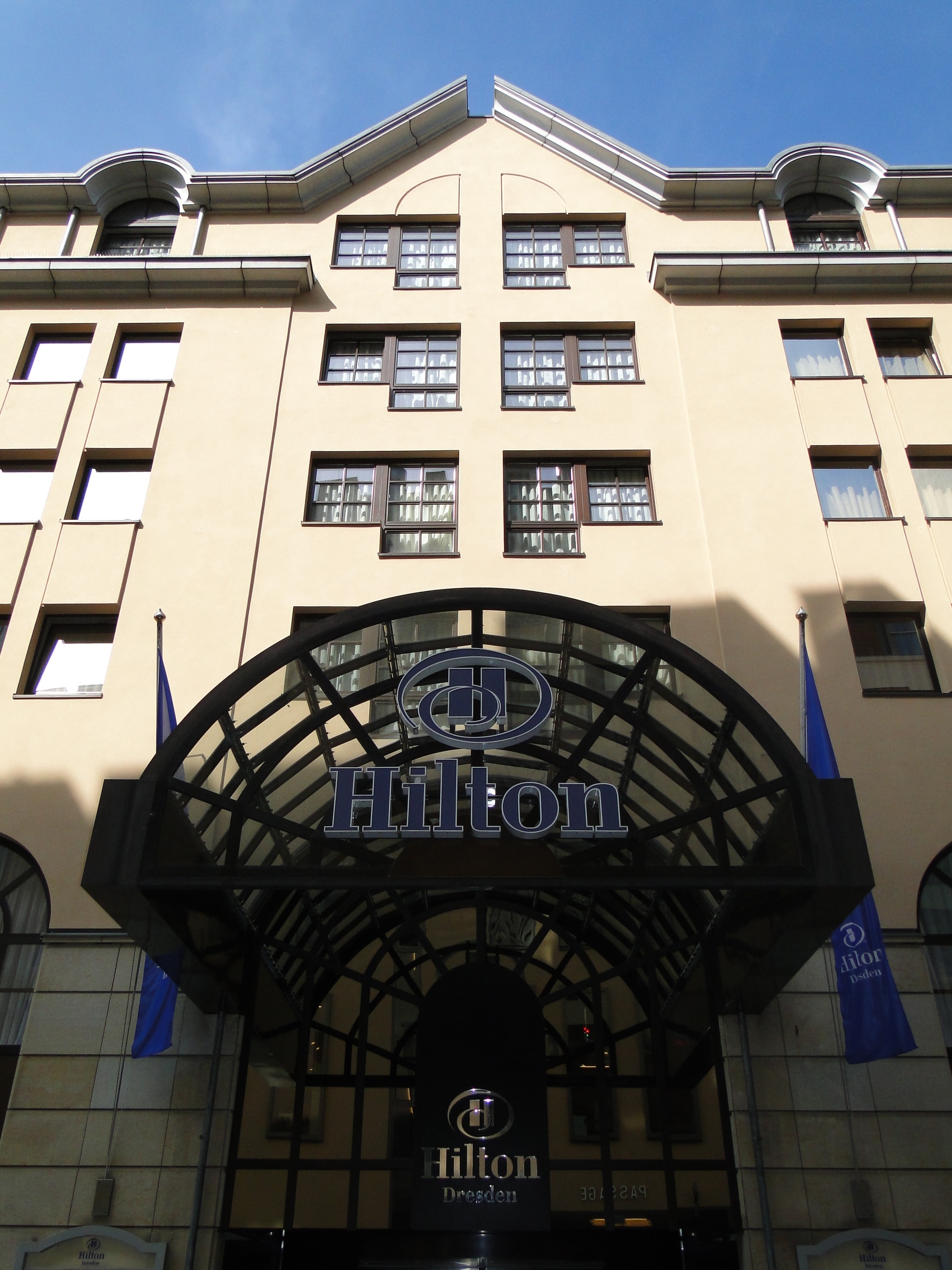
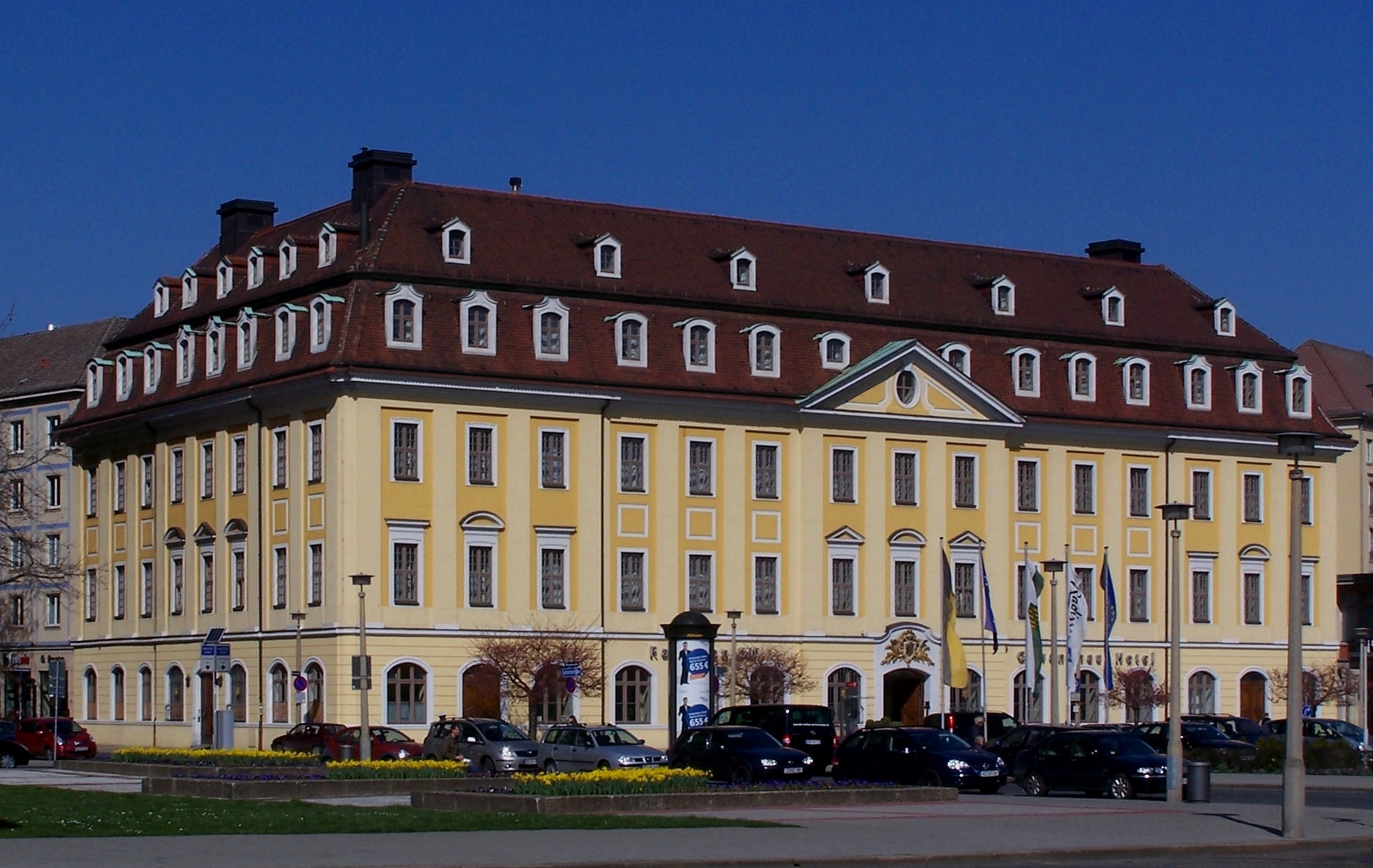
The Altstadt is convenient for the Frauenkirche, Zwinger and Semperoper, with higher rates but minimal transit time. Neustadt — especially the Äußere Neustadt around Alaunstraße and the Kunsthofpassage — offers better value, more character and walking distance to bars and craft-beer spots, but a tram ride over the Augustus Bridge from the main sights. Daily budget anchors vary by scope: one source lists a backpacker level of $75, mid-range of $130 and luxury of $280, while another frames daily traveler costs at USD 40–150, with budget travelers at USD 40–60 and comfortable mid-range at USD 90–150. Use the figure that matches your travel style.
Eating Like a Saxon
Saxon cuisine is hearty, mildly seasoned and built around potatoes, pork, quark and regional beer. The municipal tourism office actively promotes these classics:
- **Sauerbraten** — pot roast marinated for days in vinegar, spices and vegetables, then slow-braised. The Saxon version typically arrives with rich gravy, potato dumplings (Klöße) and red cabbage, sometimes with a hint of sweetness or raisins. - **Sächsische Kartoffelsuppe** — Saxon potato soup, a common starter. - **Quarkkeulchen** — small fried pancakes made from quark, mashed potato, flour, eggs and sugar, served warm with sugar, apple sauce or berries. You'll smell them frying at the City Festival. - **Eierschecke** — a layered tray cake with a yeast base, a creamy quark middle and a butter-egg-sugar top; found in bakeries year-round and paired with afternoon coffee. - **Dresdner Christstollen** — the famous Christmas loaf (raisins, candied citrus, almonds, butter, dusted with powdered sugar). Authentic Stollen carries an EU-protected designation and is a popular souvenir. - **Fettbemme** — open-faced rye bread spread with pork or beef lard, topped with sliced gherkins and salt; a true local snack.
Wash it down with Radeberger Pilsner or another regional beer on tap. Tipping is 5–10% in restaurants, and cards are widely accepted in central Dresden.
Staying Safe in Dresden
Dresden scores well on safety: the current safety index is 75, with a user-sentiment score of 88, and the city earns a "low risk" overall rating. Pickpocketing is the main concern at medium risk, most active on trams, around the Hauptbahnhof, and in crowded festival and market settings; carry bags cross-body and keep phones zipped away. Violent crime and mugging against visitors are low risk — standard urban awareness is sufficient. Transport and taxis are low risk; trams and S-Bahn are reliable and safe, and you should stick to official vehicles or ride apps, especially at night. Scams are low risk, with occasional fake petitions or distraction tactics near stations — polite caution is enough. Natural-disaster risk is low overall, but the Elbe is prone to flooding after heavy rain, and low-lying promenades can be affected in extreme weather. Terrorism is a medium background risk consistent with other European cities; authorities monitor transit hubs and large events. Women travelers face low risk and are generally comfortable in central areas with steady foot traffic.
Budgeting and Saving Money
Saxony's eastern German pricing remains noticeably lighter than Munich or Frankfurt. The Dresden Welcome Card is a smart first move: it bundles free public transport, free museum entry and discounts at restaurants, tours and events, and is sold at the Frauenkirche tourist office and the Hauptbahnhof.
Practical cost anchors: a single tram ride costs €3.60, a one-day tram pass €9.50 and a one-week tram pass €32.00. A mid-range daily budget runs about $130 per person including hotel. Food savings come naturally — bakery Eierschecke, Fettbemme and Quarkkeulchen are filling snacks that can keep restaurant meals down to one a day. Most major sights offer student and concession pricing, and the Welcome Card often makes a busy day of museum-hopping cheaper than individual tickets.
Practical Planning Notes
- Currency is the euro (EUR). Live exchange rates move daily — check your bank or a reliable converter before exchanging money, and pay by card wherever possible to avoid cash-conversion markups. - Emergency numbers: 112 (medical/fire), 110 (police). - Power sockets: Type C / F. Tap water is safe. - German is the main language; English is widely understood in the Altstadt, museums and restaurants. - Restaurants, museums and the Semperoper all benefit from advance reservations in July.
Prices, opening hours and event schedules can shift. Confirm with official websites — DVB, Semperoper, dresden.de and dresden-tourist.de — before finalising plans.
Share this article
TOOLS FOR THIS PLAN
Make the Dresden plan measurable
Choose a tool only when it answers the next question in your trip. Your values stay in the browser, and each tool offers a route back to this planning context.