A first look at Dresden

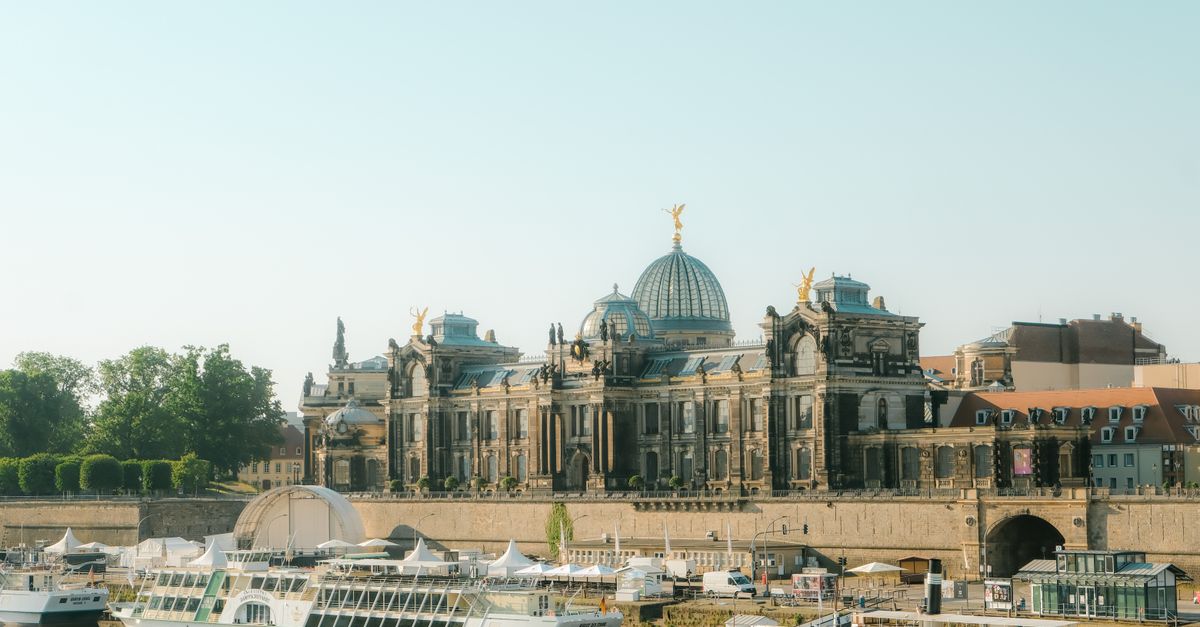
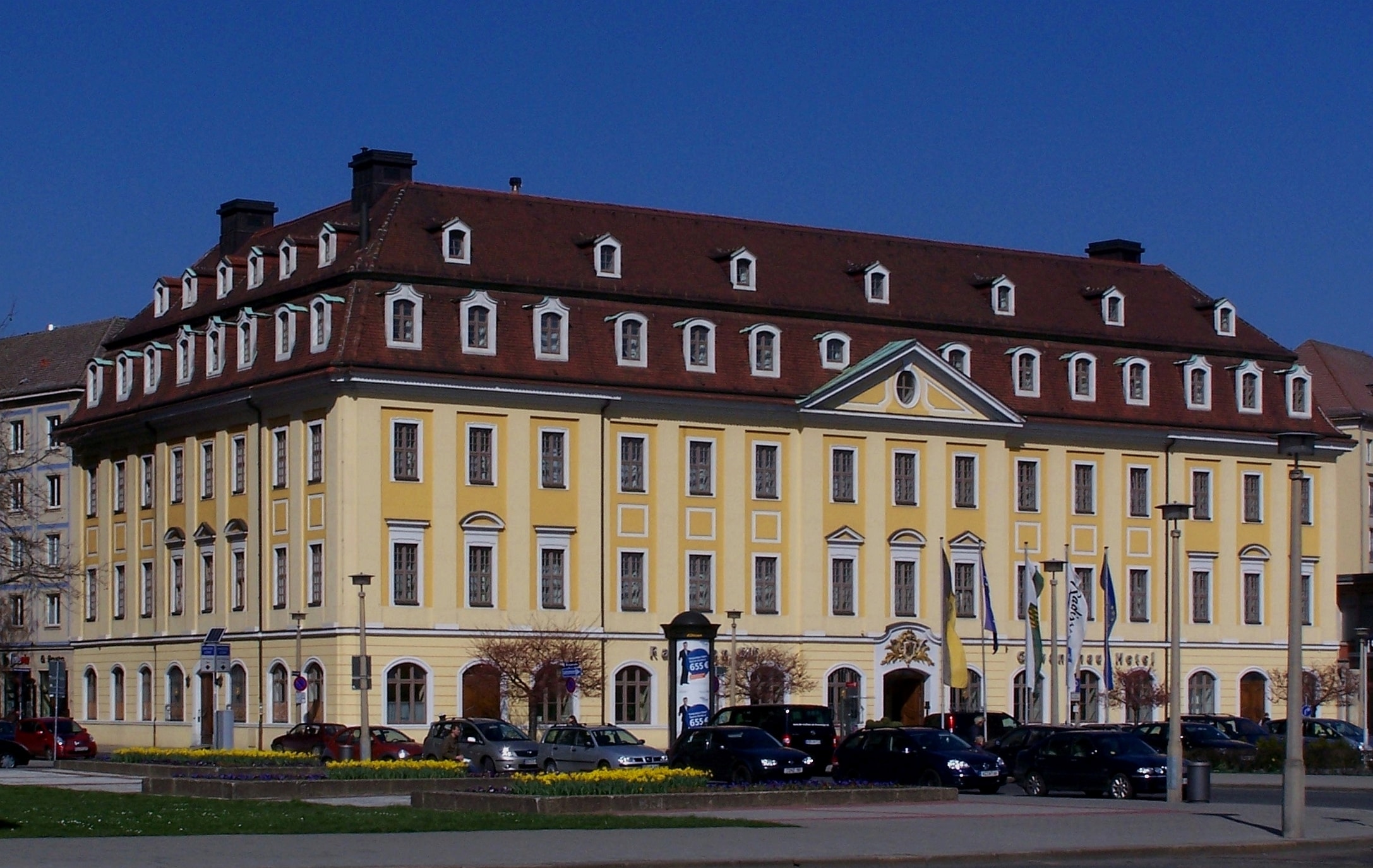
Dresden sits on the Elbe in eastern Germany, a city shaped by grand Baroque architecture, a wide river valley and a slower, more contemplative rhythm than many German capitals. For visitors, it tends to feel like a city of horizons: riverbanks that stretch into distance, palace gardens rolling up gentle slopes, and a centre where courtyards and arcades lead naturally from one landmark to the next.
Because the appeal of Dresden is as much about pace and setting as it is about specific sights, the most useful framing for planning is practical. Two things shape almost every decision here: what the weather is likely to let you do outdoors, and how easily you can move between the centre, the Elbe and the surrounding quarter. This guide focuses on exactly those two layers, using only what is documented for the city.
Weather and seasonal context
Germany uses the Euro, German is the spoken language, and the time zone is UTC+1. Dresden’s climate gives each season a noticeably different personality, so when to visit is really about what kind of experience you want.
The summer window of June through August is the warmest stretch, with typical daytime temperatures of around 18–26°C and long daylight hours that suit long outdoor days and extended riverside walks.
Outside of high summer, the shoulder months and winter each have their own rhythm. Cooler days favour shorter, museum-leaning itineraries, while the warmer stretches invite the kind of slow wandering the river city rewards. Because conditions can shift, layering is the safest habit, and pacing the day around the brightest hours typically makes the most of the light.
One of the city’s quiet pleasures is the Elbe itself. Cycling along the Elbe’s flood meadows is pleasant, and the Elberadweg, a long-distance cycling route that follows the river from its source in the Czech mountains all the way into Germany, passes directly through Dresden. That makes the river corridor a natural thread for any plan that includes fresh air.
Accommodation costs vary widely across the city. Typical ranges run from hostels around €20–€80, to mid-range hotels around €60–€150, and luxury hotels from €150 and up. These are reference points only; live rates and availability should be checked before booking.
Getting around
Dresden is compact enough that many trips can be planned on foot, but a few practical notes make the moving parts easier.
If you’re combining Dresden with other cities, the train is by far the most practical option. That single sentence often determines the shape of a wider itinerary, because rail links the city cleanly into the regional network without the friction of transfers.
For visitors arriving from outside the Schengen area, the EU’s new Entry/Exit System (EES) for non-EU arrivals is rolling out at Schengen borders, adding biometric registration at first entry. The practical effect is simple: build a little extra time into airport and land-border crossings while it beds in. That small buffer tends to be the difference between a calm arrival and a stressful one.
Within the city and its surroundings, the Elberadweg is worth keeping in mind not just for cyclists but for anyone who likes the idea of a flat, scenic route that doubles as a transport corridor along the river. For evenings and special occasions, the area around the Elbe palaces also hosts cultural events: Albrechtsberg palace near Dresden is illuminated by laser lights during the Night of Dresden Palaces Festival, which is a useful reminder that getting around can also mean a short evening walk along the riverbank rather than a long trip.
Choosing what fits the trip
For visitors who like to keep plans light and flexible, Dresden works well as a walk-and-ride city, anchored on a short river stroll, a single palace quarter loop, and one slower museum stop. Travellers who prefer a more active rhythm can lean on the Elberadweg for a half-day along the flood meadows, while those drawn to grand interiors may want to centre the trip on the palace quarter and let the river be a backdrop rather than the main act. The train-first advice matters most for anyone stitching Dresden into a longer multi-city route, since rail is the most practical way to connect here.
A note before you go
Currency exchange rates move constantly and the figures in any guide should be treated as a reference only; check the live rate before exchanging money. Factual travel conditions can change, from border procedures to seasonal event schedules, so official channels should be checked closer to departure for anything that affects timing, entry or bookings.
Share this article
TOOLS FOR THIS PLAN
Make the Dresden plan measurable
Choose a tool only when it answers the next question in your trip. Your values stay in the browser, and each tool offers a route back to this planning context.