Dublin in July at a Glance

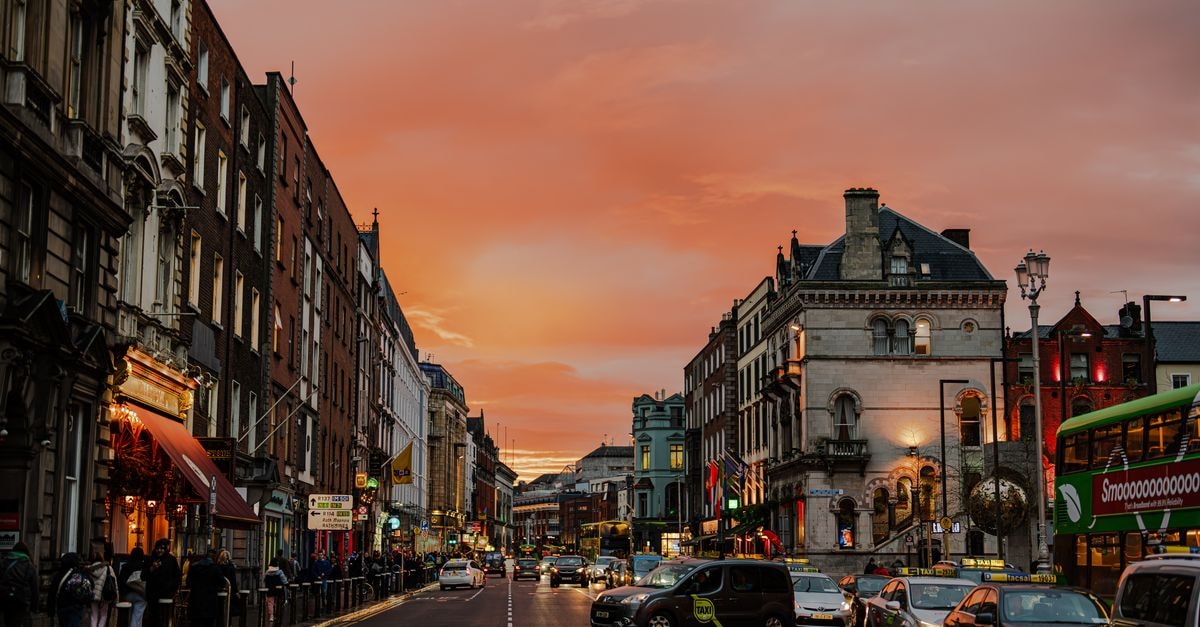
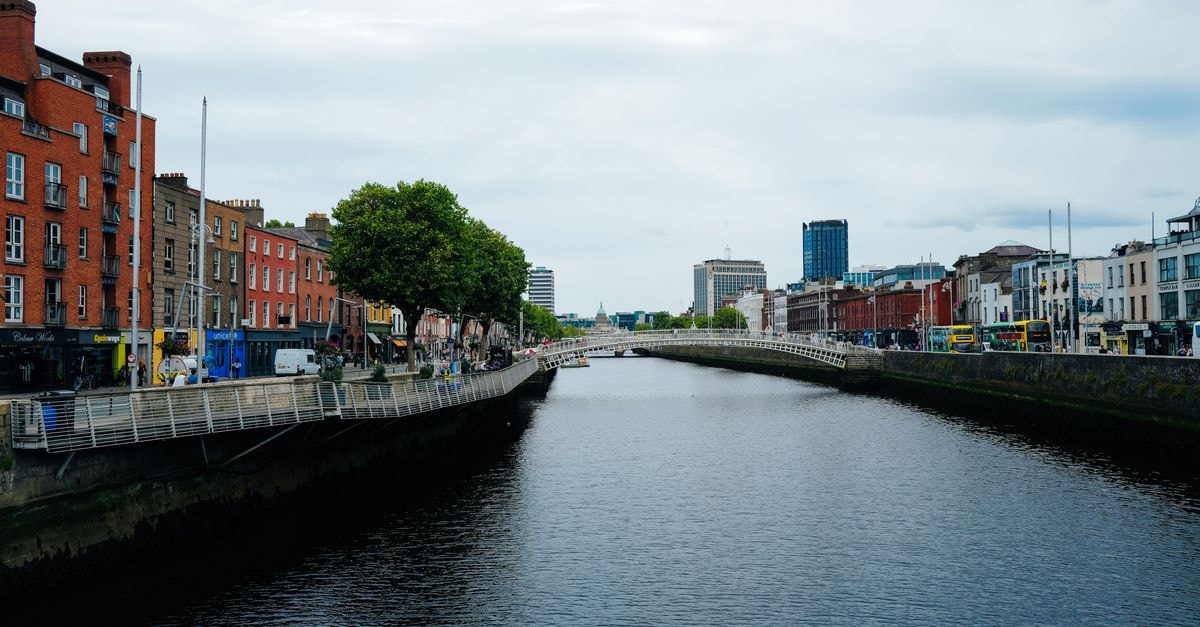
This Dublin travel guide opens with a snapshot of Ireland's compact, walkable capital. Dublin mixes 18th-century Georgian streets, Viking-era history and a literary heritage the city has held since being designated a UNESCO City of Literature. The River Liffey runs through the centre, and most major sights sit within a short stroll of each other, framed by Dublin Bay and the Dublin Mountains beyond. July is the busiest month, attracting both international visitors and domestic travellers, which means longer opening hours, lively outdoor terraces, a packed cultural calendar, and a clear need to plan ahead for accommodation and tickets.
Dublin in July: Weather and Daylight
July is Dublin's warmest month on average, but it is not reliably sunny. The long-term average temperature sits at 15.4°C (59.7°F), with about 56.2 mm of rainfall spread across roughly 17 days in a typical July (Met Éireann data, as cited by The Irish Road Trip). TripSapien's July 2026 outlook puts average daily highs near 19°C (67°F) with around 11 rainy days through the month. Both sources agree on one constant: rain can fall on any day, so pack a light waterproof layer rather than relying on a forecast.
Daylight is generous. Sunrise is around 05:01 and sunset around 21:56, giving you roughly 16.3 hours of usable daylight (TripSapien). That leaves plenty of room for a morning walking tour, a museum in the afternoon, and an outdoor gig or pub garden in the evening.
Getting There and Getting Around
Dublin Airport sits about 10 km north of the city centre. A taxi typically costs €30-€40 and takes 30-45 minutes. Aircoach and Dublin Express buses each charge €9 one way and €12 return; Aircoach serves the city centre, Ballsbridge, Leopardstown and some southern suburbs as far as Greystones in Wicklow, while Dublin Express runs along the River Liffey to Heuston Station. Dublin Bus routes 16, 19 and 41 connect the airport to the city for €1.50-€2.60, with route 41 running 24 hours a day (Visit Dublin).
If you arrive by ferry, Dublin Bus route 53 runs hourly from 7 am to 7 pm most days (shorter hours on Sundays) for €1.50-€2.60, and Stena Line runs a €3 shuttle timed with ferries. The Luas Red Line tram stops at The Point, linking the port area to the city centre, Smithfield and Heuston Station. Dublin has two main intercity rail terminals, Connolly and Heuston, both served by the Luas Red Line and Dublin Bus.
For moving around the city, the most flexible option for visitors is the TFI Leap Visitor Card, which offers unlimited travel on Dublin Bus, Go-Ahead Ireland, Luas, DART and Commuter Rail for your selected period (Transport for Ireland). The TFI Live App can help plan journeys across the network.
Sights and July 2026 Events
Dublin's essential stops include the Book of Kells Experience and the Old Library at Trinity College, the Guinness Storehouse at St James's Gate, and the Jameson Distillery Bow St. Strong supporting choices are Kilmainham Gaol, EPIC The Irish Emigration Museum, the GPO Museum, the National Gallery of Ireland, St Patrick's Cathedral, the National Botanic Gardens and the Little Museum of Dublin. Hidden-gem options include MoLI – Museum of Literature Ireland, 14 Henrietta Street, the Irish Rock 'N' Roll Museum Experience and Windmill Lane Recording Studios.
July 2026 is unusually busy on the cultural calendar. Highlights currently listed include:
- **Live at The Iveagh Gardens 2026** (Thu 2 – Sat 18 Jul, Iveagh Gardens) – live music festival - **Coastival 2026** (Sat 4 – Sun 12 Jul, various locations) - **Dublin Horse Show 2026** (8–12 Jul, Royal Dublin Society) – show jumping and equestrian event - **Songs That Shaped the World** (Thu 9 Jul, 20:00, National Concert Hall) - **Late Night Station** comedy (Tue 7 – Sat 11 Jul, The New Theatre) - **Legally Blonde** the musical (Tue 7 – Sat 18 Jul, Bord Gáis Energy Theatre) - **An Ideal Husband** by Oscar Wilde (until Sat 11 Jul, Gate Theatre) - **The Whiteheaded Boy** at the Abbey Theatre (Wed 10 Jun – Sat 25 Jul) - **Trinity Trails Literary Walking Tour + Oscar Wilde Theatre Show** (Wed 17 Jun – Sun 26 Jul) - **Dublin Pride 2026** (18–26 Jul) – parades, parties and performances across the city - **Riverdance 30 – The New Generation** (10 Jul – 1 Aug, Gaiety Theatre)
Dublin City Council is also running **Summer in Dublin** (Thu 16 Jul – Sun 9 Aug), a free weekend programme of street performance, themed zones (Blossoms & Bees 4–5 Jul, Circus in the City 11–12 Jul, Alice in the City 18–19 Jul, Hearts and Crafts 25–26 Jul, Wellness World 1–2 Aug, Playtime on Parliament Street 8–9 Aug), plus free fashion shows on O'Connell Street and Suffolk Street (Dublin Town).
Where to Stay and Booking Pressure
July is Dublin's peak accommodation month. Visit Dublin recommends booking hotels at least three months in advance for summer visits, especially if you want specific neighbourhoods or properties. The same applies to tickets for major live gigs and Michelin-starred restaurants, which can sell out well before your travel dates. If you are visiting over a festival weekend such as Dublin Pride 2026 or the Dublin Horse Show (8–12 Jul), booking even earlier is wise.
The city centre and Temple Bar put you within walking distance of most sights but tend to be the priciest in July. Neighbourhoods like Ballsbridge, Stoneybatter, Portobello and the Docklands can offer better value with quick Luas or DART links into the centre.
Tickets, Reservations and Timed Entry
Visit Dublin sets out a clear booking timeline that maps neatly onto July:
- **Three months before** – book accommodation (especially in summer), major live gigs, and any Michelin-starred restaurant tables. - **Up to three weeks before** – book theatre tickets, weekend reservations at popular restaurants, and timed-entry tickets such as Kilmainham Gaol. - **A week before** – make weekday restaurant reservations, and book guided tours and tickets for major attractions including the Guinness Storehouse, the Book of Kells Experience, and distillery tours.
Treat the Book of Kells Experience, Kilmainham Gaol and the Guinness Storehouse as timed-entry essentials in July. Popular evening events such as Live at The Iveagh Gardens and theatre runs at the Gaiety, Gate and Abbey should also be booked well ahead.
Travel Costs and Sample Budgets
My Ireland Tour's 2026 sample budgets for a week in Ireland give a useful reference frame, with the original per-profile scope preserved:
| Profile | Accommodation (6 nights) | Food & Drink (7 days) | Transport | Attractions (5 visits) | Total per person | | --- | --- | --- | --- | --- | --- | | Budget solo (hostel, self-cater, bus) | €210 | €147 | €75 | €62 | €494 | | Mid-range couple (B&B, mix dining, car rental) | €330 | €266 | €322 | €90 | €1,008 | | Family of four (hotel, dining out, car rental) | €240 | €336 | €133 | €60 | €769 | | Luxury couple (4-star hotel, fine dining, driver) | €480 | €560 | €700 | €100 | €1,840 |
Adult admission to headline Dublin attractions in 2026 is set at €26 for the Guinness Storehouse, €18.50 for Trinity College (Book of Kells), and €10.50 for Christ Church Cathedral, with reduced rates for children and seniors (My Ireland Tour). Separate industry estimates put Dublin daily spending at €70-€95 per day for budget travellers, €160-€220 for mid-range visitors, and €300+ for luxury stays (Machu Picchu.org).
Flights are not included in these figures and depend heavily on your point of origin, so check live prices for your specific route.
Currency, Payments and Safety
The Republic of Ireland uses the euro. Contactless card payment is widely accepted, but small pubs and outdoor markets may still prefer or require cash, so keep a small float on hand. Northern Ireland uses pounds sterling, which can catch out travellers crossing the border. Any exchange rate figures shown are a reference only – confirm the live rate with your bank or a reputable exchange before travel.
The US State Department's current Ireland advisory (issued 20 March 2026) is Level 1: Exercise Normal Precautions. Petty crime such as pickpocketing and purse snatching is the main concern, particularly in popular tourist locations, and Temple Bar and other nightlife areas can attract opportunistic theft after dark. Drivers should remember that traffic drives on the left. The advisory also reminds travellers that the cash entry and exit limit is €10,000 (about USD 11,671).
Public healthcare requires EU visitors to carry an EHIC, while non-EU visitors should arrange comprehensive travel insurance (Machu Picchu.org).
Local Dishes, Pubs and Food Markets
Dublin's food identity runs from centuries-old working-class dishes to a contemporary fine-dining scene. Traditional staples to look for include Dublin coddle (pork sausages, back rashers, potatoes and onions slow-cooked in stock), bacon and cabbage, Irish stew, boxty, colcannon, brown or soda bread, fish and chips, cockles and mussels, and ham-and-cheese toasties. Dublin Bay prawns (langoustines) and smoked salmon are local strengths, and seafood chowder with brown bread is widely available.
The full Irish breakfast (sausages, rashers, black and white pudding, eggs, grilled tomato and soda bread) is served in most cafés until midday; quality varies, so ask locally for a recommended spot.
For fine dining, look to Michelin-recognised kitchens such as Chapter One, The Greenhouse, Dax and Forest Avenue. Independent neighbourhood restaurants cluster in Portobello, Ranelagh, Phibsborough, Stoneybatter and the Docklands.
Pubs are part of the cultural offering, not just a place to drink. The Brazen Head is Dublin's oldest, with rich wood interiors, Victorian stained glass and regular traditional music. For food markets, the Temple Bar Food Market runs every Saturday and is a good place to sample Irish and international street food.
Tipping is more restrained than in the US: 10-15% is generous where service is good, no tip is expected at the bar unless you receive table service, and check the bill first in case a service charge is already included (Machu Picchu.org).
Before You Go
Festival schedules, ticket availability, attraction opening hours and prices can all change between now and July 2026, and Dublin weather conditions are inherently variable. Always confirm details with official operators, ticket agents and the latest Met Éireann forecast before you travel.
Prices, opening hours, schedules, reservation rules, and local conditions can change; verify them through official channels before departure.
Share this article
TOOLS FOR THIS PLAN
Make the Dublin plan measurable
Choose a tool only when it answers the next question in your trip. Your values stay in the browser, and each tool offers a route back to this planning context.