A first impression of Ghent

The experience leans into a layered appeal. Ghent is more than enough for a weekend escape, and the city mixes the sort of history that draws first-time visitors with the cultural texture that brings people back (F1-1). The result is a destination that feels both grounded and curiously under-discovered, with a creative energy unfolding alongside its medieval streets (F1-2). For travellers weighing options across Belgium, Ghent often feels like the choice that quietly outpaces expectations.
The medieval heart of the city
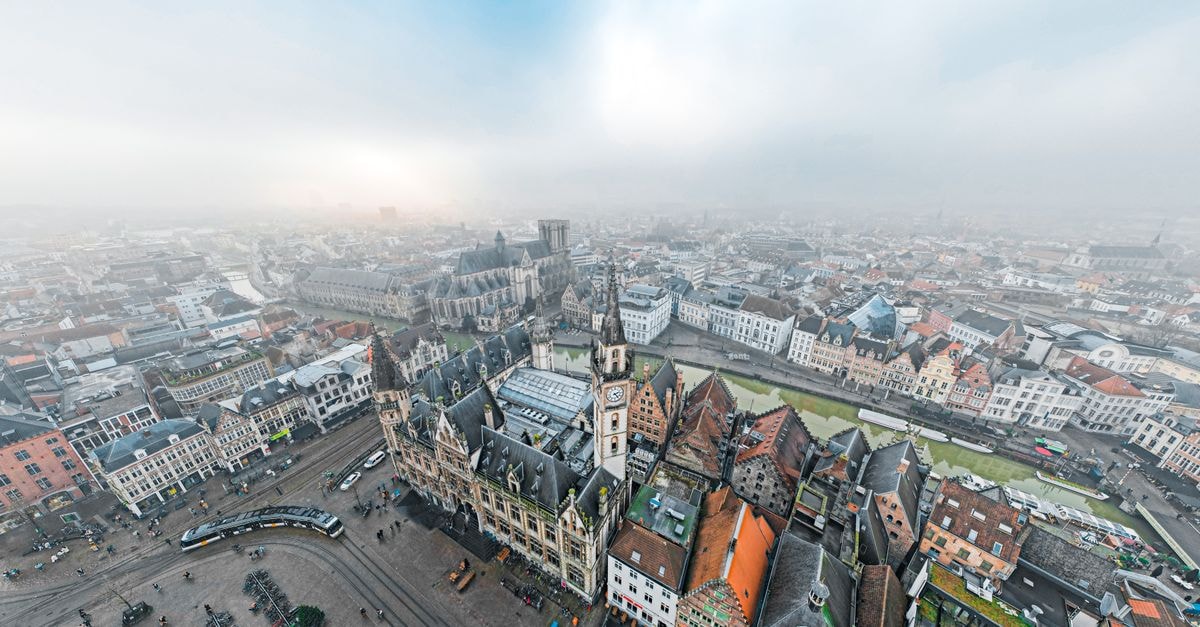
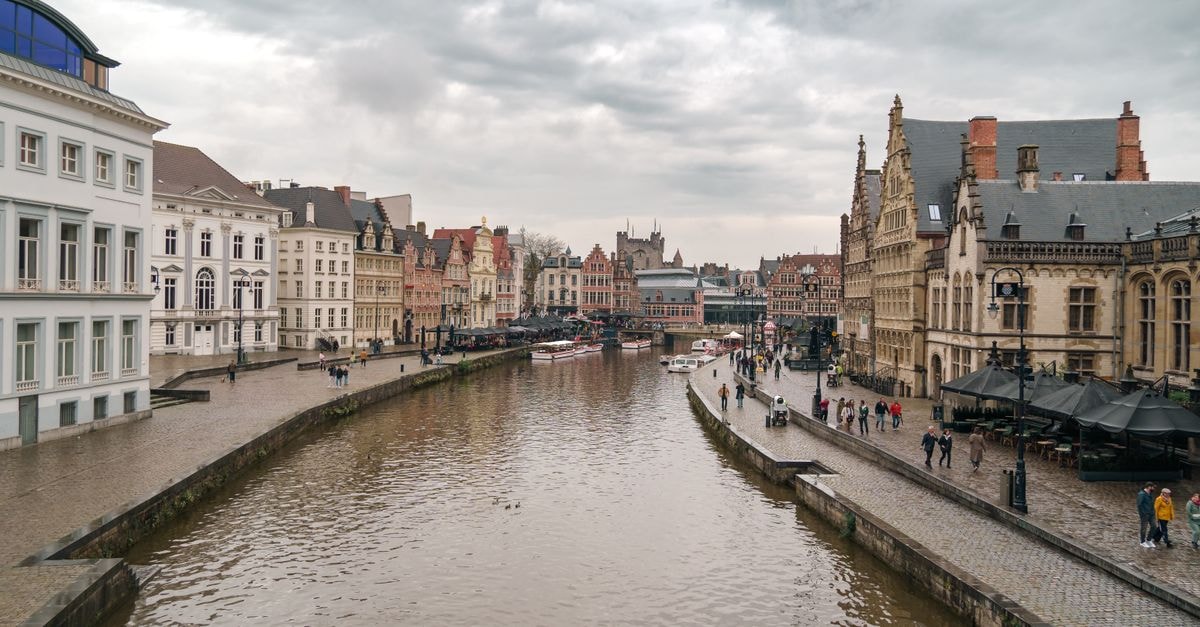
Ghent's centre is its defining feature, and it is built around remarkably preserved architecture, romantic canals that can actually be navigated, and a dense cluster of museums and art galleries (F3-1). The visual thread tying it together is the medieval core, where the most recognisable landmarks rise against the skyline. Among them, Ghent Cathedral, the Belfry, and Gravensteen Castle stand as the key structures that give the historic centre its character (F3-2).
These landmarks are not isolated monuments but rather the anchors of a walkable district where one sight spills naturally into the next. The Belfry in particular sits at the meeting point of the city's old walkways, while the canals offer a softer, slower perspective on the streetscapes. Together, they create the kind of place where a morning can pass without a fixed route, and the afternoon can shift easily into a quieter café or a riverside pause. The mix of religious architecture, civic towers, and a medieval castle gives visitors a strong sense of how the city grew into its current shape.
Getting around on foot and by water
The navigable canals add a second way to take in the city, complementing the pedestrian experience rather than replacing it. For travellers who like to see a place from more than one angle, combining a walking afternoon with a short canal crossing offers a fuller sense of how the medieval centre fits together. The compact geography of the core means that most of the headline landmarks sit within easy walking distance of each other, leaving more time for unhurried exploring rather than logistics.
Culture, history, and the living city
Beyond the stone and brick, Ghent is a place where cultural offerings feel woven into normal life. The city is described as a quirky, fascinating cultural cocktail brimming with rich history, culture, and a trendy city vibe (F1-2). That blend is part of what makes the destination feel less like a checklist and more like a place to settle into for a few days. Galleries, performance spaces, and creative neighbourhoods coexist with the older landmarks, giving the city a rhythm that shifts between energetic and reflective throughout the day.
The history is not something visitors have to seek out; it arrives in the architecture, the street layout, and the way the canals curve through the centre. Beautifully preserved medieval buildings form the backbone of the historic district, and the range of museums and art galleries adds depth for those who want to engage more actively with the city's past and present (F3-1). The result is a destination that feels both anchored in its history and open to contemporary culture at the same time, a balance that is not always easy to find in older European cities.
Planning a visit
For travellers considering a trip, Ghent presents itself as a city that fits comfortably into a short break. The destination is more than worth a weekend, with enough to fill a few days of unhurried exploring (F1-1). The walkable centre, the density of landmarks within a small radius, and the cultural layering make it a strong choice for a focused city escape rather than a sprawling itinerary.
The compact nature of the historic heart means visitors can plan around a few key anchors, including Ghent Cathedral, the Belfry, and Gravensteen Castle, and then let the rest of the experience fill in organically (F3-2). Because so much of the city's appeal sits in the simple act of walking through it, the most rewarding trips tend to leave room for the unplanned: a quiet square, a canal-side pause, a small gallery that catches the light just right. That approach pairs naturally with the city's own character, the kind of destination that has earned colourful nicknames as varied as the medieval Manhattan, the historic heart of Flanders, a city of all times, and Europe's best-kept secret (F2-1).
A note on facts and verification
Travel conditions can change, and details about opening hours, prices, transport, and events should always be checked through official channels closer to the date of travel. This guide is built around durable features of the city, its medieval core, walkable centre, and cultural character, rather than current conditions. For the most accurate and up-to-date information, visitors are encouraged to consult the official Visit Gent resources and Ghent's city communication channels before departure.
Share this article
TOOLS FOR THIS PLAN
Make the Ghent plan measurable
Choose a tool only when it answers the next question in your trip. Your values stay in the browser, and each tool offers a route back to this planning context.