A laid-back Adriatic welcome

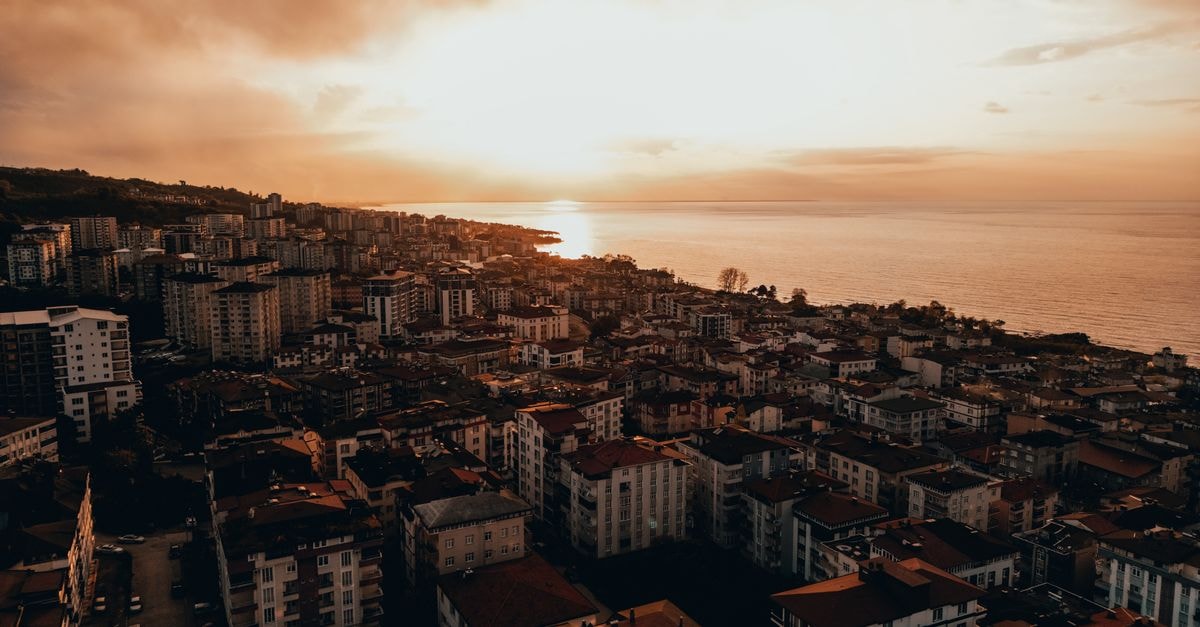
Durrës sits along the western coast of Albania, opening directly onto the Adriatic Sea, and is counted among the oldest and most important cities in the country. That combination — a working port town with deep antiquity underfoot and a long, modern shoreline at its edge — gives the city a particular rhythm. Mornings can feel quietly local, with the sea breeze carrying conversations between neighbors, while afternoons drift toward the water and the broad promenade that defines the town's beach culture. There's no need to rush between them. Durrës rewards the kind of traveler who likes a slow swim, a long lunch, and an unhurried stroll past a Roman amphitheater before dinner.
The shoreline and the pull of the sea
The coastline is one of the city's defining features. Durrës Beach is described as one of the most interesting, largest, and most modern beaches in Albania and more widely, and it functions almost as the town's living room. Because Durrës Beach is located very close to Tirana, the beach represents a quick and convenient choice where people go to relax — and that ease of access shapes the atmosphere. It can feel like a place where city dwellers come to exhale, with families, friends, and weekend visitors flowing in and out along the shore.
If you're staying for a few days, the beach is best treated as a daily ritual rather than a single checkbox: a stretch of sand in the morning, a swim in the warmer part of the day, and a sunset walk along the water when the light softens. The scale of the beach means there's usually room to find your own pocket of sand, even on busier days. Bring layers if you're planning a long evening by the water — the Adriatic breeze cools noticeably once the sun dips.
Getting in and getting around
The Tirana–Durrës connection is one of the most familiar routes in Albanian daily life. It's a drive that locals treat as part of the rhythm of the week — the weekend beach run, the summer escape when the heat becomes heavy inland, and the quick visit when friends or family are along the coast. That familiarity is useful for visitors: the road is well traveled, signage is generally straightforward, and the journey is short enough to be done casually rather than as a major expedition.
Once you're in Durrës, the town itself is organized around its beach culture, which makes orientation intuitive. The shore, the promenade, and the older parts of the city pull naturally together, and much of what most travelers come for sits within walking distance of the waterfront. Parts of Durrës are attractive and well maintained, giving the central areas a tidy, cared-for feel that makes wandering on foot genuinely pleasant. Comfortable shoes are enough for most days; the terrain is flat and the distances between the beach, the port area, and the main historical sites are modest.
Layers of antiquity under the modern town
What makes Durrës quietly extraordinary is what's beneath and beside it. The city lies directly above the ancient ruins of Epidamnus, meaning that the modern streets and the Adriatic shoreline are layered over one of the oldest urban foundations in the region. This isn't ancient history confined to a museum — it's a place where the past sits close to the surface of daily life.
The standout monument is the Durrës Amphitheater, one of the most important and largest historical monuments of antiquity in Albania and the wider Balkan region. Even if you've seen other Roman amphitheaters across the Mediterranean, the setting here feels distinctive: a vast stone curve set into the fabric of a working coastal city. Take time with it. The scale registers gradually, and the acoustics still carry a whisper across the tiers. It's the kind of site that benefits from a slow, unhurried visit — ideally outside the hottest part of the day, with a pause afterward at a nearby café to let the impression settle.
Pairing the amphitheater with a walk through the older parts of town, where the ancient grid of Epidamnus still subtly shapes the streets, gives a fuller sense of how old Durrës really is. The combination of a morning at the ruins and an afternoon on the sand is one of the most natural ways to spend a day here — it captures both the depth and the ease of the city in a single, unrushed loop.
Practical rhythm for a Durrës visit
Because Durrës Beach is so closely tied to Tirana as a quick getaway, it works beautifully as either a standalone base or a short coastal break from the capital. The most relaxed approach is to keep plans loose: anchor each day around either the beach or a historical site, and let the rest unfold along the promenade and through the old town. The flat terrain and compact layout make it easy to wander without a fixed schedule.
A few grounded notes for planning:
- Footwear: comfortable walking shoes handle the central areas and the amphitheater approach without trouble. - Timing: mornings and late afternoons are the most comfortable for the historical sites; the middle of the day belongs to the water. - Pace: because the town is small and the attractions cluster near the coast, there's no need to backtrack across the city more than once a day.
Durrës doesn't demand a packed itinerary. Its appeal lies in the contrast — a modern Adriatic beach town layered over one of the oldest urban footprints in the region, all within an easy ride of Tirana. Give it that pace, and the city opens up in its own time.
A note before you go
Travel conditions can shift: transport schedules, ticketing details, and on-the-ground access to historical sites may change between research and your actual visit. Always cross-check current arrangements through official channels before you travel, and confirm opening hours and any entry requirements directly with local sources. Prices, where relevant, should be treated as a planning reference only — the live rate and current fees may differ by the time you arrive.
Share this article
TOOLS FOR THIS PLAN
Make the Durrës plan measurable
Choose a tool only when it answers the next question in your trip. Your values stay in the browser, and each tool offers a route back to this planning context.