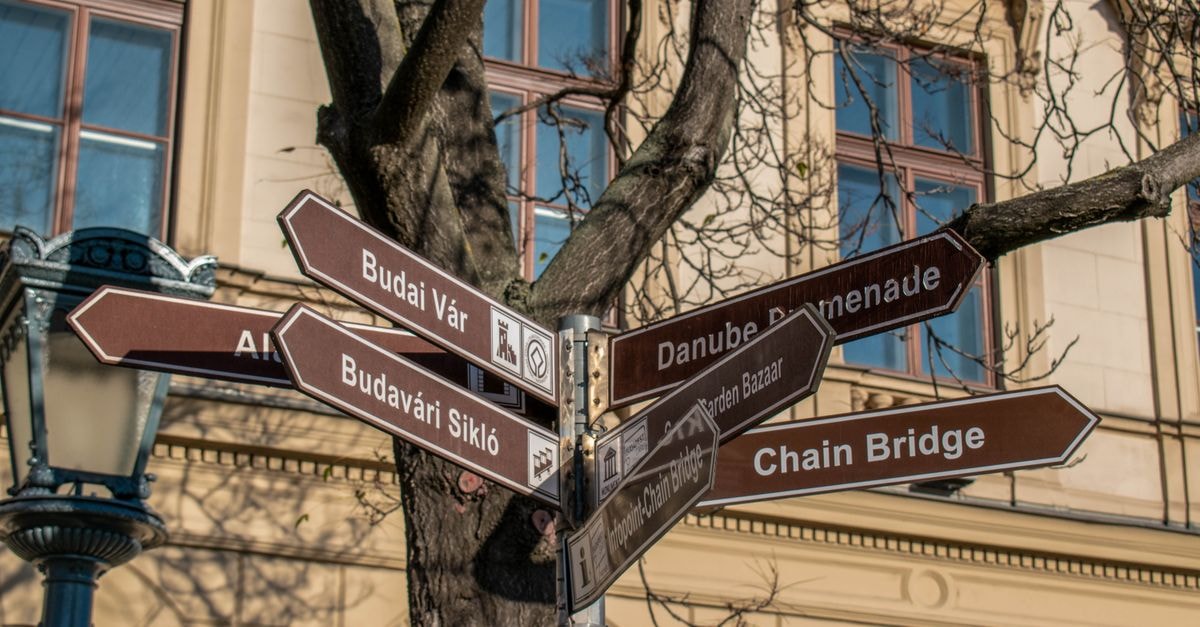
A gentle introduction to Utrecht

There is a particular kind of calm that settles over Utrecht the moment you step away from the train station and into its medieval streets. Cyclists drift past in soft loops, church bells echo off old brick, and the canals seem to slow the pace of every conversation. Often described as a cozier alternative to a larger Dutch capital, Utrecht has the same lively café culture, museum depth and canal scenery as its famous neighbor, but threaded through a smaller, walkable core that rewards unhurried exploration. This Utrecht travel guide is for travelers who prefer lingering over ticking boxes — the kind of visitors who want to know what the city feels like, how to move through it comfortably, and where the everyday rhythm of canal life actually unfolds.
Getting around on foot, by bike and along the canals
One of the first things visitors notice is how compact and readable the city feels. The historic center is built around a centuries-old canal system, and many of the most evocative moments happen simply by walking along the water. Utrecht's official city guide points to exactly this kind of layered exploration: getting around by bike, on foot, or along the centuries-old canals, which are as much a transport network as they are a scenic backdrop. Cycling lanes thread through nearly every neighborhood, and the flat terrain makes it easy for visitors to join the locals on two wheels without much adjustment time.
The defining waterway is the Oudegracht, a curving canal that runs right through the heart of the old town. Its distinctive wharf cellars — lower-level rooms and terraces tucked into the canal walls — give the waterfront a layered, almost secret feel. Strolling along the Oudegracht and dipping down into these wharves is one of the most enjoyable things to do in Utrecht, especially in the late afternoon when café tables fill with golden-hour light. Above it all rises the iconic Dom tower, which acts as a natural orientation point: whenever you feel a little turned around, simply look up.
For travelers who like to think in terms of pace, the easiest mental map is a small triangle: canal-side walking in the center, bike rides outward into leafy neighborhoods, and short tram or bus rides for the longer stretches. Utrecht is the fourth-largest city in the Netherlands, but its center is intimate enough that you can comfortably wander without a strict plan, while still having reliable public transport within reach when you want it.
What to see and how to plan your days
Utrecht's appeal sits in the balance between its old architecture and its active contemporary life. The same official regional description that calls the city vibrant also notes that history and modern culture seamlessly blend, which is a useful frame for planning: you don't have to choose between museums and canal strolls, because the city naturally mixes the two. Remarkable historical buildings — including landmarks clustered around the Dom tower — share the skyline with contemporary cafés, design shops and cultural venues, so a single wandering afternoon can easily move from a medieval church square to a modern gallery.
A loose, friendly rhythm works well here. One of the most rewarding things to do in Utrecht is to build a day around a few anchors — perhaps a slow walk along the Oudegracht, time in one of the city's parks, and a museum visit — and then leave generous gaps for canal-side terraces and unexpected detours. The city is built for this kind of loose schedule: compact enough that no single sight requires a full day, but layered enough that you keep discovering small streets, courtyards and bridges.
If you are visiting during a long, light-filled stretch of the year, the seasonal mood tends to spill outdoors. Canal-side cafés and parks fill up, and the waterways themselves become a social space again, with boats and small craft drifting past the wharves. Festivals and weekend events tend to cluster around the central squares and along the water, giving even a casual visit a sense of occasion. These shifting rhythms are part of why a Utrecht travel guide written for slow travelers tends to emphasize flexibility over fixed itineraries.
Weather and what to expect day to day
Weather in Utrecht tends to be and changeable rather than extreme, and a typical visit can include both bright outdoor hours and softer, overcast moments. Rainfall is spread across the year, and it is entirely normal to experience a mix of dry spells and wet days during a stay. The practical mindset locals themselves adopt is simply to dress in layers and keep a compact waterproof close at hand — a light rain jacket or a folding umbrella is more than enough to stay comfortable through a passing shower.
Because conditions can shift between sunny stretches and quick rain, pacing the day gently tends to work better than overloading it with outdoor plans. A walk along the canals can pair naturally with time indoors in a museum, café or historic building, which gives you a comfortable fallback if the sky turns grey. Temperatures are generally mild, and the city's many terrace spots, parks and shaded wharves make it easy to enjoy outdoor moments whenever the weather cooperates. For slow travelers, the most useful habit is to check the forecast the morning of each day and let the light, rather than a checklist, decide the order of your plans.
Slow-travel rhythm and practical mindset
Utrecht rewards a particular kind of traveler: someone who is happy to sit with a coffee by a wharf for an hour, who enjoys watching cyclists navigate tiny bridges, and who treats the city as a place to feel rather than to conquer. Because the center is compact and well connected on foot and by bike, you don't need to budget for taxis or frequent transit — walking and cycling will carry you through most of what you came to see. When you do want a rest, ducking into one of the lower wharf cafés along the Oudegracht feels almost like stepping into the city's living room.
For independent travelers planning a first visit, the simplest approach is to choose a home base in or near the old center, spend at least one full day exploring the canal belt on foot, and use bikes for a second day that reaches further into the parks and surrounding neighborhoods. Leave room in the middle of the day for a long lunch, because the café and restaurant culture here treats meals as part of the experience rather than a pause from it. With that gentle structure, even a short stay starts to feel like a proper Dutch rhythm.
A short verification note before you go: while the practical advice in this guide is built around durable city characteristics, specific opening hours, event calendars and seasonal programming can change from year to year. Before traveling, it is worth checking official city and regional sources for the latest information on museums, transport passes, festivals and any weather-related advisories, so your plans reflect the city as it is on the day you arrive.
Prices, opening hours, schedules, reservation rules, and local conditions can change; verify them through official channels before departure.
Share this article
TOOLS FOR THIS PLAN
Make the Utrecht plan measurable
Choose a tool only when it answers the next question in your trip. Your values stay in the browser, and each tool offers a route back to this planning context.