Why Visit Eger

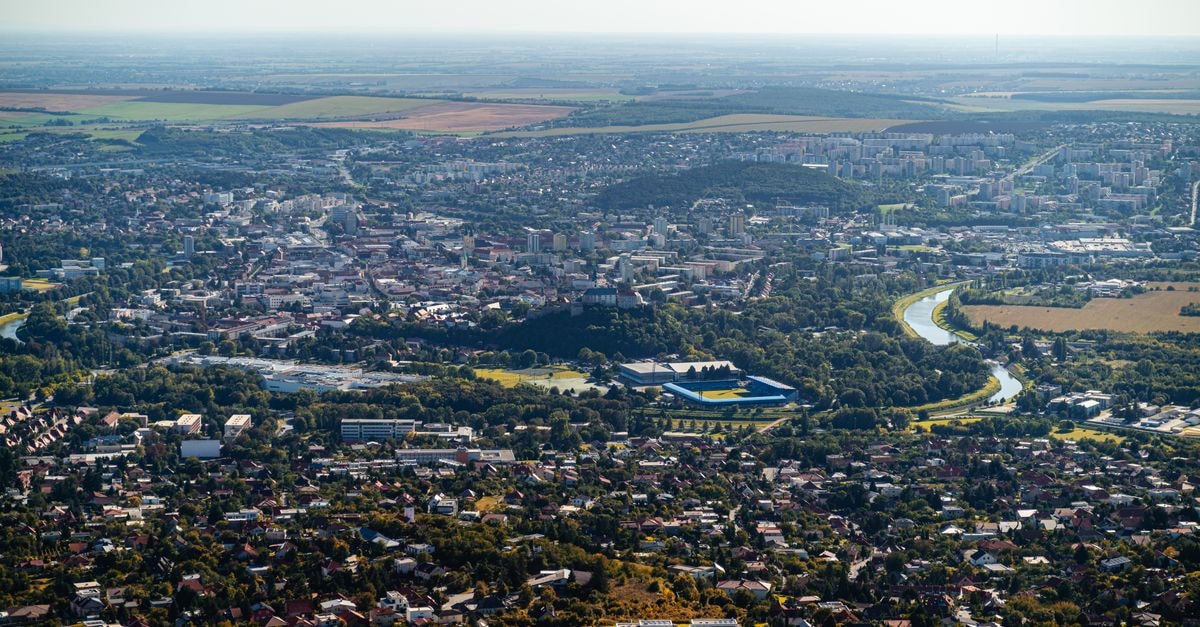
Eger is a compact baroque city in northern Hungary, set between the Bükk and Mátra mountains, and most famous for two things: the 1552 castle siege against the Ottomans and the deep red Egri Bikavér (Bull's Blood) wine poured from barrels in the Szépasszonyvölgy cellars. With roughly 53,000–56,000 residents, it feels small enough to explore on foot in a couple of days, yet dense enough in castles, churches, Ottoman ruins and thermal baths to rival a much bigger city.
July sits at the heart of Eger's high season. It is the warmest stretch of the year for outdoor sightseeing and thermal bathing, but it is also when domestic and international visitors flock in for summer wine events and the long daylight hours. Expect bigger crowds around the castle and the Valley of the Beautiful Women, fuller hotel lists, and prices at the top of the year's range. Travelers planning around July should book accommodation and any cellar tours well ahead, especially for weekends.
July Weather and Seasonality
July brings the warmest, busiest stretch of the year. Travel guides consistently flag July and August as peak tourism months with higher prices and crowded sites, while April–June and September–October are the quieter, milder windows. If you are coming in July specifically, plan for hot afternoons, occasional late-day storms, and the energy of the summer festival calendar rather than the calmer harvest-time atmosphere September brings. Bring sun protection and a light layer for cooler evenings, and schedule thermal-bath time either early morning or after dusk to dodge the worst heat and the busiest families.
Getting to Eger from Budapest
Eger lies about 130 km northeast of Budapest, and three reliable routes connect the two cities.
By train: Direct trains depart Budapest's Keleti station roughly once an hour; the journey takes around 1.5 to 2 hours. Wikivoyage notes that the odd-hour departures are direct, while even-hour services usually require a transfer at Füzesabony. A 2026 budget source cites train tickets around 3,000–4,000 HUF one way, while Frommer's lists 2,290 HUF for second class and 2,870 HUF for first class on direct services. Tickets are sold via MÁV.
By bus: Volánbusz runs frequent services from Budapest's Stadion bus station to Eger; journey time is about 2 to 2.5 hours, with one departure taking the motorway (around 2 hours) and the slower service on local roads (around 2.5 hours). Buses are usually slightly cheaper than trains, and tickets can be bought at the station or online.
By car: The drive via the M3 motorway to Füzesabony, then Route 25 north, takes around 1.5 to 2 hours. Rental cars require a Hungarian motorway vignette. Eger has central parking, but check with your accommodation first if driving in during a festival weekend.
Getting Around Eger
The historic core is compact and walkable, with cobblestones that punish high heels but reward comfortable shoes. The train station sits about a ten-minute walk or short taxi ride from the center; the bus station is right behind the Basilica, so even arrivals with luggage rarely need a taxi to reach central hotels. Local buses (lines 10, 11, 12) connect the station area with the center. For Szépasszonyvölgy (the wine-cellar valley), the easiest option is a short taxi ride or the occasional tourist tram from the city center, which Wikivoyage lists at 1,200 HUF each way (a June 2023 figure that may have changed). Frommer's notes a taxi from the station to a central hotel should not cost more than about 1,000 HUF.
Top Things to Do
Eger Castle (Egri Vár) is the city's defining landmark. The hilltop fortress is where, in 1552, Captain István Dobó and roughly 2,000 defenders held off an Ottoman army of around 40,000 for 38 days. Today's complex includes underground casemates you can walk through, the Heroes' Hall lined with the names of the defenders, the Bishop's House with Roman and medieval finds, and panoramic views over the city and vineyards. Re-enactments and cannon firings are staged in summer.
The Eger Minaret is the northernmost surviving Ottoman minaret in Europe, a 40-metre tower left from the 91 years of Turkish rule after the castle fell in 1596. Climbing the narrow stairs rewards you with one of the best city panoramas. Entry is around 600 HUF according to a 2026 budget guide.
The Eger Basilica (Cathedral of St. John the Apostle) is Hungary's second-largest church, with a grand dome and neoclassical lines; the exterior and surrounding streets are worth a slow stroll even if you skip the interior.
Thermal baths: Eger has both a historic Turkish Bath and the modern Eger Thermal Bath, with pools, saunas and slides. The town's curative waters range from 28 to 68°C, making them usable in any season.
Other sights worth a stop: the Lyceum library with its camera obscura and trompe-l'œil ceiling; the Kopcsik Marzipan Museum; the Beatles Museum; and Dobó Square, the heart of the old town.
Wine Tasting in the Valley of Beautiful Women
Szépasszonyvölgy is a natural horseshoe-shaped basin on the city's southwest edge, lined with about 50 cellars cut into volcanic tuff. This is where you taste Egri Bikavér (Bull's Blood) at its source, poured straight from the barrel. A 2026 wine-tasting guide puts tasting costs at roughly 2,000–5,000 HUF per person, often including several samples, and MapSorted notes individual glasses poured from the barrel for about 200–400 HUF. You can also try Egri Csillag (a fresh white blend) and Egri Leányka (an aromatic white). Many cellars offer small food plates, and the cellars stay open into the evening, with live music in summer. Reserve ahead for popular cellars on weekends and during festivals.
Where to Stay and Book Early
July is high season, and a 2026 budget guide warns that accommodation prices rise in peak summer months, recommending spring or fall for better deals. Book ahead, particularly for weekends and any festival period.
Luxury: Hotel Eger & Park (full spa with thermal pools and wine-therapy treatments) and Imola Udvarház, a boutique property in a restored 18th-century building. Imola Hotel Platán is another spa option.
Mid-range: Senator-Ház and Hotel Korona are centrally located; Expressz Hotel offers a more modern stay near the center.
Budget: Eger Hostel has dormitory beds from around €15–€25; private rooms in guesthouses typically run €30–€50, with Kulacs Csárda Panzió a family-run option that includes a traditional restaurant. Staying near Dobó Square keeps you walking distance from most sights.
Eating and Drinking
Eger's food scene is built around hearty Hungarian classics and local wine pairings. A 2026 food guide recommends trying goulash, halászlé (paprika-rich fisherman's soup), túrós csusza (cottage-cheese pasta with bacon), csirkepaprikás with nokedli dumplings, lángos from street vendors near the castle, and the savory Hortobágyi Palacsinta (meat-filled crepes with paprika sauce). For dessert, look for Somlói Galuska (layered sponge with rum, walnuts and chocolate sauce), rétes (strudel with apple, cherry or poppy-seed fillings) and kürtőskalács (chimney cake), typically 1,500–2,500 HUF at vendors.
Main courses in local csárdas and restaurants usually run 2,500–4,500 HUF, and a glass of local wine in a restaurant is typically 500–1,000 HUF.
For a sit-down meal with regional wine pairings, two Eger guides both flag Senator-Ház Étterem as the elegant choice in a historic 18th-century senator's house; book ahead on weekends. Macok Bisztró and Fehér Szarvas Vadásztanya (game-focused) are the upscale alternatives. For casual, walk-in dining with wine tastings side by side, head straight to the cellars of Szépasszonyvölgy.
Etiquette: tipping 10% is standard in sit-down restaurants if service isn't already included; round up taxi fares. Toasting is part of the wine culture; the local "cheers" is Egészségedre.
Costs, Currency and Saving Tips
Hungary's currency is the Hungarian forint (HUF). Cards are widely accepted in hotels, restaurants and shops, but smaller vendors and many wine cellars still prefer cash, so carry some forint for tastings, taxis and any small purchases. ATMs are easy to find in the center. If your home bank needs travel notifications, set those up before departure.
Live exchange rates move constantly; treat any HUF figure you read as a reference, not a fixed price, and check the current rate before converting budgets. Avoid tourist kiosks with poor rates; bank ATMs or official exchange offices give better deals.
For rough daily budgeting, a wine-focused cost calculator in the evidence suggests about Ft36 for backpacker budgets up to Ft180 for luxury days, with mid-range around Ft71. A separate guide anchors a typical mid-range day at around $90. Either way, July pricing sits at the top of these ranges.
Safety and Practical Tips
Eger is generally safe. As in any busy tourist town, watch for petty theft such as pickpocketing in crowded squares, on public transport and around the wine-cellar valley at peak evening hours. Use normal travel caution with ATMs and cards, and avoid poorly lit isolated streets late at night. EU emergency services can be reached by dialing 112; local police 107; ambulance 104. Keep passports and valuables secured in your hotel safe.
Practical extras: opening hours shrink outside the central tourist area, with many smaller shops closing for a lunch break or on Sundays. English is widely spoken in tourist venues, but a few Hungarian phrases (köszönöm, thank you; egészségedre, cheers) go a long way. Driving after wine tasting is a hard no; plan on a taxi or the tourist tram back from Szépasszonyvölgy.
Factual travel conditions can change. Check official sources for transport schedules, opening hours, ticket prices and any festival-specific updates before you depart.
Share this article
TOOLS FOR THIS PLAN
Make the Eger plan measurable
Choose a tool only when it answers the next question in your trip. Your values stay in the browser, and each tool offers a route back to this planning context.