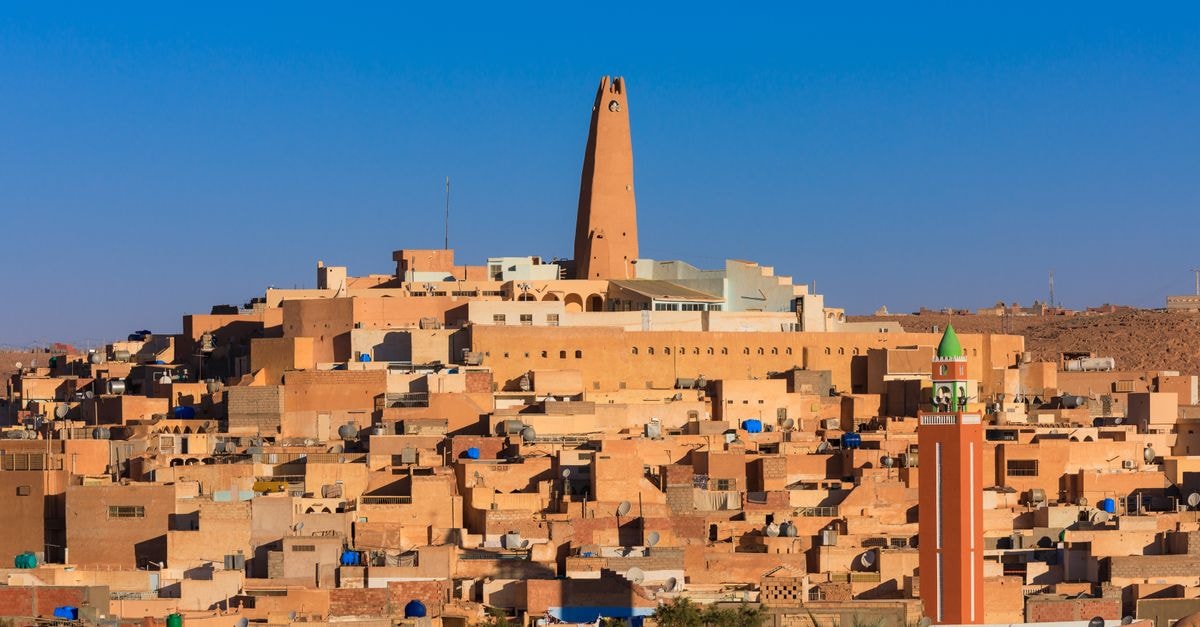
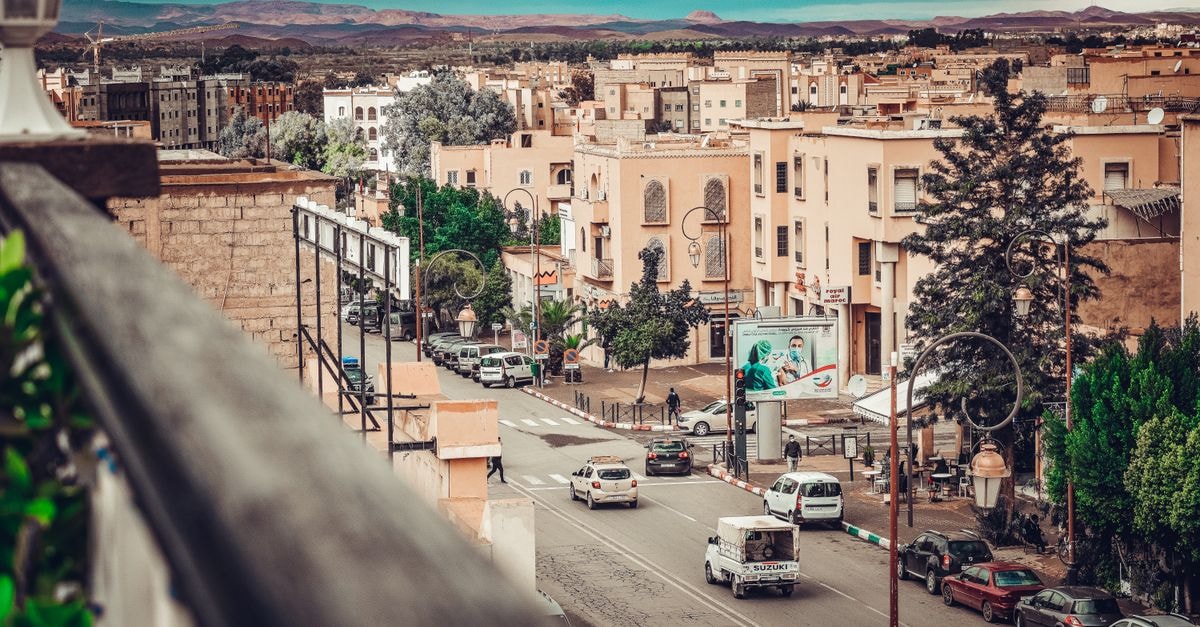
El Oued has a way of making visitors slow down before they even realize it. The city sits low on the horizon in Algeria's El Oued Province, and its flat-roofed houses, pale walls and famous traditional palm groves create a soft, almost dreamlike urban landscape. Travelers usually come here for the calm, the Saharan light and a sense of stepping into a community that has shaped its life around water, palms and desert weather for generations. This guide is written as a gentle companion for anyone planning a relaxed visit — the kind of trip where a single walk, a warm tea and unhurried conversations matter more than ticking off long lists.

Weather and seasonal context
Weather is one of the first things travelers ask about in El Oued, and it deserves an honest answer. Because the city sits in a Saharan region, conditions through the year tend to be warm and dry for long stretches, with cool windows that locals find genuinely pleasant. Reanalysis-based climate data for El Oued is drawn from a well-known long-term weather record, which gives a sense of how consistently hot or mild a given month can feel, even when day-to-day weather shifts. Travelers will often hear that the more comfortable windows for visiting fall around March, October and November, when daytime heat is easier to manage and the evenings turn mild. That said, a desert city can still surprise you, so it helps to plan loose days rather than jam-packed schedules: leave room for a long mint tea stop, a shaded pause in a palm grove or a late afternoon when the light goes golden and the streets feel deliciously quiet.
When you do head out, practical habits matter more than gadgets. Light, breathable clothing, a refillable water bottle and a small scarf for sudden breezes are the kind of small choices that quietly shape a desert trip. Even in the cooler windows, the sun can feel strong in the middle of the day, and the gap between shaded and open streets is wider than it looks. Slowing your pace, choosing shaded routes and paying attention to how your body feels tends to make El Oued feel welcoming rather than overwhelming.
Getting around
El Oued is compact enough that getting around rarely feels like a puzzle. Within the city, taxis and walking cover most sights and neighborhoods, which means you do not need to build complicated transport plans or learn a new system just to feel oriented. Short rides are quick to arrange, and drivers are usually willing to point you in the right direction if you have a name or a rough landmark in mind. Walking, meanwhile, rewards a slower mindset — the old town lanes and palm-shaded streets reveal small details that you simply miss from a window.
Behind the scenes, tourism in El Oued is supported by the Department of Tourism and Handicrafts, which acts as the main public body driving local tourism projects, and is considered one of the external branches of the Ministry of Tourism at the national level. For visitors, this matters less as a bureaucratic detail and more as a quiet assurance that heritage, palm-grove preservation and visitor infrastructure are taken seriously as long-term projects. In practice, that tends to mean well-kept green areas, clean approaches to key sites and a clear sense that the city wants to be looked after. That institutional care is one of the reasons El Oued often feels calmer and more considered than travelers expect.
If you are arriving from elsewhere in Algeria, plan to settle in for a few days rather than rush through. Local taxis and short walks are the simplest way to feel the city's rhythm, and you will notice more if you let yourself get a little lost in the old neighborhoods at least once.
Attractions and planning
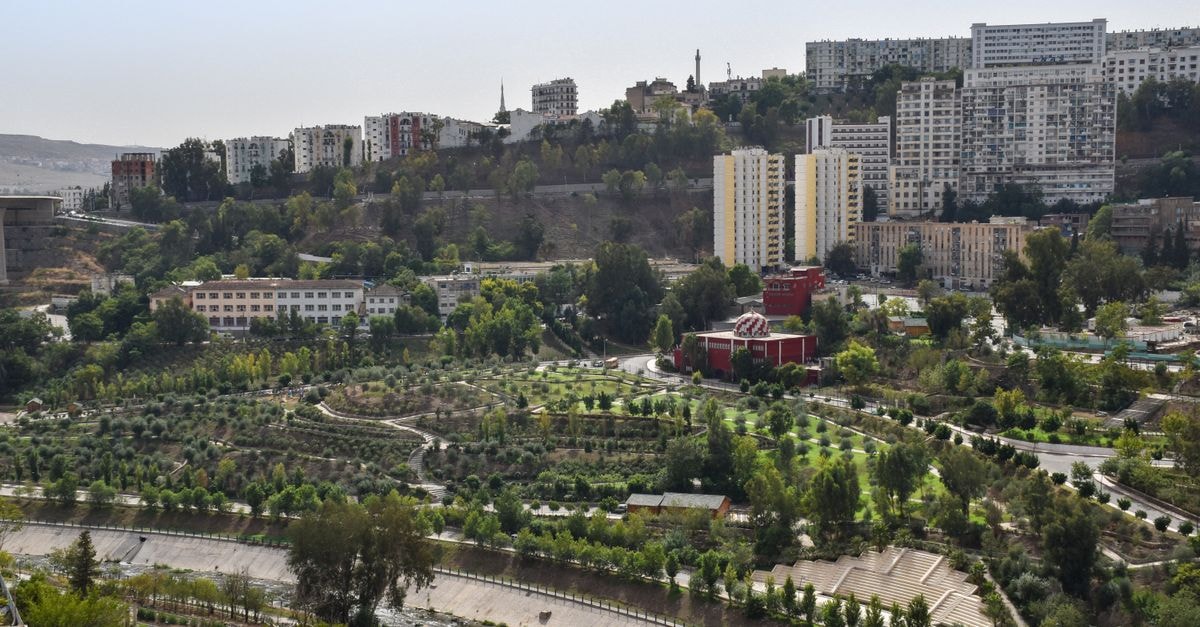
The undisputed heart of any El Oued visit is the Traditional Palm Grove, an iconic example of the city's natural beauty and cultural heritage. The grove has been part of El Oued's identity for generations, and it is the place where the city actually feels most like itself. Cool shade, the rustle of fronds overhead and the soft pattern of light on the ground turn a walk into a genuinely calming experience — not a tourist checklist item so much as a way of meeting the city in its most authentic form. Most travelers spend a lazy morning or late afternoon here, when the air feels softer and the photos look their best without any effort at all.
A few small habits make a palm-grove visit feel richer. Walk rather than drive where you can, because the slow movement lets you notice the irrigation channels, the sounds of birds and the quieter pockets between clusters of palms. Bring water, even on the gentler days, and keep your plans loose so that you can simply sit for a while when something catches your eye. The grove works as a soft anchor for the rest of your stay — a place to return to between other explorations of the city.
Because El Oued is a smaller Saharan city, many visitors find that the real pleasure is in repeated, unhurried encounters with the same places: a favorite corner of the palm grove, a particular street near the souk, a quiet café terrace at the edge of the old town. That kind of repetition is what turns a short visit into a memorable one.
Travel feel and small practical notes
There is no single way to experience El Oued, and most travelers fall into a gentle routine after the first day or so. Mornings tend to belong to the palm groves and a slow tea; afternoons often slow down, especially when the sun is high; and the cooler hours belong to wandering on foot, meeting locals and watching the city's soft evening light. Saying hello, accepting a tea and letting the day breathe tends to open doors more reliably than rushing between spots.
A modest amount of cash remains useful even in well-connected Algerian cities, so carrying small notes for taxis, tea stops and small shops is a quietly helpful habit. Signage in English is less common than in French or Arabic, so a few words learned on the way, or a translation app open in your pocket, can smooth small moments. If you want to see the palm grove at its most magical, ask locally when families typically visit — that local tip is often the best travel advice you will get.
Final traveler note
Facts on the ground — opening hours, transport availability, local rules and seasonal conditions — can change quickly, even in a quieter destination like this one. Before you travel, it is worth a quick check with the local tourism office and your accommodation for the most current practical details. Conditions in the Sahara region can shift, and the most reliable information always comes from the people on the ground closest to your travel dates.
Above all, take El Oued at its own pace. Slow mornings in the palm groves, easy taxis between neighborhoods and unhurried evenings are not just logistics, they are the point of the trip.
Prices, opening hours, schedules, reservation rules, and local conditions can change; verify them through official channels before departure.
Share this article
TOOLS FOR THIS PLAN
Make the El Oued plan measurable
Choose a tool only when it answers the next question in your trip. Your values stay in the browser, and each tool offers a route back to this planning context.