A first look at Ghardaïa
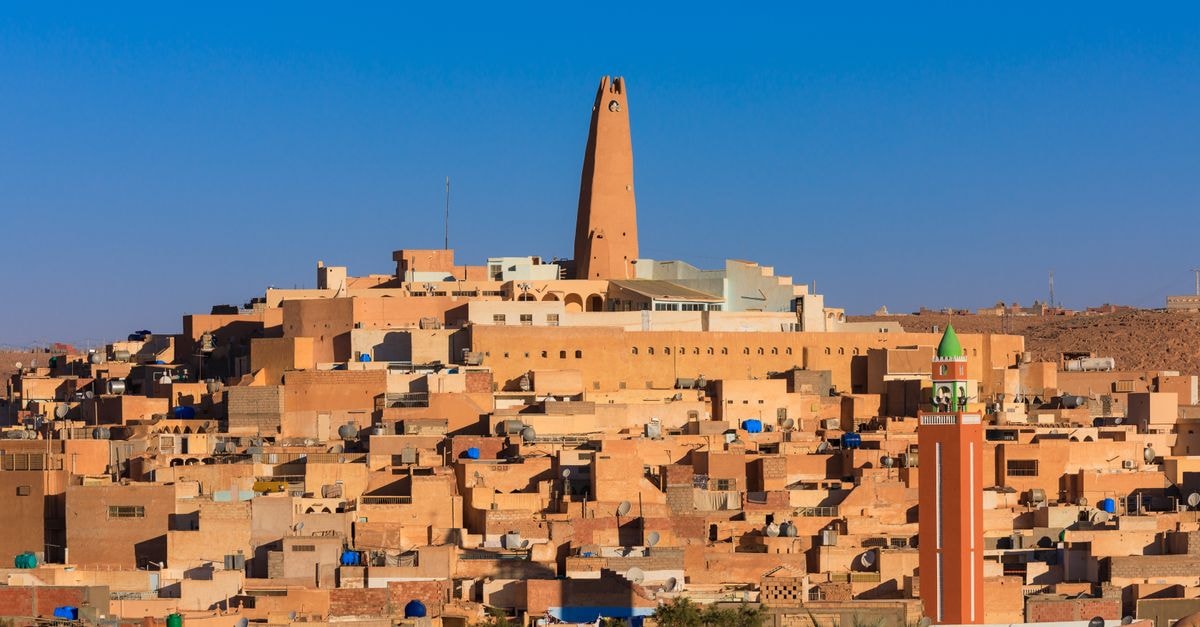
Set deep in central Algeria, Ghardaïa sits at the edge of the Sahara and is the cultural heart of the Mzab valley. The city feels layered: an old walled quarter of pale stone rises against a desert sky, and a modern town spreads out around it. The draw is not a checklist of sights but a sense of place shaped by oasis light, palm groves, and the rhythm of the surrounding communities. Visitors often arrive curious about the valley and end up lingering on a rooftop terrace or in a shaded courtyard, letting the slower pace of the desert set the tone.
Weather and seasonal context
Ghardaïa has a desert climate, and that reality shapes every plan. The Met Office weather page for Ghardaïa, framed as a single-day snapshot with a low-certainty note, gives a useful sense of how a typical day can read on the ground. The page suggests a daytime high in the mid to upper twenties Celsius and a nighttime low in the mid teens, which sits comfortably with what travelers often describe in this part of the Sahara: warm, bright days and cool, quiet evenings once the sun drops behind the cliffs.
That temperature shape is friendly to walking and to sitting outside, but the desert still asks for pacing. Carry water, plan for the strongest sun to fall in the middle of the day, and let the late afternoon and evening carry the heavier sightseeing. The desert can feel cooler than the numbers suggest once the wind picks up after dark, so a light layer earns its place in the bag.
For a visitor who prefers gentler days and cooler nights, this temperature range may suit the kind of traveler who wants long outdoor hours without the heavy heat of midsummer. If you prefer a quieter pace and a softer schedule, consider tilting most of your outdoor time toward the morning and the hours after the sun moves lower.
Rain is not a frequent headline in Ghardaïa. The page treats rainfall as a light element rather than a daily concern, which fits the broader Saharan pattern. Travelers who like a low-rain destination with bright, dry days may find this climate appealing.
Getting around
Ghardaïa is connected to the wider country by air through Noumérat – Moufdi Zakaria Airport, often simply called Ghardaïa airport. The airport carries the name of Algerian writer Moufdi Zakaria, who was born in Ghardaïa, a small cultural detail that quietly anchors the city in the broader story of Algerian letters. For most independent visitors, the airport is the easiest entry point, and from the town onward, movement tends to happen on foot inside the older quarters and by car or shared taxi for anything further out.
If you prefer a self-paced arrival with a single flight in and a short transfer into town, the airport may suit the kind of traveler who likes to keep logistics simple. Travelers who prefer door-to-door support may want to look into a hotel transfer in advance, since on-taxi availability, payment methods, and live airport conditions are worth confirming with your carrier before departure.
Food and local context
Food in this part of the country sits inside a much wider Algerian story. According to Visit Algeria, olive oil, fish, and citrus brighten coastal cooking; grains and vegetables anchor the high plateaus; and dates and preserved ingredients sustain Saharan communities. That national context gives visitors a useful frame: in Ghardaïa and across the wider region, dates carry real weight, grains and stews appear often, and preserved flavors travel well across long desert days.
Algerian food culture, more broadly, is closely associated with family gatherings, Friday meals, and the pleasure of sharing from a generous dish. That sense of abundance and hospitality may come through in everyday settings where visitors are invited to eat together rather than served a strict à la carte meal. Travelers who enjoy communal tables and a relaxed pace at mealtime may find this rhythm rewarding.
Because the available evidence stays at the country level rather than naming specific Ghardaïa restaurants, markets, or menus, no local venue or signature dish can be pinned down here. Treat that as a reason to ask locally once you are on the ground: which dishes are in season, which family-run spot the neighborhood prefers, and how to read a menu written in Arabic. For travelers who like a planned list of places to try, consider asking your accommodation or a local contact for current recommendations once you arrive, since menus and opening patterns shift.
Choosing what fits the trip
A short honest read of the evidence helps frame the trip. The climate window the Met Office references is warm by day and cool by night, with light rainfall, which suits travelers who prefer bright, dry days and cooler evenings. The airport makes Ghardaïa reachable by a single flight from other Algerian gateways, which suits travelers who want to keep logistics to one leg. Food here reads as part of a wider Algerian table, with dates, grains, and shared dishes at the center, which suits visitors who enjoy communal meals and an unhurried mealtime. Travelers who prefer a fully pre-planned restaurant list, or who want a fixed day-by-day itinerary, may want to wait for local recommendations once they are in town, since the approved evidence does not name specific venues or schedules.
Before you go
Factual travel conditions change, and the Met Office notes that any single-day weather picture comes with a low-certainty flag. Confirm flights, transfers, and any local rules through official channels before departure, and treat the temperature ranges here as a steady reference rather than a guarantee.
Share this article
TOOLS FOR THIS PLAN
Make the Ghardaïa plan measurable
Choose a tool only when it answers the next question in your trip. Your values stay in the browser, and each tool offers a route back to this planning context.