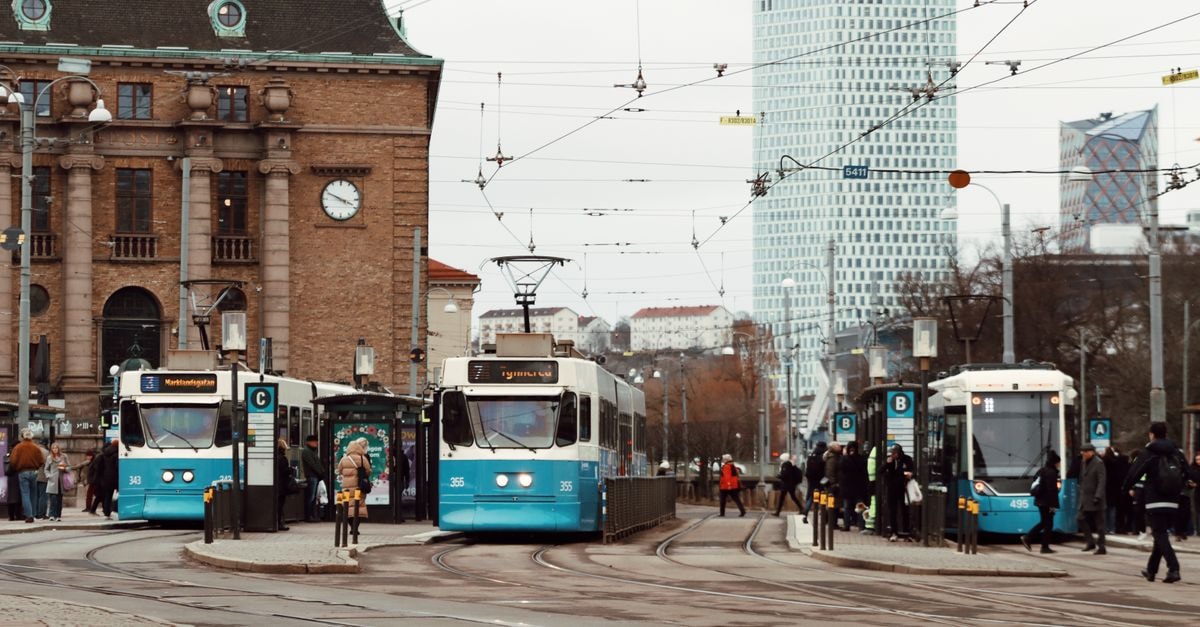
A crossroads city that still feels local

There is something quietly compelling about Elbasan. Set along the Shkumbin River, it has long served as a vital crossroads connecting different regions of the country, and that geographic role still shapes the rhythm of daily life. Visitors tend to arrive expecting a simple stopover, then find themselves lingering an extra day to walk the fortress walls and watch the river from a café terrace. It reads as Albanian, lived-in, and refreshingly free of the polished-tour veneer that some larger Balkan cities have developed.
The way to enjoy Elbasan is to treat it as a destination in its own right. Spend a morning on the citadel, a slow afternoon tracing the surviving walls, and an evening along the central streets where the modern city hums against the old stones. A short visit framed this way feels generous rather than rushed, and it leaves room for the kind of unhurried wandering that this mid-sized Albanian city does particularly well.
Setting the seasonal pace
Weather evidence for Elbasan does not arrive with month-specific numbers, so it helps to think of the city in seasonal feeling rather than seasonal data. Because Elbasan sits inland along the Shkumbin River, summers tend to feel warm and bright, while the river corridor adds a faint breeze to early mornings and late afternoons. Travellers who prefer exploring on foot generally find that pacing the day around the cooler parts of the daylight hours makes the fortress walk far more comfortable. Carry water, pause for long lunches, and save the citadel for late in the day when the stones glow amber and the streets below begin to switch on. Layered clothing is wise for the shoulder seasons, when the river valley can shift quickly between chilly mornings and mild afternoons.
There is a softer logic to visiting Elbasan outside the high-summer rush. As a long-time crossroads city, it does not feel empty in quieter months, but the pace becomes noticeably easier. Cafés stay open, the fortress is walkable, and the surrounding streets feel more like a community than a stage. Without hard weather figures in hand, the most honest advice is to plan for flexibility: check the local forecast a day or two before travelling, build a restful mid-day break into the itinerary, and let the city set its own tempo.
Walking into the old fortress
The single most rewarding thing to do in Elbasan is also its most ancient: explore the fortress at the heart of the old town. Kalaja e Elbasanit is consistently named among the city's standout sights, and it is the anchor around which any first visit should be built. Plan to arrive on foot, walk the perimeter slowly, and let the layers of the place reveal themselves. The fortress is the kind of site that rewards both the casual browser and the history-curious traveller, with enough surviving structure to spark the imagination without demanding a full archaeological day.
The backstory adds texture to the visit. Elbasan was founded in the 15th century by the Ottoman Sultan Mehmed II, who built a massive fortress with 26 towers to control the Via Egnatia trade route. Knowing that the citadel was once a strategic hinge on one of the most important roads of the medieval world changes the way the walls feel under your hands. Towers once watched over merchants crossing between Adriatic ports and the Aegean, and the same geographic logic that put Elbasan on the map in the first place still keeps it relevant today, sitting squarely on the route between Tirana and the lakes and coast further south.
Tracing the fortress walls on foot
Elbasan is a city best explored on foot, which is genuinely good news for travellers who prefer slow travel over guided logistics. The historic core is compact, and the fortress complex acts as a natural wayfinding landmark. Begin at the main gate, where the most impressive single architectural element of the complex greets visitors. From there, walking along the exterior of the surviving walls is a disorienting and fascinating experience. Ottoman stones rise on one side while the modern city bustles on the other, and the contrast is precisely what makes Elbasan feel like a real, breathing place rather than an open-air museum.
Because Elbasan was once known as Scampis, the historical name still surfaces on older signage and guides, and it can be useful to recognise it when asking locals for directions. A relaxed loop works beautifully: start at the gate, trace the walls, drop down toward the Shkumbin River, then wander back through the central streets for a coffee. Comfortable shoes matter more than any other gear on this itinerary; the surfaces around the walls include uneven cobbles and short climbs, which are easy on cool mornings and more tiring in the heat of the day.
Planning a low-stress visit
A few simple habits make Elbasan feel especially welcoming for independent travellers. Keep a half-day reserved for the citadel, leave room for unplanned cafés along the Shkumbin, and do not try to fit every sight into a single morning. The fortress and its walls can comfortably occupy a curious visitor for two to three hours, and adding anything more tends to dilute the impact rather than deepen it.
A light reading list also enriches the visit. Understanding the Ottoman founding story, the role of the Via Egnatia, and the meaning of the older name Scampis gives the walls a livelier sense of place. Local guides, where available, can fill in details that the stones themselves keep quiet.
A final note before you go
Elbasan rewards travellers who arrive curious and leave with unhurried memories of stone walls, river light and easy evenings. Travelling here feels less like ticking off a checklist and more like settling into a place that has been welcoming passing journeys for centuries. Pack for warm afternoons and cooler riverside evenings, plan on walking more than you drive, and give the citadel the spaciousness it deserves.
Factual travel conditions can change, so verify transport details, opening hours and any entry requirements through your accommodation or official channels shortly before departure. A short check the day before you arrive is usually enough to make sure the experience matches the calm expectations this guide is built on.
Verification note
The weather, transport and attractions detail in this guide reflects approved destination evidence only; current conditions, prices and schedules should be confirmed with local sources before travel.
Share this article
TOOLS FOR THIS PLAN
Make the Elbasan plan measurable
Choose a tool only when it answers the next question in your trip. Your values stay in the browser, and each tool offers a route back to this planning context.