A coastal welcome that sets the tone

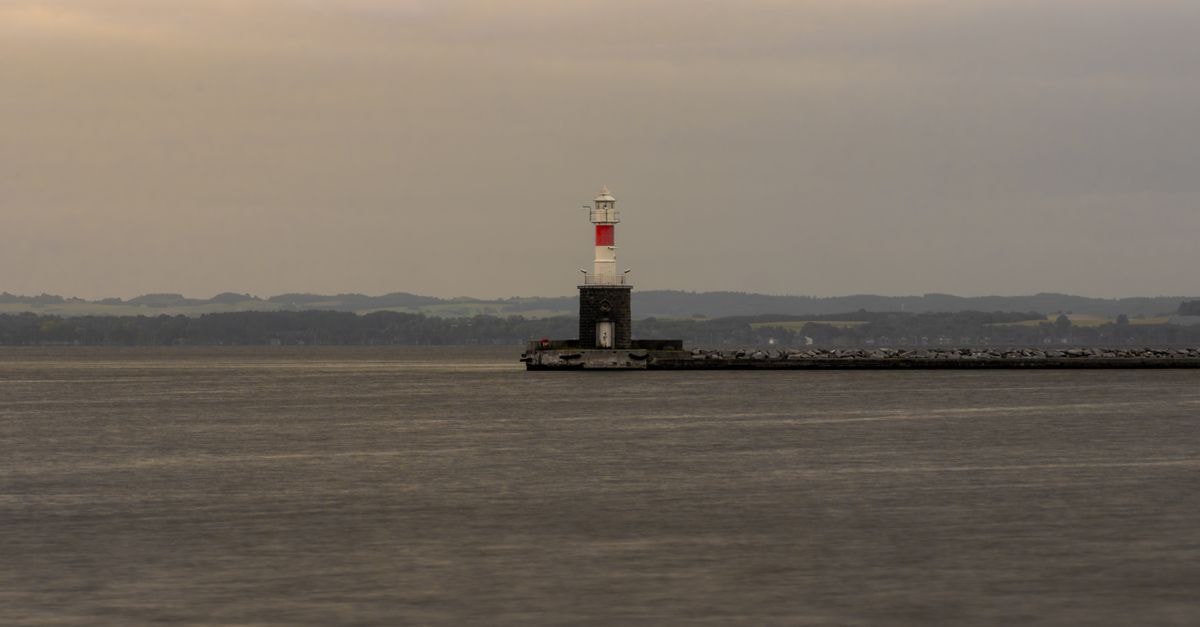
There is something quietly magnetic about Gothenburg. Set along Sweden's western edge, the city feels shaped by the water that meets it, a place where the harbour is part of the everyday landscape rather than a postcard backdrop. It is the kind of city that rewards unhurried wandering, where a neighbourhood café, a fish hall and a leafy street can sit a short walk from one another and tell you everything you need to know about how the place lives.
This guide leans into that pace. It groups the most useful facts by what they actually offer a traveller: how the seasons colour the experience, how to move through the city, where curiosity naturally lands, and how food and culture meet here. The aim is not to tick every box, but to give you a grounded feel for Gothenburg so that your days feel intentional rather than rushed.
Weather and seasonal context
Gothenburg wears its seasons lightly but noticeably, and the time you arrive genuinely shapes the rhythm of your visit. Travellers who come in the warmer months will find the coastal islands at their liveliest, with a buzz that spills out from the city across the water; those who arrive later in the year can step into a softer, golden phase of the year when foliage takes over the colour palette. Either way, the lesson is simple: let the season pace you. Warm months invite long outdoor afternoons and slow ferries; autumn months invite warm drinks, cosier interiors and gentler walking routes.
Whichever season finds you here, build in unhurried moments. The city rewards pauses, whether that is lingering over coffee in a neighbourhood like Haga, famous for its oversized cinnamon buns and the easy ritual of fika, or stepping afterward into Hagabadet, an art nouveau bathhouse that turns a coffee stop into a whole afternoon's arc. Slow travel here is not about seeing less; it is about giving each stop room to breathe.
Getting around
Gothenburg is a city where a thoughtful first visit has a clear shape, and the key to enjoying it is giving yourself a route rather than chasing every direction at once. A logical first-time path, moving from one neighbourhood texture to the next, lets the city reveal itself in layers: the compact centre, the leafy Haga district, the waterfront, and the harbour-side cultural landmarks that sit just beyond the obvious.
If you have only one piece of advice, let it be this. Pick a route that flows rather than a checklist that scatters. Gothenburg is small enough to read on foot in places, large enough to feel like a proper city, and shaped by water in a way that makes a walk and a harbour-side pause feel like one continuous journey rather than several separate ones.
Attractions and planning
The most rewarding attractions in Gothenburg tend to be the ones that blend a story with a setting, and few do that better than the harbour area. Maritiman, a floating museum in the heart of the city, is exactly that kind of stop. It is the kind of place where a visit becomes a small adventure rather than a static exhibit, with the water itself acting as part of the experience rather than a view from a window.
The practical magic of a place like this is what comes after. Once you have explored the vessels and the maritime story, it is natural to settle in for a fika at Matrosen, the on-site café, where the pace finally slows. Families travelling with children will find the experience shaped around small experiments and challenges, with characters like Tim & Virvelina turning the visit into something the youngest travellers remember long after the boat ride home.
The lesson, when planning your days, is to cluster visits by feeling. A harbour morning pairs naturally with a slow afternoon nearby. A neighbourhood walk pairs naturally with a long coffee stop. Gothenburg does not need to be over-planned; it needs to be read in the right order.
Food and local context
Gothenburg's relationship with food is one of the strongest entry points into its identity. The city is, in many ways, the gateway to the sea on the west coast of Sweden, and fish and shellfish have become a natural extension of how the city understands itself. That is not a marketing line; it shows up in the everyday food culture, in the menus you encounter, and in the way locals talk about what is in season.
The clearest expression of that is Feskekörka, the city's iconic fish hall, where stalls like Flåtens Fiskhandel offer fresh fish whole or filleted, on the bone or ready for the pan. Visiting is less about a single transaction and more about absorbing the rhythm of a working food landmark, one that has coexisted for years with a wider restaurant scene that swings between tradition and innovation.
That wider scene is broader than the harbour alone. Gothenburg is known for creative neighbourhoods, a recognised fine-dining culture, a vibrant cultural calendar, and a craft beer reputation that punches well above the city's size. Seafood is a natural anchor, but it sits inside a much larger food story that rewards curious eaters.
When planning meals, think in arcs rather than reservations. A fish hall stop, a neighbourhood lunch, a coffee ritual, and an evening in one of the city's food-forward streets will give you a fuller picture than any single venue. The city is small enough to taste in layers, and the food identity is one of the easiest ways to feel like you have actually arrived somewhere, not just passed through.
A few honest notes before you go
Gothenburg does not need to be over-planned, but a small amount of intention goes a long way. Let the harbour shape your first day, let a neighbourhood shape your second, and let the food culture tie the two together. Choose slow over full, and you will leave with a much clearer sense of the city than a checklist ever provides.
Factual travel conditions can change, so check official channels before you travel for current opening times, transport details and any practical information that may have shifted since this guide was written.
Share this article
TOOLS FOR THIS PLAN
Make the Gothenburg plan measurable
Choose a tool only when it answers the next question in your trip. Your values stay in the browser, and each tool offers a route back to this planning context.