A Cold War-Era Landmark in the Heart of Berlin

Built between 1957 and 1960, Hilton Berlin was the first American-style luxury hotel in post-war Berlin, a stretch of Mohren-/Französische Straße that has watched the city reinvent itself ever since. Its designer, Charles Luckman, shared a friendship with Conrad Hilton that led to several Hilton commissions around the world, and the Berlin project is singled out as a particularly important piece in the rebuilding of the city.
The Hilton brand had already been present in West Berlin from 1958 to 1978, operating a property that later became the InterContinental Berlin, before the current hotel opened its doors as a separate chapter in the story.
Rooms and Suites With a Gendarmenmarkt View
The property offers 601 rooms and suites, with the upper floors home to its signature Dome Suites. Marketing imagery for the hotel describes waking up to panoramic views of Gendarmenmarkt from a Dome Suite, an angle that has become the visual shorthand for the property. Inside, the layout preserves the wide, formal proportions that mid-century American luxury hotels were known for, with the curved dome crowning the silhouette against the Berlin skyline.
Where to Eat and Unwind
Two restaurants and a lobby lounge handle the food-and-drink side of the stay. The lobby lounge in particular is treated as a social anchor of the building, the kind of all-day space where morning coffee, afternoon tea and late drinks can all unfold beneath the dome.
A Setting Steeped in Berlin History
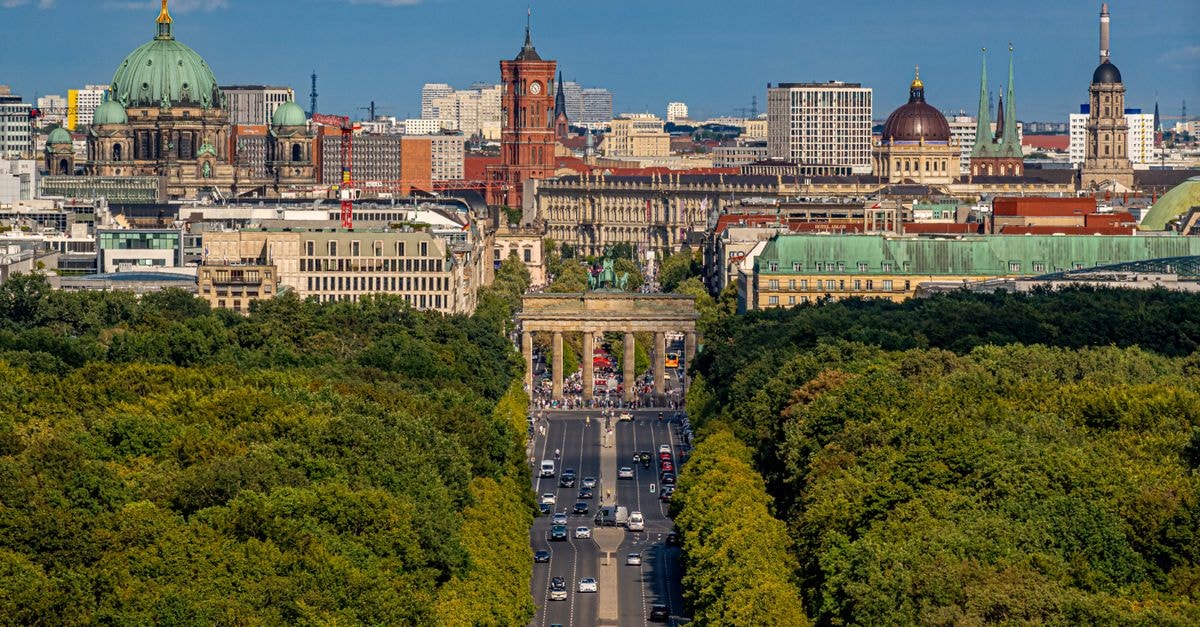
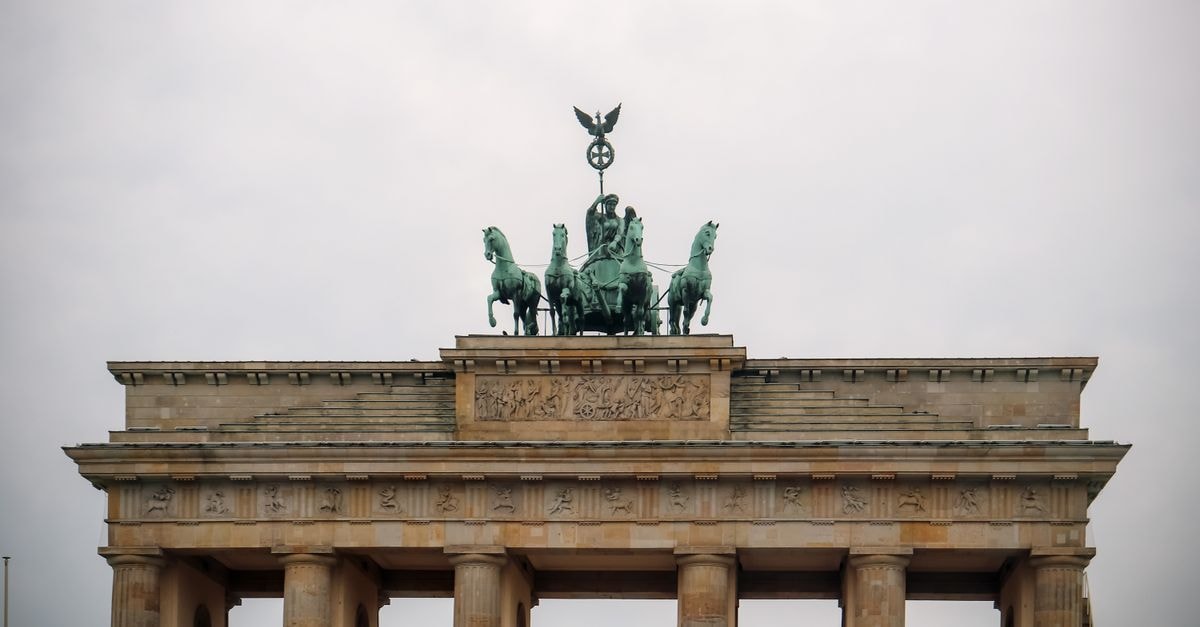
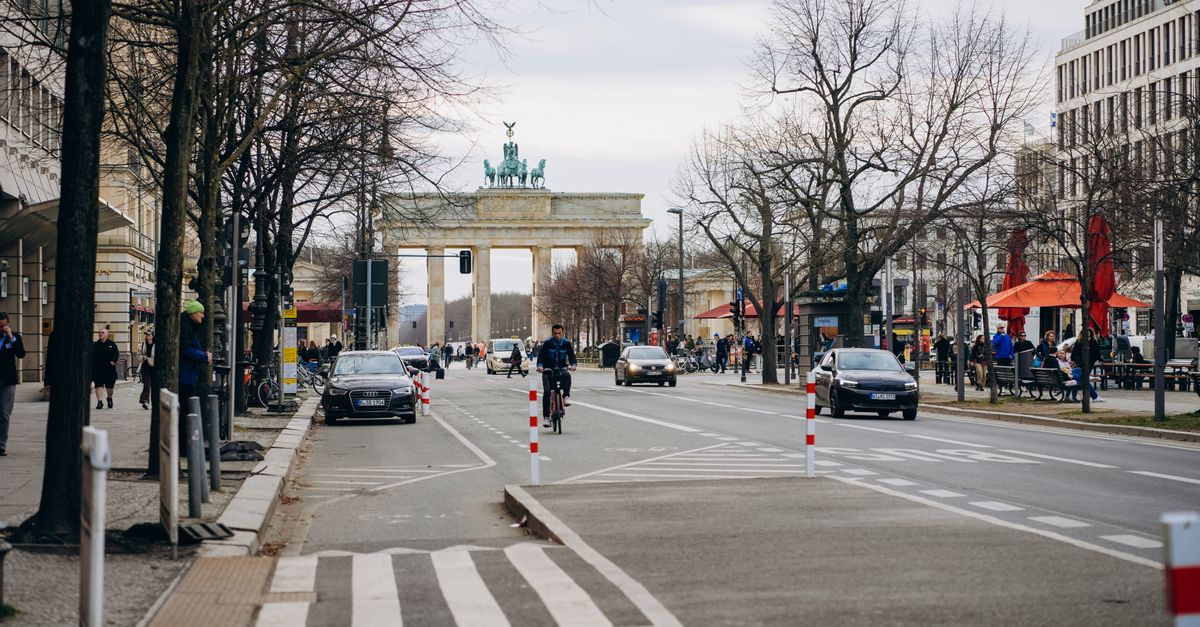
The hotel's address places it within easy reach of some of the city's defining landmarks. Checkpoint Charlie, the Brandenburg Gate and the Berlin Wall all sit within three kilometers of the property, putting Cold War history, reunification memory and Prussian-era architecture on the same mental map as the front door.
Practical Considerations
Hilton Berlin is located at Anton-Wilhelm-Amo-Straße 30, 10117 Berlin, Germany, on the edge of Gendarmenmarkt square. Specific room counts, dining outlets and suite configurations shown here reflect the information available at publication; room and facility details may change over time, so it is worth confirming current offerings directly with the hotel when planning a visit.
The Building Itself
Architecturally, the property is best known for its dome, a curved roofline that reads clearly from the surrounding streets and gives the structure a profile distinct from the more traditional European hotels nearby. That dome, combined with the Luckman-designed interior, makes the building as much a piece of post-war Berlin architecture as it is a place to sleep.
Share this article
Place data: Geoapify and OpenStreetMap contributors.