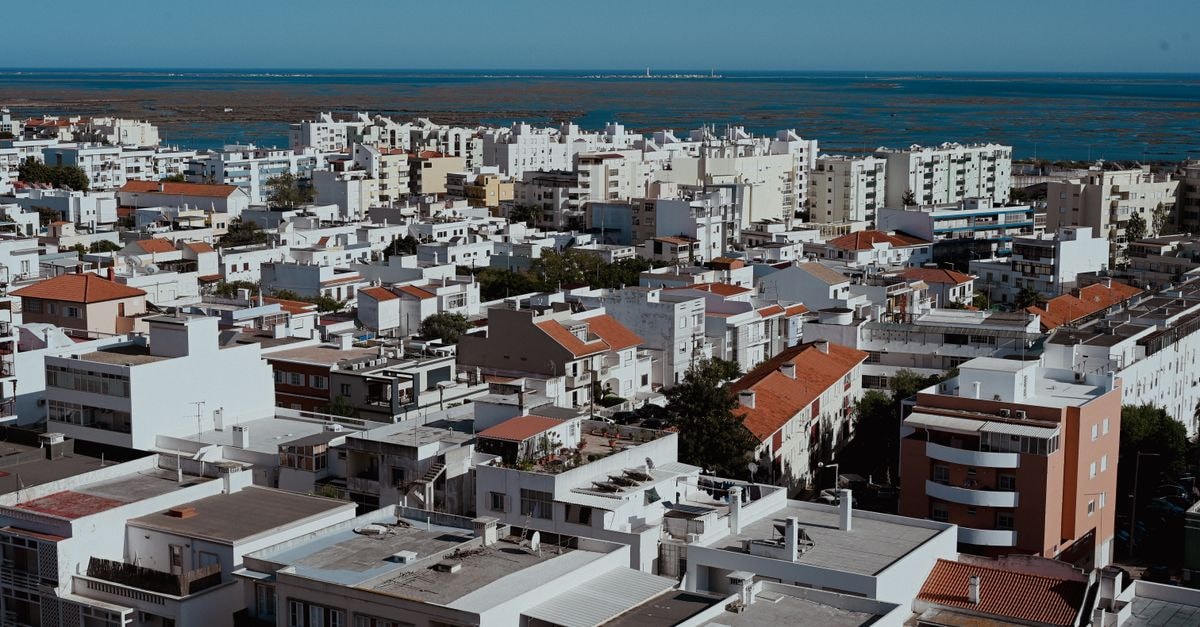
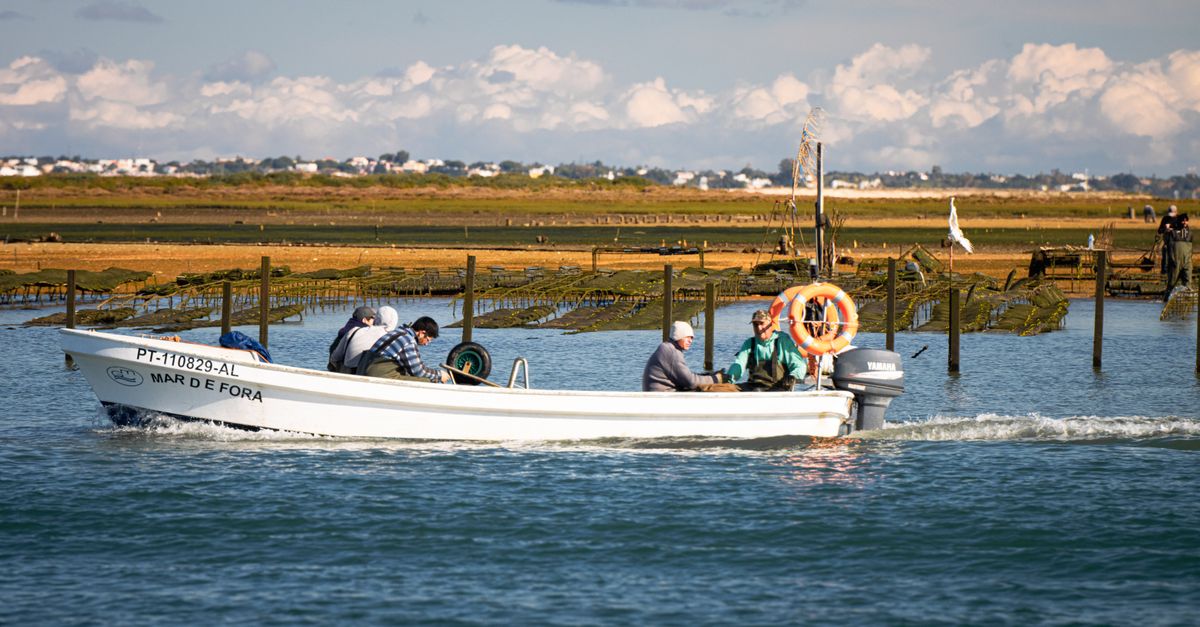
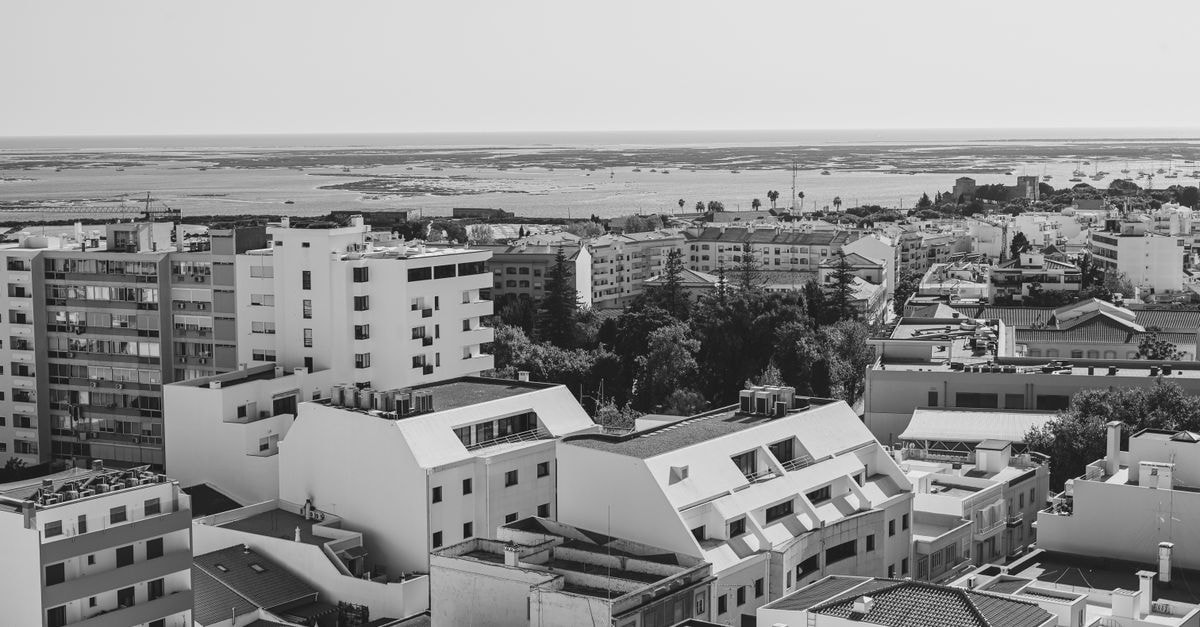
There's a particular kind of welcome in Faro, and it rarely shouts. The city sits at the southern edge of the Algarve, where the wide lagoon of the Ria Formosa meets the old walled centre, and its rhythms are shaped less by beach bustle and more by slow promenades, ferry glances and the kind of evening light that turns terracotta into honey. Most visitors arrive here as a first foothold or a final pause rather than a main stop, and that positioning is part of what gives Faro its charm. It's a place to step out of an airport, breathe out, and let the Algarve arrive gently around you.

Weather and seasonal context
The experience of Faro is shaped, more than anything, by the quality of its light and the softness of its evenings. Faro's historic centre has a reputation for being particularly atmospheric after dark, when the low whitewashed walls and quiet lanes seem to drink in whatever glow comes off the marina and sea. There's a real pleasure in arriving in the late afternoon and giving yourself that first hour just to wander before any plans tighten up.
The city is also closely tied to the gateways of the Algarve. Many travellers pass through Faro on their way to or from the wider region, and a similar rhythm applies whether you're flying in or rolling in overland: Faro tends to be the first taste of the south, or the last memory you carry out. The airport makes this especially easy, putting Faro's marina-facing gardens almost within arm's reach of arrivals.
If you're someone who builds a trip around golden hour, slow dinners and gentle walks rather than beach blocks, lean into that here. Pack a layer for the evening whatever the daytime looks like, and treat the heat of the day as a reason to pause indoors, swim, or simply sit with a cold drink under trees. Faro rewards the traveller who lets the day bend around the light instead of fighting the clock.
Getting around
The most useful thing to know about Faro, transport-wise, is how it fits into a longer Algarve trip. Many travellers treat it as a one to two-day stop at the beginning or end of their journey rather than a base for beach holidays, and that framing tends to save a lot of logistical friction. Rather than hauling bags between resort towns, you can arrive, unpack once, and use Faro as a calm staging ground before moving on, or as a decompression buffer before flying home.
Within the compact historic centre, walking is the natural mode. The Manuel Bivar Gardens line the waterfront and act as a kind of soft threshold between the city and the sea, with everything overlooking the marina, the Ria Formosa and the open water beyond. That stretch is a good anchor: you can orient yourself by the gardens first, then let the lanes of the old town unspool behind you. The scale rewards wandering, doubling back and small detours.
Because Faro often plays an opening or closing chapter of a broader trip, give yourself a little slack in the schedule. The city's appeal is in those in-between moments — a slow walk back from dinner, a pause on a bench facing the lagoon, a few unhurried hours after check-in or before departure — rather than in racing through a packed list. Treat transport as a way to keep the day spacious, and the rest of the Algarve stays a comfortable next step rather than a stress point.
Attractions and planning
Faro's centre carries a long layer of history that is easy to feel even if you don't set out to study it. The city was known as Civitas Ossobonensis between the 2nd and 8th centuries BC and remained under Roman rule, developing industrially across that stretch of time. That deep past shows up not in grand set-pieces but in the texture of the old town: the thickness of certain walls, the way lanes bend around older alignments, the sense of a settlement that has been lived in continuously for centuries.
A natural way to plan your time is to let the historic core be the spine of the visit. Walking from the waterfront gardens inward, you'll move from the bright, open lagoon side of the city into narrower streets where the layers deepen. This is where the after-dark reputation makes sense: the low architecture, the soft lighting and the layered history combine into a setting that asks for slow attention rather than a checklist.
When thinking about how long to stay, resist the urge to over-schedule. Faro is generous with its pace but not large in scale, so a short, unhurried window tends to feel richer than a rushed one. Build in time for a morning in the gardens, a midday pause, and an evening stroll through the centre, and you'll find the city gives back more than its size suggests. If your trip allows, an extra half-day to simply sit, walk and revisit favourite corners can be the most rewarding part of being here.
---
_Verification note: travel conditions can change, and details such as opening hours, transport services and seasonal access vary over time. Check official local sources and your accommodation or transport provider before finalising plans, and confirm current rates through a live currency service if you need to budget precisely._
Prices, opening hours, schedules, reservation rules, and local conditions can change; verify them through official channels before departure.
Share this article
TOOLS FOR THIS PLAN
Make the Faro plan measurable
Choose a tool only when it answers the next question in your trip. Your values stay in the browser, and each tool offers a route back to this planning context.