Destination Overview

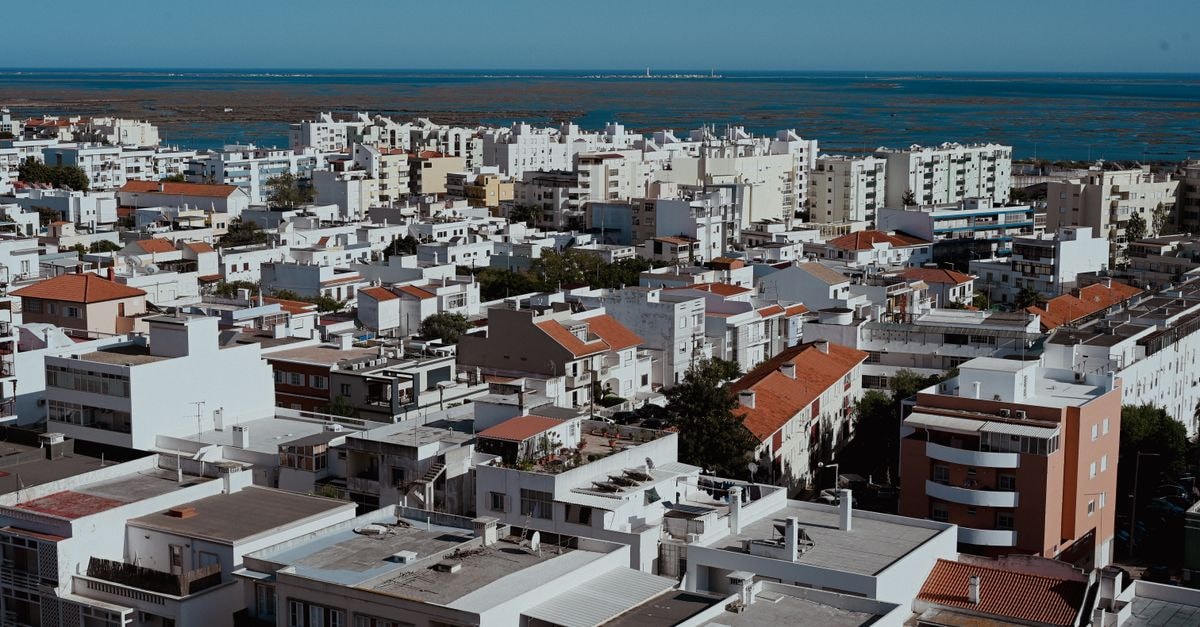
Faro is the compact capital of Portugal's Algarve region and the area's main gateway through its international airport. Unlike the resort-heavy towns along the coast, Faro's walled old town — the Cidade Velha — remains lived-in and unhurried, with whitewashed lanes, a 13th-century cathedral, Roman ruins nearby, and a sandbar archipelago just across the lagoon. Travelers in July 2026 arrive into a city that is fully on its summer footing: long days, festival season, and ferry services running to the barrier islands, but with the heaviest crowds and highest prices still a month away.
July Weather and What to Expect
July sits at the heart of the Algarve's peak summer, with hot days, very little rain, and reliably long evenings. According to long-term July data, Faro's daytime highs climb from about 81°F (27°C) at the start of the month to 84°F (29°C) by late July, while overnight lows settle around 66–68°F (19–20°C). Humidity runs high — in the 70% range during afternoons — and rain is rare, with monthly rainfall of roughly 10 mm, though brief afternoon showers are possible. Portugal's Atlantic breeze keeps coastal Algarve cooler than inland regions, and sightseeing there is more comfortable in the morning and late afternoon.
Practical implications: plan sightseeing for the morning or after about 7 pm, drink plenty of water, and pack sunscreen — UV peaks high enough that the sun can redden skin in under 20 minutes on an open ferry deck. Light linen layers and an air-conditioned room are worth budgeting for, especially if you are arriving from cooler northern Europe.
Getting There and Around
Faro International Airport sits roughly 15 minutes from the city centre by taxi or local bus, and most summer travelers arrive this way. From Lisbon, direct trains reach Faro in about three and a half hours, and seats are known to sell out on summer weekends, so booking ahead is wise. Drivers coming down the A2 motorway find the journey straightforward, but once in Faro the city is compact enough that a car becomes more of a headache than a help — parking in the old town is limited and the marina-side streets are easier on foot.
Within the city, walking covers the historic centre, the marina and the Manuel Bivar Gardens. For the barrier islands, regular ferries leave from Porta Nova (Cais da Porta Nova) to Ilha de Faro, Ilha de Culatra and Ilha Deserta; in high summer these boats fill quickly, so buy tickets online the day before.
Old Town Sights and the Ria Formosa
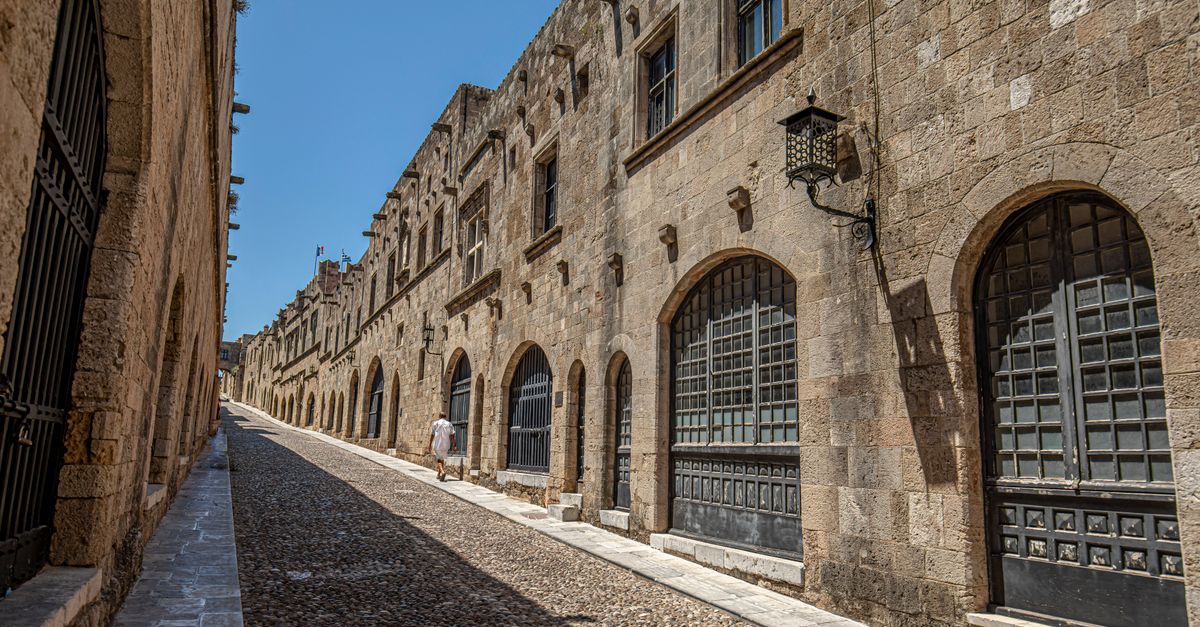
The Cidade Velha is built for slow wandering. Begin at the Arco da Vila, the neoclassical gateway that leads to the 11th-century Arab horseshoe arch — the oldest of its kind in Portugal — and from there follow the cobbled lanes to the 13th-century Sé (Cathedral), whose tower is climbable for views across terracotta roofs and the lagoon. Inside the old walls you can drop into the Municipal Museum inside the 16th-century Convent of Nossa Senhora da Assunção, the gilded Church of São Francisco, and the Igreja do Carmo with its adjoining Capela dos Ossos (Chapel of Bones) — a small, stark chamber built from the bones of over 1,000 Carmelite monks, typically open Monday to Friday 10:00–13:00 and 15:00–17:00, with extended Saturday hours during summer; admission is around €2.
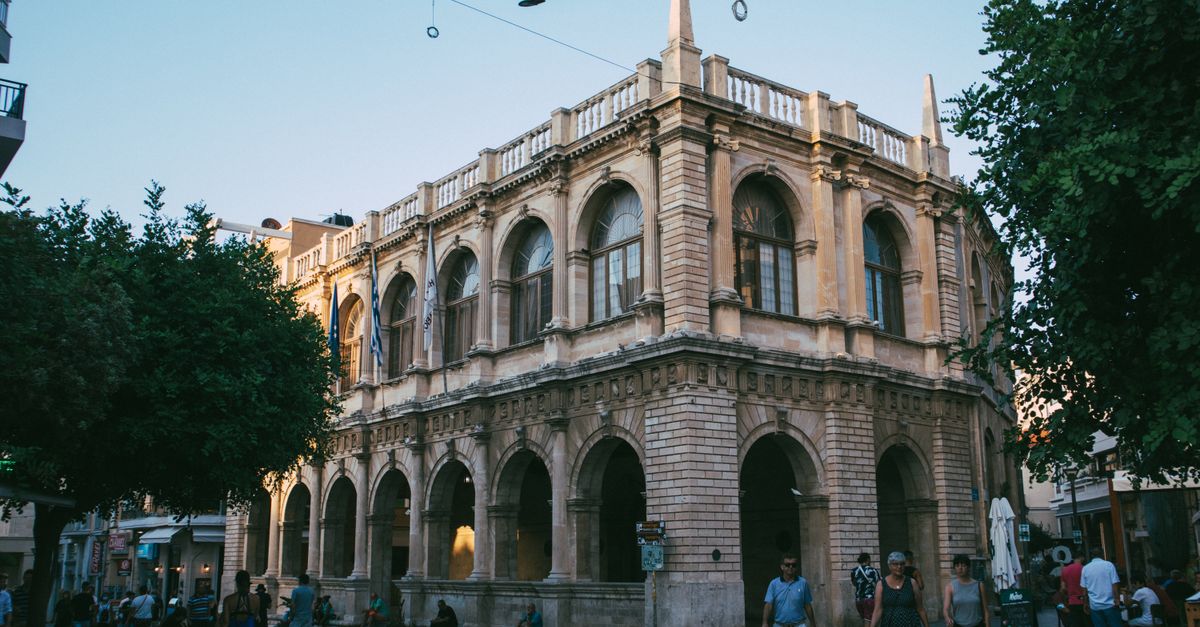
Outside the walls, the rebuilt city shows off its 18th-century palaces, the romantic Lethes Theatre, the baroque Igreja de São Pedro, and the pedestrianised Rua de Santo António, Faro's main shopping street. The Jewish Historical Cemetery, synagogue and small museum mark where a 19th-century Sephardic community settled.
For nature, the Ria Formosa Natural Park is Faro's trump card: an 18,400-hectare lagoon stretching roughly 60 km along the coast, with barrier islands, salt marshes and tidal flats sheltering flamingos, spoonbills and rare purple swamp hens. Boat tours from the municipal jetty visit Ilha Deserta — a completely uninhabited sandbar with a single eco-restaurant — and Culatra, a working fishing community. Inland, the Roman ruins of Milreu in Estoi (about 12 km north) and the painted azulejo workshops of Loulé make easy half-day trips.
July Activities and Events
July is festival month in the Algarve. Faro hosts seafood-focused events such as the Festa da Ria Formosa and the traditional FolkFaro folk festival during the long summer season, alongside open-air concerts and evening fairs. Ocean conditions are reliably calm, and the ocean temperature holds around 23°C (73°F) — comfortable for swimming once you reach the islands.
Popular July activities include Ria Formosa island-hopping boat tours departing roughly every 30 minutes from the marina, sunset kayak trips through the channels around sunrise, evening food walks through the old town's orange-tree courtyards, and cycling on Culatra's raised dune paths. The cathedral bell tower is open late in July — until about 7:30 pm — so a sunset climb is feasible without an advance booking.
Where to Stay and Booking Pressure
Accommodation is the single biggest cost swing in Faro in July. Prices rise above the spring and autumn averages but typically run 30–35% below the August peak. Demand is highest on weekends and on the run-up to the main festivals, so reserving early — at least a couple of months ahead — is sensible.
By neighbourhood, the choice breaks down roughly as follows:
- **Cidade Velha / Old Town:** cobbled lanes inside the walls, quiet at night, walking distance to the cathedral and marina. - **Baixa (downtown):** busier, more cafés and shops, easy access to the ferry terminal. - **Near the Marina:** modern hotels with lagoon views and a quick taxi to the airport. - **Ilha de Faro:** beachfront guesthouses for those prioritising sand over city amenities, with the trade-off that late-night transport back to town is limited.
Hostels are a workable budget option across Portugal, with dorm beds around €25 per night in major cities and private hostel rooms around €50; well-reviewed options exist in Faro's downtown and old town.
Eating in Faro: Seafood and Local Dishes
Faro's kitchens are built on the lagoon. Cataplana — the dish named for the hinged copper pot it is steamed in — is the signature: mussels, clams, prawns and monkfish cooked in white wine, tomato and garlic, served sealed and cracked open at the table. Other staples include arroz de lingueirão (razor-clam rice, saffron-tinted and wetter than a Spanish paella), conquilhas à Algarvia (tiny clams tossed in olive oil, garlic and wine), and bacalhau à Brás (shredded salt cod scrambled with eggs, onions and matchstick potatoes). Grilled sardines — brushed with olive oil, garlic and herbs and served with crusty bread and a simple salad — are a summer classic, while octopus salad dressed with onion, peppers, lemon and olive oil makes a refreshing starter on a hot July evening.
Sweet-wise, look for the Pastel de Faro, the city's own egg-yolk and almond confection distinct from the more famous pastel de nata. Markets such as the Mercado Municipal supply the daily catch; an oyster tasting on the lagoon itself, at one of the working farms in the Ria Formosa, is among the most memorable ways to eat in the region.
Costs, Tickets and Practical Tips
Beyond accommodation, July in Faro remains good value for a Western European summer destination — neighbourhood restaurants sit well below their Lisbon or French equivalents, and local trains, ferries and buses stay affordable. The trade-off is that resort-town prices on the coast can run 30–50% above the low-season baseline.
Booking and queue tips for July specifically:
- Reserve train seats from Lisbon at least a few days ahead for weekend travel. - Book island ferries online 24 hours in advance; demand follows a pattern but builds through the month. - Reserve popular boat tours and food walks 2–3 days ahead; small-group kayak trips fill fastest. - Buy cathedral and museum tickets on the day at the door — most sites are uncrowded compared with Lisbon or Sintra. - Take a light jacket for sea-breeze evenings, even in July.
Currency is the euro (€); exchange rates fluctuate, so treat any quoted conversion as a reference only and check the live rate before exchanging money or paying by card abroad.
Safety Notes
Faro is generally a safe city for visitors, with the usual coastal-town caveats: watch for pickpockets in crowded festival nights and on packed ferries, keep valuables out of sight at the beach, and use registered taxis or rideshare apps from the airport rather than touts in the terminal. Sun safety matters more than street safety in July — UV levels are high, and shade on the islands is minimal once you leave the ferry dock.
*Conditions can change; opening hours, ferry timetables, festival dates and ticket prices should be confirmed on official tourism channels before travel.*
Prices, opening hours, schedules, reservation rules, and local conditions can change; verify them through official channels before departure.
Share this article
TOOLS FOR THIS PLAN
Make the Faro plan measurable
Choose a tool only when it answers the next question in your trip. Your values stay in the browser, and each tool offers a route back to this planning context.