A first look at Ferizaj

Ferizaj sits in southern Kosovo as one of the country's more compact urban centers, and that compactness is genuinely part of the appeal. The city has built a reputation as a regional commercial hub, and the rhythm of that identity shows up the moment you start walking its streets. Visitors often describe the atmosphere as lively but approachable, with a scale that lets you settle in within an afternoon rather than orient yourself over several days.
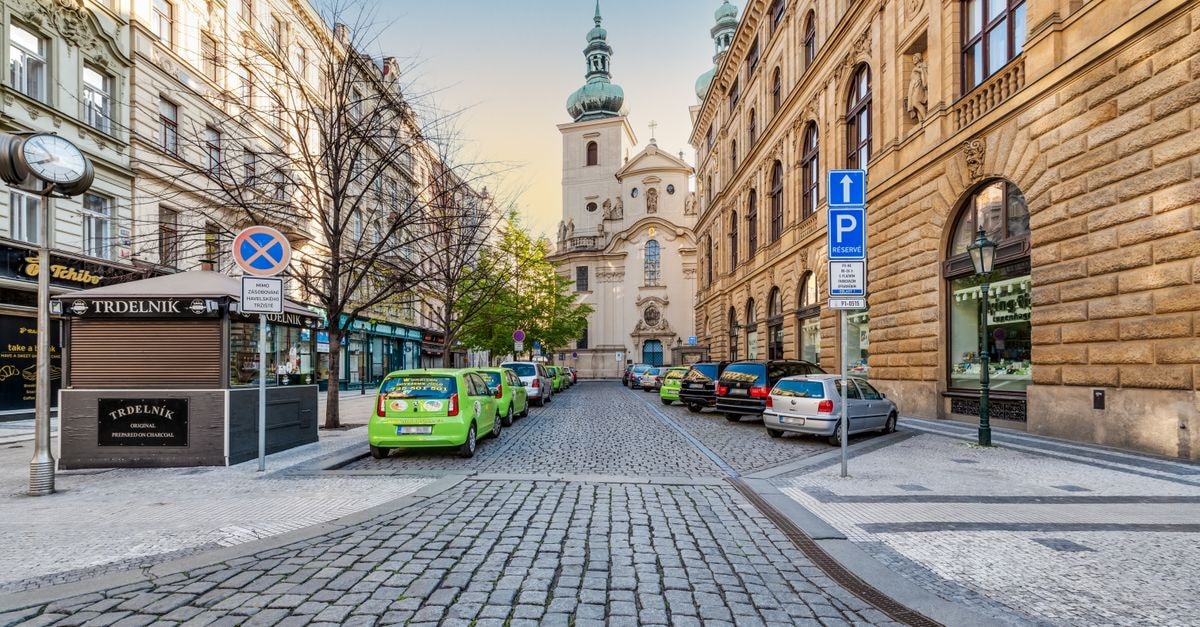
What tends to catch travelers off guard is how much of the city's social life revolves around a single charming pedestrian street lined with cafes. Locals gather here throughout the day, and that one strip can anchor an entire visit. If you enjoy places where the everyday routine of residents is itself the main sight, Ferizaj has that quality in spades. There is local art on display in pockets of the city, markets that anchor daily life, and a calendar of seasonal festivals that the community uses to mark the year.
That said, Ferizaj is not the kind of city that hands visitors a checklist of headline sights. The reward here is in the texture: the cafe terraces, the market stalls, the unhurried pace of a small commercial capital where everyone seems to know the rhythm of the place. For travelers who like weaving their own route through a destination, this works beautifully. For visitors who want every moment scripted, it helps to arrive with a flexible plan and a sense of curiosity.
Where to stay and what to expect
Accommodation in Ferizaj leans toward independent, smaller-scale properties rather than large international chains, which fits the city's compact character. Booking platforms list options ranging from boutique guesthouses to spa hotels, and several properties sit close to recognizable city landmarks, including the area around the Old Stone Bridge, which is one of the easier orientation points for first-time visitors.
One practical note worth keeping in mind: swimming pools are not a common amenity across the city's hotels. If having a pool matters to you during your stay, the best move is to confirm the specific amenity directly with the property at the time of booking rather than assume it will be available. This is a small thing, but it is the kind of detail that can quietly shape how relaxing a short stay feels, especially if you are visiting after a day of walking.
Because the city is compact, you will likely find that most of the listed accommodations put you within walking distance of the pedestrian street and the central commercial areas. That positioning is part of what makes Ferizaj easy to enjoy without a car. You can step out of your guesthouse in the morning and be on the cafe strip within minutes, which is a small luxury in itself.
Getting to and around Ferizaj
The single most important logistical detail about reaching Ferizaj is that the city does not have its own airport. International travelers fly into Pristina International, which is the main gateway for Kosovo as a whole. From Pristina, you have two realistic options to continue onward to Ferizaj.
The first option is a taxi. Drivers connecting Pristina airport to Ferizaj will commonly quote a higher price, with €40 being a typical opening ask, but a more reasonable negotiated fare is closer to €25 for the ride. Negotiation is the norm rather than the exception, so settle the price before you get in. This is one of those small travel skills that saves real money over a trip.
The second option is a two-step route using public transport. Take the airport bus into Pristina's main bus station, then connect onward to Ferizaj from there. It takes longer than a direct taxi, but it gives you a more grounded feel for how the country moves day to day and costs less.
Once you are in Ferizaj itself, the city's compact scale handles most of your getting-around needs on foot. The pedestrian street, the markets, the cafes, and the accommodation cluster all sit close enough together that walking is the natural choice. You can build an entire visit around short strolls rather than long transit days, which is one of the underrated pleasures of staying in a smaller city.
Weather and seasonal context
Ferizaj's climate follows the broader continental pattern of inland Kosovo, which means the city experiences real seasonal variation rather than a year-round mildness. Summer days can feel genuinely warm, with the kind of sun that turns a long cafe afternoon into something you pace rather than push through. Locals handle this by shifting more of their day into the morning and evening hours, and visitors tend to do the same once they settle into the rhythm.
In the colder months, the city cools off considerably, and the cafe culture takes on a different character as indoor seating becomes the preferred gathering space. Spring and autumn tend to be the most comfortable windows for walking the city at length, when temperatures are gentler and the seasonal festivals that punctuate the local calendar come into focus.
Because the city is compact and most of what you will want to see clusters near the pedestrian street, weather rarely disrupts a visit outright. Rain is more of a pace-setter than a plan-breaker. Pack with the season in mind, keep a layer handy for the shift between warm afternoons and cooler evenings, and let the day unfold around the cafes when the sun is at its strongest.
A few final notes for travelers
Ferizaj rewards a relaxed approach. The city's small scale means that you can experience a lot without rushing, and the cafe-centered social life gives visitors a natural way to absorb the local atmosphere without needing to chase a long list of sights. Treat the pedestrian street as your anchor and let the markets, the art pockets, and the festival calendar fill in around it.
For logistics, the airport-to-city negotiation in Pristina is the single most useful piece of practical knowledge, and the rest of the trip tends to handle itself once you are on the ground. Confirm hotel amenities directly if anything matters to your comfort, especially a pool.
Travel conditions, prices, and schedules change over time, and the details in any city guide reflect what is known at the moment of writing. Before you travel, check official transport and accommodation channels for the most current information so that small updates do not catch you off guard.
Prices, opening hours, schedules, reservation rules, and local conditions can change; verify them through official channels before departure.
Share this article
TOOLS FOR THIS PLAN
Make the Ferizaj plan measurable
Choose a tool only when it answers the next question in your trip. Your values stay in the browser, and each tool offers a route back to this planning context.