A quiet, confident welcome to Pilsen

Pilsen has the feel of a city that rewards curiosity over speed. The historic center is compact, the pace of café life is unhurried, and there is a pleasant sense that you can wander without a hard plan and still stumble onto something worth your afternoon. For travelers who like to read a city on foot and then lean on trams, trolleybuses and buses when a route stretches farther than expected, Pilsen is a comfortable fit. The Gothic silhouette of the Cathedral of St. Bartholomew on the main square anchors the whole experience, and from there the rest of the city opens out in layered, walkable streets.
This guide is built for independent travelers who want a practical skeleton for their visit: how to move around the city, what to know about attractions, and where food and beer fit into a day here. Everything below is drawn from city-level sources, so it is meant to be a starting point rather than a final word.
Getting around Pilsen by tram, trolleybus, bus and car
Pilsen's public transport network is run by PMDP, the city's municipal transport company, and it uses trams, trolleybuses and bus lines to move people across the urban area. For visitors, the simplest mental model is that almost any journey within the city limits can be made on this integrated system, without needing to think about which mode you are on at any given moment.
A practical note for travelers who would rather not queue at a kiosk: payment with a contactless card is available via yellow payment terminals in all public transport vehicles, which removes a layer of friction for short stays and for anyone arriving without local change. Keep an eye out for the yellow terminals on board, since that is where the tap-to-pay option lives.
If you are reading this before deciding between arriving by car and arriving by train, it helps to know that Pilsen is well connected to the road network due to its location on the D5 motorway linking Prague to Germany, where the motorway joins the A6 Autobahn at the Rozvadov and Waidhaus border crossing. The city is also described as a crossroads of three main European road arteries: the E49 running from Germany through Karlovy Vary and on toward České Budějovice and Austria, the E50 running from Germany through Rozvadov to Prague and Slovakia, and the E53 running from Germany through Prague and on toward Železná Ruda. That framing is most useful if you are road-tripping through the country and want to understand why Pilsen keeps appearing on route maps.
For trips that mix the city center with the surrounding region, the Integrated Pilsen Transportation (IDP) project makes it possible to use a single proof of payment that is valid throughout the entire system, covering both public regional transport and municipal mass transit. In plain terms, that means a ticket bought for a city tram can often extend to a regional bus without a separate purchase, which is a real convenience for anyone planning an outing beyond the core.
A short note for travelers who prefer to skip stairs and long walks: the public transport network is the easiest way to bridge longer distances across the city without relying on your feet, while the historic core around the main square remains genuinely walkable once you are there.
Attractions, sights and the cathedral on the main square
Pilsen's sightseeing material is concentrated and easy to approach. The city's official tourist guide organizes the experience into familiar categories for visitors, including sections dedicated to Pilsner beer and to eating with children, which is a hint that the local tourism office thinks of the city as both a cultural stop and a family-friendly one. Independent travelers can use those official categories as a planning shortcut, especially if you want to mix heritage sightseeing with a relaxed meal or a beer-focused afternoon.
For structure, an independent sightseeing list for Pilsen typically groups stops into broad themes such as churches and art, nature, water and wind (often reservoirs and riverside walks), and historical heritage and space, alongside paid tours and activities. That kind of layered list is useful because Pilsen's historic center is small enough that you can comfortably cover several categories in a single day without rushing.
The single most recognizable sight in Pilsen is the Cathedral of St. Bartholomew, a Gothic church located on the Main Square. For first-time visitors, this is the natural anchor of any walking route: it is hard to miss, it sits at the geographic heart of the old town, and it gives you a clear reference point for everything else. If you only have time for one landmark visit, this is the one that most travelers orient themselves around.
If you are planning your day around walking rather than public transport, the cathedral and the main square form a sensible base from which to fan out on foot, with most of the historic layers of the city within a short radius. Travelers who prefer not to spend a full day on their feet can pair a morning walk through the old town with an afternoon tram or trolleybus ride to a sight further out, then return to the center for the evening.
Food, beer and where to sit down
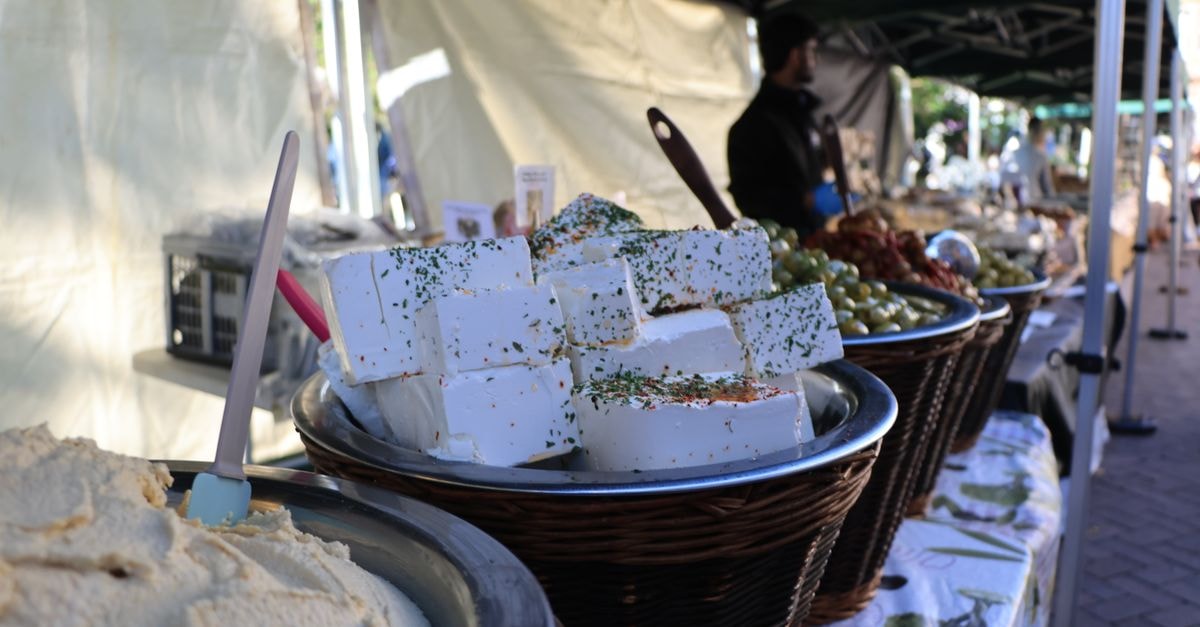
Pilsen is a city where food and beer are part of the cultural fabric rather than an optional extra. The local tourism material frames the city as a place where you can try delicious food from all over the world, which is a useful reminder that the dining scene is not limited to a single tradition, even though Czech flavors are clearly part of the mix.
Two concrete reference points help anchor a food plan. One is the restaurant mentioned in the city's traditional and modern Czech cuisine overview, located at Veleslavínova 4, which sits very close to the historic center. Another is the Švejk restaurant U Pětatřicátníků on Riegrova Street, named after the famous literary character. Beyond these named spots, the wider Czech dining culture that visitors may encounter in Pilsen typically includes hearty, meat-forward dishes, soups, dumplings and pastries, and of course beer served as a normal companion to a meal rather than a separate event.
A short note on practical fit: travelers who like to plan a single relaxed lunch near the main square may find the Veleslavínova address convenient, while readers who prefer a themed setting tied to Czech literary culture may be drawn to the Švejk restaurant on Riegrova Street. If you prefer to keep meals flexible, the compact center means you can move between several options in a single afternoon without committing to one venue in advance.
Choosing what fits your Pilsen trip
For a short city-focused stay, the most efficient shape is one full day in the historic core, built around the Cathedral of St. Bartholomew on the main square, with a tram or trolleybus ride added if you want to reach a sight further out. For travelers who want a slower, more food-and-beer-led rhythm, two days allow time for a relaxed lunch near the old town, an afternoon in a café, and a more deliberate evening in a traditional Czech restaurant without compressing everything into a single rushed block.
Readers who prefer to keep moving may suit a base around the main square and rely on PMDP trams, trolleybuses and buses for anything beyond a comfortable walk. Readers who would rather settle into one neighborhood and explore outward on foot can do that too, since the core is compact enough to cover on foot in a day. In both styles, the Integrated Pilsen Transportation system keeps regional outings simple, since one proof of payment covers both municipal and regional travel.
If you have a specific interest, let it lead the day: heritage travelers can prioritize the cathedral and the wider historic layer around it, while travelers whose interest leans toward food and beer can use the official tourism categories around Pilsner beer and Czech cuisine as a starting framework and then follow their curiosity from there.
A short verification note before you go
Because transport routes, payment methods on board, opening arrangements at individual sights and restaurant hours can change over time, it is worth checking the current details through the city's official tourism channels and the public transport operator before you travel. The factual guidance above is drawn from city-level sources and is meant as a planning starting point rather than a live confirmation of any specific timetable, price or opening arrangement on the day you arrive.
Prices, opening hours, schedules, reservation rules, and local conditions can change; verify them through official channels before departure.
Share this article
TOOLS FOR THIS PLAN
Make the Pilsen plan measurable
Choose a tool only when it answers the next question in your trip. Your values stay in the browser, and each tool offers a route back to this planning context.