A highland capital worth slowing down for

There is a particular kind of city that does not rush to greet you. Perched on the edge of Madagascar's high plateau and ringed by terraced rice paddies and vineyards, Fianarantsoa is that kind of place. Locals shorten the name to "Fianar," and the rhythm of the town tends to match the gentle fall of the elevation, not the itinerary of travellers racing toward the rainforests or massifs further south. For visitors building a longer Madagascar route, Fianarantsoa reads less like a dot on the map and more like a chapter break, the sort of stop where you linger for a cup of coffee and find yourself staying another day.
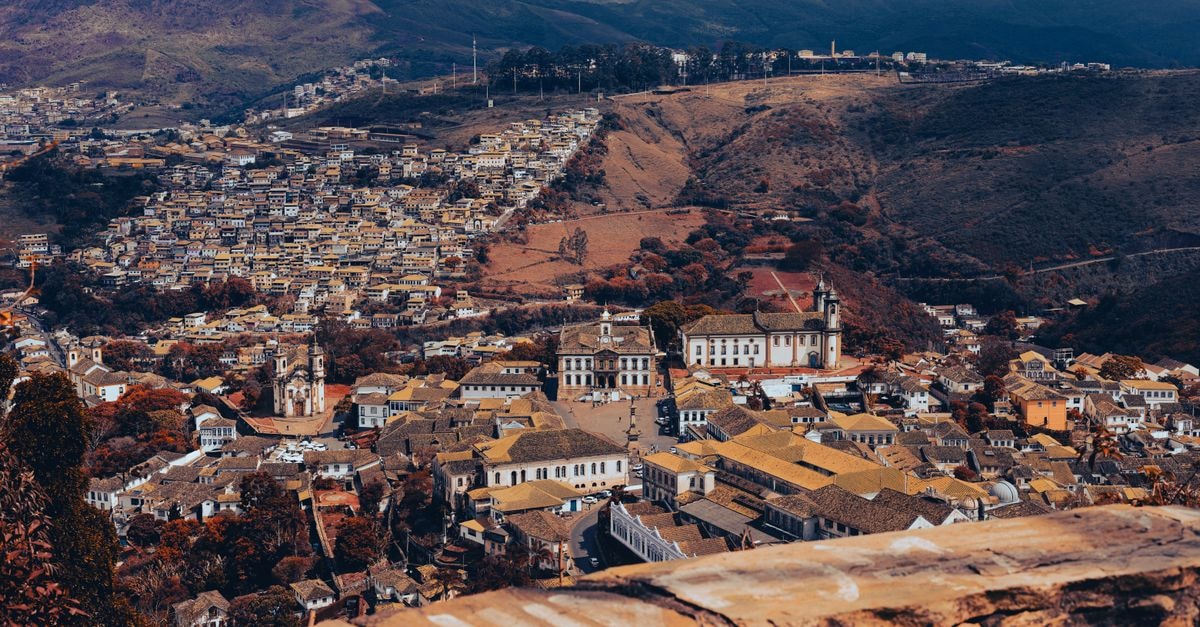
The city has long carried a reputation as the cultural and intellectual centre of Madagascar. Set in the south-central Haute Matsiatra region, it is also known for its historic churches, its traditional houses, and the vineyards that spill out toward the surrounding hills. The combination, terraced agriculture, nineteenth-century architecture, and a university-town feel, gives the place a layered character that rewards a slower pace.
Weather and seasonal context
Fianarantsoa sits high enough that the climate feels different from the coast. The highlands stay cool year-round, which is one of the most useful things to know before packing. Layers are essential; mornings can begin with a chill, midday warms up, and evenings often return to that highland crispness.
Seasonally, the cool, dry season from roughly April to October tends to offer the most comfortable touring conditions. That window is when roads through the highlands feel most inviting, when the air is drier, and when the terraced landscape around the city shows off its colours under steady light. Travellers who arrive during the wetter months should expect greener scenery and the occasional heavy downpour, and they should plan for muddy paths and a slower pace. Even in the cooler season, the altitude means the sun is strong by midday, so a hat and sunscreen belong in the daypack alongside a light jumper.
Getting around and getting here
Fianarantsoa is one of those Malagasy cities where transport choices shape the experience as much as the sights do. The most evocative way to arrive, or to leave, is on the FCE train. The rail line connecting Fianarantsoa to the east coast at Manakara is famous for its sweeping descents through forests and across bridges, and it is a route that doubles as an attraction. From Fianarantsoa, it is also possible to continue eastward by train and then pick up a flight from Manakara, either back toward the capital or onward to Tolagnaro (Fort Dauphin) along the southern coast. For travellers piecing together a longer Madagascar itinerary, this train-plus-flight combination is often the easiest way to connect the highlands with the south.
For air travel in or out of the region, schedules and pricing are handled by the national carrier, and visitors should confirm flight details directly with Air Madagascar before committing to a connection. Domestic flight availability in Madagascar shifts, and treating the timetable as something to verify, rather than something to assume, is the more comfortable approach.
Once in the city, the most useful local resource is ORTF, the tourist association for the urban community and Mahatsiatra region. ORTF brings together a network of specialised local guides, accommodation providers, and craftspeople, as well as restorers who work with the products and heritage of the surrounding territories. For independent travellers, stopping by or contacting the association early in a stay is a practical way to arrange a guided walk through the old town, to find a vetted guesthouse, or to connect with artisans producing textiles, woodwork and other regional crafts.
Attractions and planning the days
Fianarantsoa's identity as the intellectual centre of Madagascar shapes how a thoughtful visitor spends time here. The University of Fianarantsoa is one of the country's oldest, and the presence of students, bookshops, and cafés gives the upper town a noticeably youthful energy. That energy pairs well with the older quarters below, where nineteenth-century houses lean into narrow lanes and stone steps.
The historic churches are a natural starting point. They reflect the missionary presence that shaped much of southern Madagascar's built heritage, and several sit on or near the ridges of the upper town, which offers long views back over the terraced vineyards. Walking between them is one of the most satisfying ways to feel the geography of the place.
The vineyards themselves, the rice terraces, and the surrounding hills form a softer, slower circuit of sights. Visitors do not need a vehicle for much of the urban core; the upper town, the lower town, and the lanes between them can be covered on foot with a comfortable pair of shoes. The terraced landscape is best appreciated at the edges of the day, when light slides across the paddies and the city softens into evening.
For pacing, treat Fianarantsoa as a two- or three-night stop rather than a transit point. That gives time for a guided heritage walk through ORTF's recommended contacts, a quiet afternoon in the upper town, and a day set aside for the surrounding vineyards and rice terraces. Travellers continuing on to the east coast can plan the FCE train as a full-day activity rather than a transfer, and those heading south have time to organise onward logistics without rushing.
Practical notes for an independent traveller
A few small details make the stay more comfortable. Layered clothing is the single most useful packing choice for the highlands, regardless of season. Walking shoes with decent grip help on the cobbled slopes between the upper and lower towns. Cash in the local currency is the safer default for small guesthouses, market purchases and guide fees, and cards are not universally accepted outside larger hotels.
Because schedules for the FCE train, domestic flights, and even some guided tours can change, treat any timetable you read online as a starting point rather than a guarantee. ORTF, the local tourist association, is the most reliable in-person contact for up-to-date advice on guides and accommodation, and Air Madagascar remains the reference for domestic flight information.
Above all, give the city its due. Fianarantsoa is the kind of destination that rewards the traveller who pauses. With its highland light, its historic lanes, and its role as Madagascar's intellectual capital, it offers a different rhythm from the country's better-known parks and beaches, and that different rhythm is, in many ways, the point.
*Factual conditions can change, so confirm train schedules, flight times, guide availability and accommodation details with official providers such as ORTF and Air Madagascar before departure.*
Prices, opening hours, schedules, reservation rules, and local conditions can change; verify them through official channels before departure.
Share this article
TOOLS FOR THIS PLAN
Make the Fianarantsoa plan measurable
Choose a tool only when it answers the next question in your trip. Your values stay in the browser, and each tool offers a route back to this planning context.