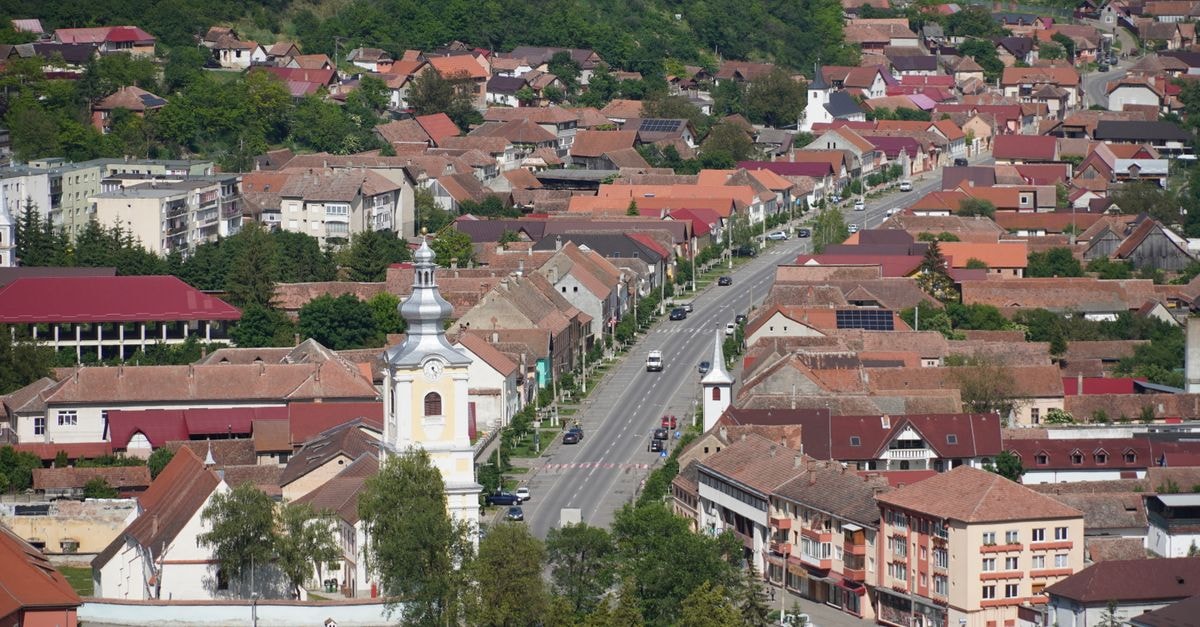
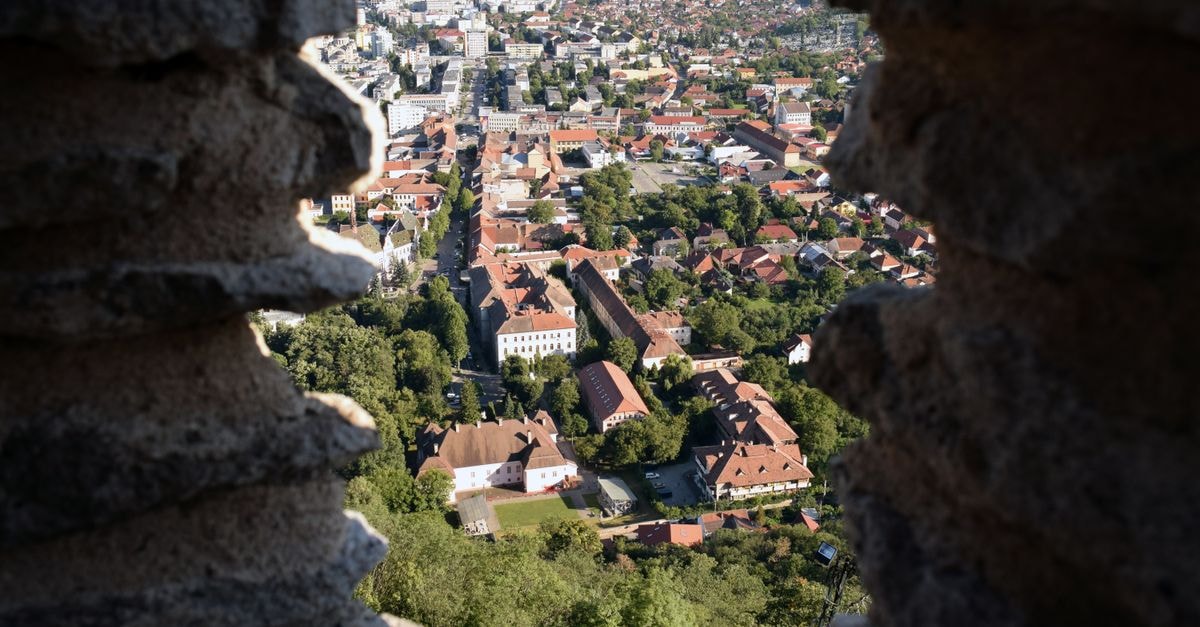
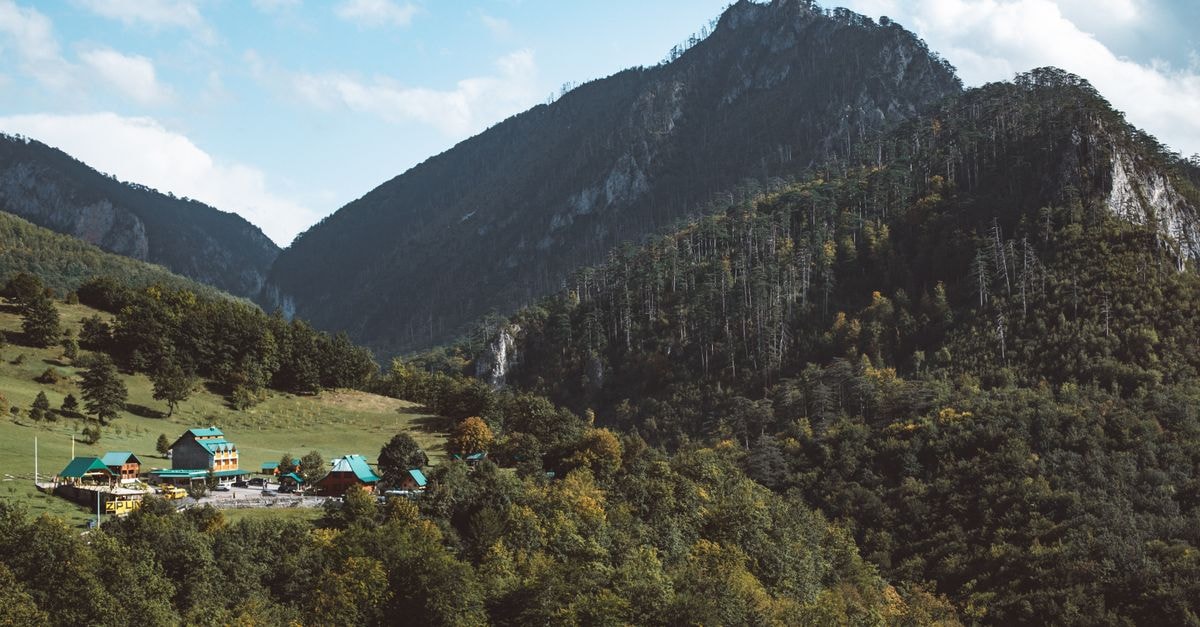
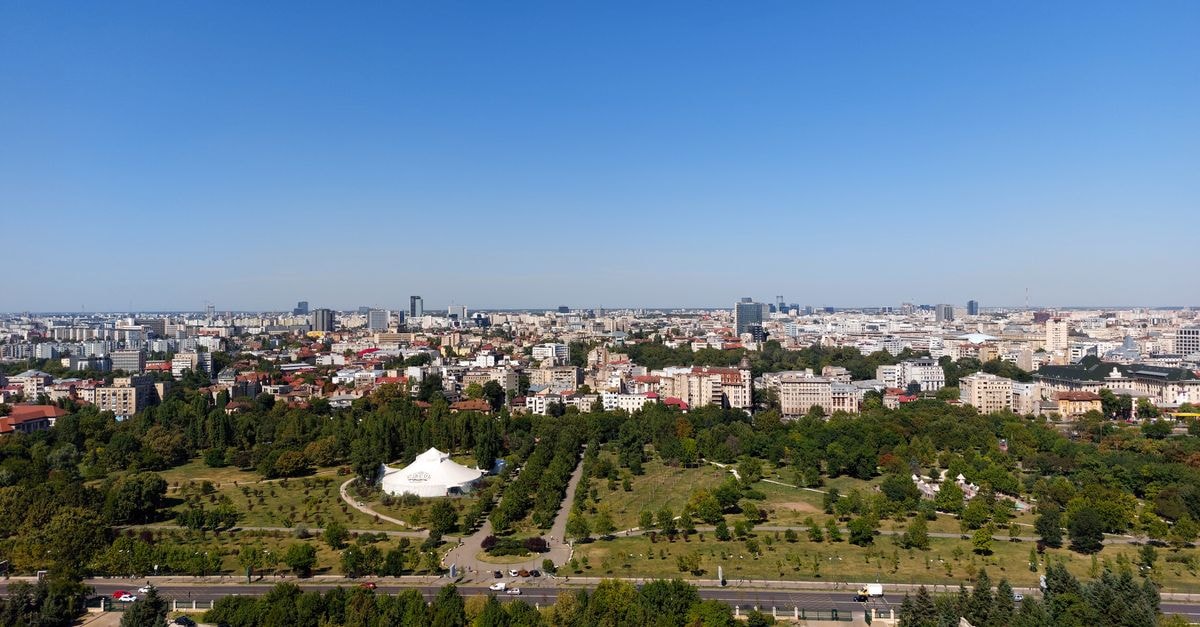
There is a particular pleasure in stepping off a train in a Romanian town that has not been polished for postcards. Focșani, set on the banks of the Milcov River in the historical region of Moldavia, carries that quieter character. It is a city best read on foot, with a Union Square at its core and a few landmark buildings to track down. This guide gathers the practical groundwork — climate, getting around, things to see, and the food scene — so a first visit can unfold at its own pace.

Getting around
Focșani is small enough that walking covers much of the central experience, but the city's transport infrastructure is straightforward and worth knowing in advance.
The rail gateway is Focșani Train Station, located in the western part of the city in Vrancea County. It serves as the main arrival point for visitors continuing onward by rail into Moldavia or back toward Bucharest. If you are mapping your route from the station into the center, expect a relatively short journey into the heart of town.
For travelers who prefer not to plan every leg in advance, this combination of a walkable core, a centrally placed rail station, and a named urban operator keeps logistics light. Confirming current timetables and ticket options directly with the operator is a sensible step before relying on a specific departure.
Attractions and planning
Focșani reads as a layered Moldavian town, and a relaxed half-day is usually enough to pick up its main threads. The city sits on the Milcov River in eastern Romania, and its historical heart is anchored by Union Square. From there, the street plan opens up in the unhurried way typical of Romanian county capitals.
Among the named landmarks, the Old Church of Saint Nicholas is referenced as a city attraction. Practical visitor details — opening hours, services, and admission — are not covered in the source material, so it is worth checking directly with the parish or the local tourism office before planning a visit. Treat the church as a worthwhile stop rather than a scheduled item.
The general shape of Focșani suits travelers who like to combine a central square, a short walk to a riverside view, and one or two historic buildings without the pressure of a packed itinerary. If you enjoy tracing a town's identity through its public spaces rather than its museum count, this is the kind of place where that approach pays off.
Food and local context
Food in Focșani leans firmly toward Romanian home cooking. Local dishes like mici (grilled rolled meats) and sarmale (cabbage rolls stuffed with meat and rice) are common, and they reflect a wider Moldavian and Romanian table that visitors will encounter across the country. These are everyday plates rather than restaurant theatre, which is part of their appeal.
The international scene is limited, though there are some Italian and Turkish spots operating in the city. For travelers who want a full week of local cuisine, Focșani supports that comfortably; for those craving variety beyond a couple of cuisines, expectations should be set accordingly. Within Romania more broadly, meals tend to be hearty and meat-forward, with soups, stews, and polenta-style sides appearing regularly — context visitors may run into during their stay.
A practical approach is to anchor one or two meals around mici or sarmale at a local restaurant, sample whatever seasonal sides appear on the menu, and treat any Italian or Turkish option as a light break rather than a quest. Prices, opening hours, and specific menus for individual establishments are not covered in the source material, so it is reasonable to check current listings before relying on a particular spot.
Choosing what fits the trip
Focșani rewards travelers who want a short, grounding stop rather than a checklist city. The combination of a walkable center, a single main rail station, a named local bus operator, and a compact food scene means most of the planning can stay light. If your priority is tracing a smaller Moldavian city's everyday rhythm — its square, its river setting, its church, and its traditional plates — the evidence here covers exactly that shape of visit. If instead you are looking for a dense cluster of museums, late-night dining, or a wide range of international cuisines, you may find the city's scale a little modest, and pairing Focșani with a longer stay elsewhere in Romania could be worth considering. None of this changes the city's character; it simply frames who may enjoy it most.
A quick note before you go
Factual details around transport, opening hours, and the food scene can change, and the practical facts gathered here are meant as a starting framework rather than a live confirmation. Before departure, it is worth checking current timetables with Transport Public SA Focșani, confirming any church or attraction details with the local parish or municipal office, and reviewing your chosen restaurants' latest hours. Travel conditions shift, and official channels remain the most reliable reference.
Share this article
TOOLS FOR THIS PLAN
Make the Focşani plan measurable
Choose a tool only when it answers the next question in your trip. Your values stay in the browser, and each tool offers a route back to this planning context.