A narrative overview of Bacău

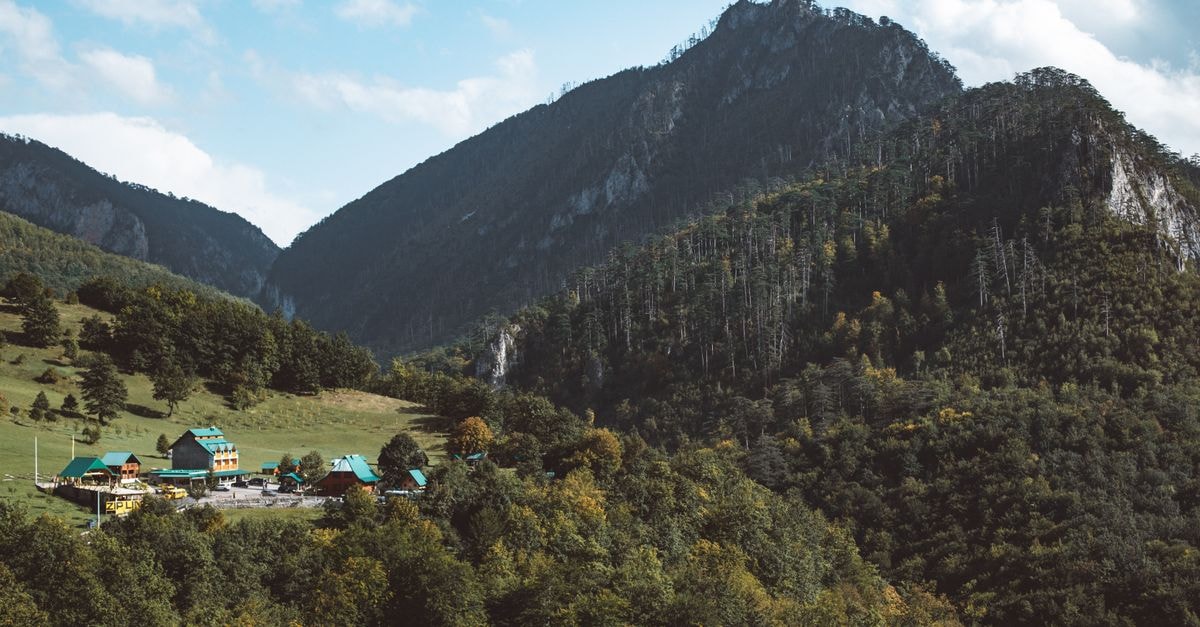
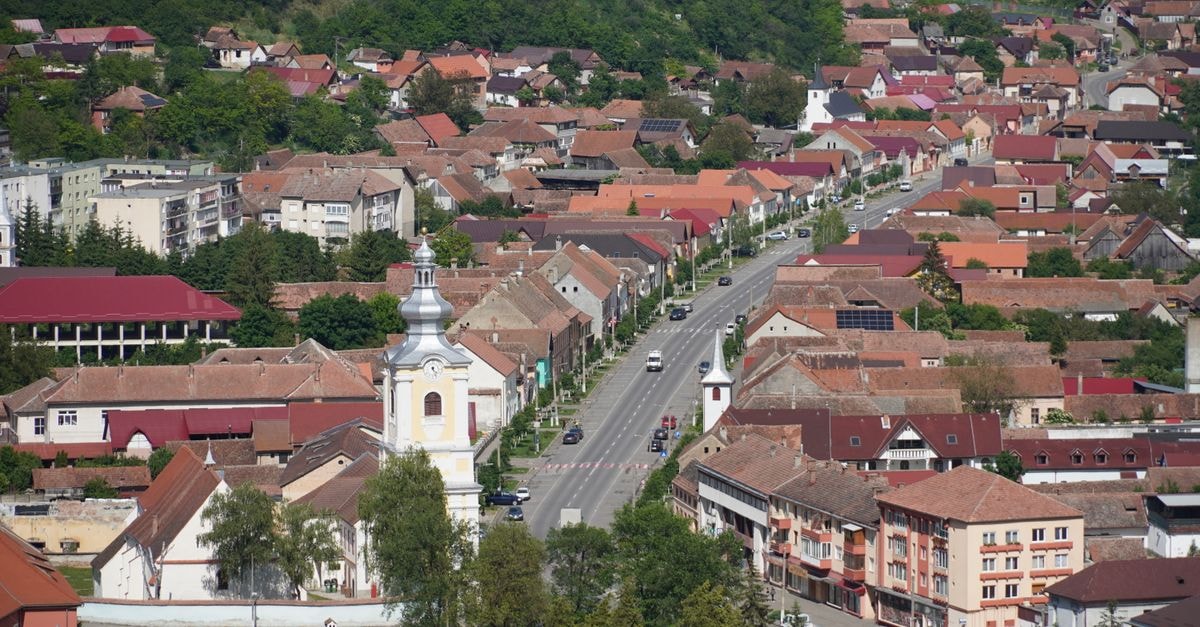
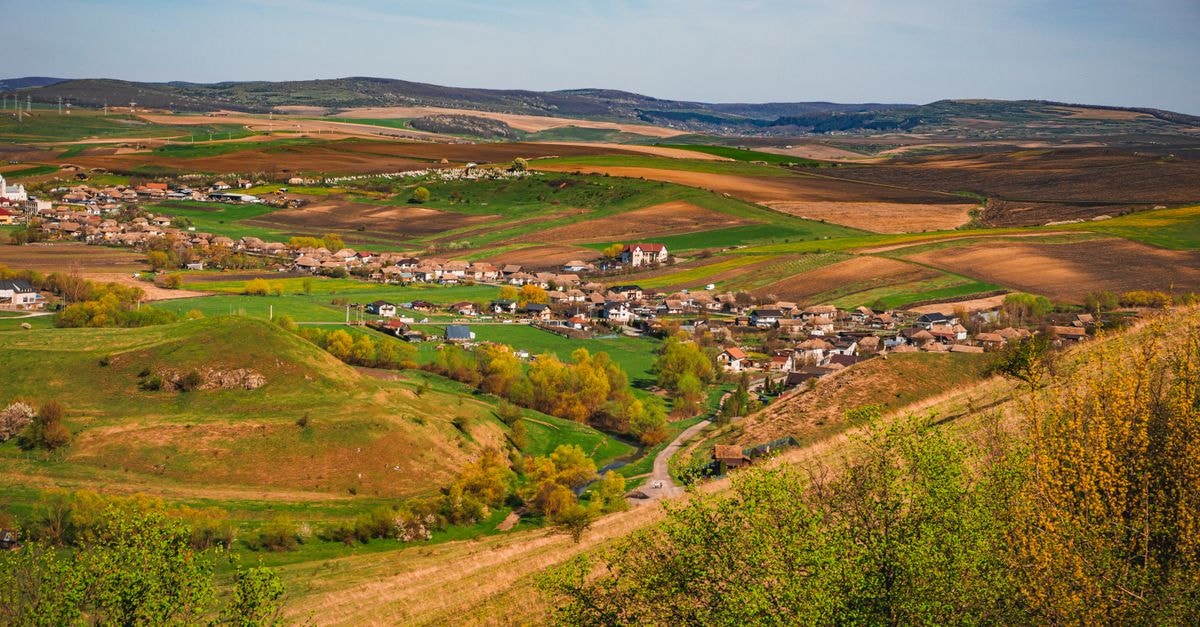
Tucked into the rolling terrain of eastern Romania, Bacău has the unhurried rhythm of a Moldavian city which still keeps its industrial pulse while leaning gently toward the Carpathian foothills. The climate is described as temperate continental with many local nuances, and the average annual air temperature ranges from about 4–6°C in the mountainous west of the region to 8–9°C further east, which means the air can feel distinctly crisp in the cooler half of the year and pleasantly warm during the long summer days. Visitors who like a city that doubles as a launch pad for nature often find Bacău appealing, because the surrounding geography blends plains, river valleys and forested ridges without demanding long transfers.
For independent travelers, the appeal is layered rather than flashy. There is the comfort of a regional capital with everyday services, alongside a Moldavian regional identity expressed in food and village culture. The guide below keeps the focus tight: how the climate shapes the rhythm of a visit, what transport access looks like for those arriving by air, and how food culture connects the city to wider Romanian traditions.
Weather and seasonal context
Bacău's climate is categorized as temperate continental, with many local nuances, which is a useful reminder that the county does not behave like a single weather zone. The western, more mountainous parts of the county register annual averages around 4–6°C, while the eastern lowlands sit closer to 8–9°C. That spread matters for how a day in the city may feel: even when the urban core reads mild, a half-day trip toward higher ground can mean noticeably cooler air, windier afternoons, or a sharper drop after sunset. Travelers who pace their sightseeing around the cooler bookends of the day tend to get the most out of the city, especially when planning longer walks along the Bistrița riverfront or in the leafy parks that punctuate the urban grid.
Because the variation is local rather than dramatic, layering is generally a more reliable strategy than packing for a single temperature. A light jacket with a warmer layer underneath handles the typical day, while a scarf or knit cap makes early mornings and late evenings noticeably more comfortable when the continental influence kicks in. Visitors who prefer gentler outdoor hours should consider planning museums, cafés and indoor sights for the middle of the day and reserving outdoor promenades for late morning or late afternoon, when the light is softer and the air less demanding.
Getting around
The city sits within reach of an international connection point, with "George Enescu" International Airport serving as the main arrival hub for travelers flying into the region. For those who land here and want to use the city as a base for outdoor excursions, the Nemira Ski Resort near Slănic-Moldova is a notable regional landmark: it sits at an altitude of 724 meters and follows a north-facing trajectory, which can shape snow conditions and shade on the slopes during the colder months. The north-facing aspect is worth keeping in mind for travelers who are particular about sun exposure on the mountain, and for photographers who prefer softer, more even light.
Within Bacău, the city functions like most Romanian regional capitals: walkable in its central districts, with taxis, buses and rideshare options bridging the gaps to outlying neighborhoods and industrial zones. Travelers arriving by air and heading onward to the Slănic-Moldova area should expect a longer transfer, because the mountain resort is genuinely highland rather than a roadside stop. Pacing the day around a single long outing, rather than chaining the mountain with several other stops, tends to suit the geography better.
Food and local context
Bacău offers a wide range of restaurants where they can enjoy traditional Moldavian dishes alongside international cuisine, which gives visitors room to alternate between regional plates and more universal options across the length of a trip. Moldavian cuisine as a whole leans on slow-cooked meats, polenta-style mămăligă, cheese-heavy fillings, and the kind of soups and stews that suit a continental climate. Travelers who like hearty, bread-forward meals tend to feel at home here, especially in the cooler months, while those who prefer lighter Mediterranean-style plates can usually find them in the international menus that run alongside the regional ones.
The wider Romanian context that visitors may encounter also includes small village traditions that occasionally surface in city restaurants and markets. Borzești, a village in Bacău county, is the place where Stephen the Great is said to have been born and raised, and the church there is one of the historic landmarks that anchors local identity. That heritage does not translate into a specific menu item in the city, but it does explain why Moldavian identity in Bacău feels layered: regional history sits alongside everyday regional cooking, and visitors who are curious about the cultural backstory often find the food scene a friendly entry point. Diners who appreciate menus rooted in regional history may want to ask servers about daily specials or local Moldavian plates, since these tend to reflect the surrounding culture more directly than the standardized international offerings.
Choosing what fits the trip
Bacău rewards travelers who like a city that mixes everyday regional life with access to nature, rather than a checklist of headline sights. A traveler who wants slower urban mornings, an unhurried look at regional cooking, and the option of a highland day toward Slănic-Moldova will likely find the city a comfortable fit. A traveler who prefers dense, walkable old quarters packed into a compact historic center, or who plans to rely on a tightly timed daily itinerary, may want to reconsider how the dispersed geography and continental climate shape each day, and build in margin for the local weather nuances that the regional climate description hints at. The city suits curious, independent travelers who are happy to pair urban exploration with one or two longer outings and who appreciate layering clothing across a temperate continental climate.
A practical note before you go
Factual travel conditions can change, and the details above are intended as durable orientation rather than a guarantee of current openings, prices, or service availability. Check official tourism sources and transport operators before departure for the latest information on airport access, regional transfers, restaurant hours and any seasonal closures.
A small verification question lingers for visitors planning a longer stay: it is worth confirming in advance how the local climate nuances described above translate into your chosen week's daily forecast, since the gap between the eastern lowlands and the western mountain zone can be felt within a single day's outing.
Prices, opening hours, schedules, reservation rules, and local conditions can change; verify them through official channels before departure.
Share this article
TOOLS FOR THIS PLAN
Make the Bacau plan measurable
Choose a tool only when it answers the next question in your trip. Your values stay in the browser, and each tool offers a route back to this planning context.