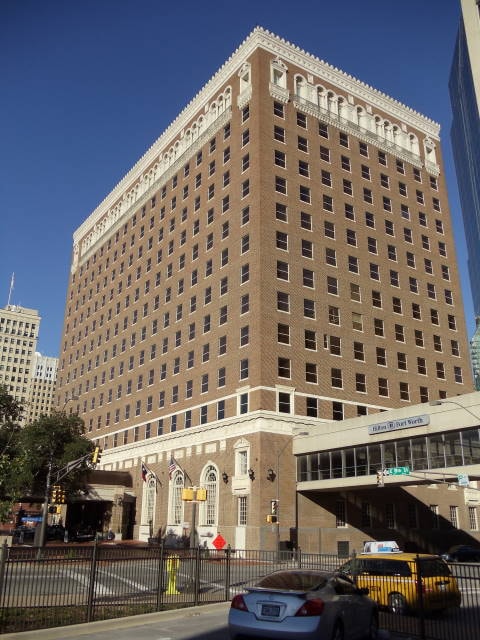
A welcoming crossroads of cowboy past and city polish

Fort Worth has a knack for surprising first-time visitors. Step off the train or bus and you feel two different cities at once: a working Stockyards district that still nods to its nineteenth-century cattle-driving past, and a downtown core where theaters, restaurants and live-music rooms hum well into the evening. The city sits in the center of the country, which makes it one of the easier Texas stops to reach from almost anywhere in the United States.
This guide leans into what the city does best — heritage attractions, a walkable downtown entertainment district, simple ground transport, and a food scene shaped by broader United States culinary traditions. Think of it as a starting map for travelers who want to experience Fort Worth on their own terms.
Weather and seasonal context
The official record does not give us a specific forecast to lean on, so it's wiser to think of Fort Worth in terms of what a typical day can feel like. Plains cities in this part of Texas can shift quickly between warm afternoons, cooler evenings and sudden breezes, so packing a light layer is a habit locals quietly swear by. Travelers planning long stretches outdoors — say, lingering around the Stockyards to watch the cattle drive — often find the morning hours the most comfortable for walking, while indoor venues like honky-tonks and theaters offer a natural escape when the day heats up.
The practical takeaway is simple: build a loose rhythm that lets you move between outdoor sights and indoor culture without overloading either. A café break or a slow meal between midday and late afternoon is a comfortable way to keep your energy steady, especially if you want to stay out for an evening show.
Getting around
Fort Worth's central location means getting into the city is rarely the hard part. Once you're there, the transportation network is built around two friendly options: rail and bus. Both are easy to navigate, which matters when you're traveling with luggage or stepping out after a long day of sightseeing.
For most visitors, the rail line is the most intuitive way to bridge the gap between the Stockyards area and downtown, while buses fill in the smaller distances and connect neighborhoods that the train doesn't touch. If you're staying in one district and want to spend a full day in the other, mixing the two modes tends to feel more relaxed than relying on a single option. Taxis and rideshares remain common, but the city's own network is a budget-friendly way to keep the day moving without thinking too hard about logistics.
A small planning habit goes a long way: glance at the route map the night before, group nearby sights into a single outing, and let the rail carry you between the day's two anchor districts.
Attractions and planning
Two districts anchor most Fort Worth itineraries, and they reward very different moods.
The **historic Fort Worth Stockyards** is where the city's western identity lives. The headline attraction is the world's only twice-daily cattle drive, a long-running tradition that draws both curious travelers and dedicated western-history fans. Right alongside it sits **Billy Bob's Texas**, billed as the world's largest honky-tonk, where the scale of the room is part of the experience. A short walk away, **Mule Alley** has become a destination of its own, with restaurants, retail and the **Hotel Drover**, a MICHELIN-recognized stay that has helped reshape this part of town into a polished overnight base. Whether you stay here or simply wander through, the Stockyards feel like a self-contained half-day at minimum.
Downtown, by contrast, moves at a more modern pace. **Sundance Square** spans a 37-block entertainment district with a mix of shopping, dining, live music and theater. It works beautifully as an evening counterpart to a daytime Stockyards visit: you can take the rail between the two, grab an early dinner downtown, catch a show, and still feel like you've covered two very different sides of the same city.
The smartest planning move is to treat the Stockyards and Sundance Square as a pair rather than competitors. A loose two-day rhythm — one district each day, with a single crossover in between — gives both the attention they deserve.
Food and local context
Fort Worth doesn't announce itself as a single-cuisine city, and that's part of the charm. The food you'll encounter in Stockyards restaurants, Sundance Square dining rooms and neighborhood cafés sits inside a much wider American culinary conversation. United States cuisine is famously a melting pot, shaped by regional ingredients, migration patterns and the everyday creativity of home cooks turned professionals. Diners in Fort Worth tend to find that same breadth on the menu — familiar comfort plates alongside more contemporary takes — without the city leaning on a single signature dish.
For independent travelers, this is a genuine plus. You can follow your mood: a long, easy lunch at a Stockyards restaurant after the cattle drive, a casual dinner downtown before a theater show, or a late bite after a honky-tonk set. Because the scene is diverse rather than narrowly defined, dietary preferences and curiosity-driven eaters both tend to feel looked after.
The practical advice here is short. Eat where you already are. The Stockyards and Sundance Square both concentrate enough dining variety that you rarely need to travel across town for a specific meal, and the surrounding neighborhoods reward anyone willing to wander a few blocks off the main strip.
A final note before you go
A few small habits will make any Fort Worth trip smoother. Build your day around two anchor districts rather than a long list of stops. Use the rail and bus as your default, and save rideshares for the late-night return. Carry a light layer, even on warm-looking days, and let the city's indoor venues give you a comfortable break when you need one.
Travel conditions — schedules, opening hours, special events — can shift, so it's worth confirming details through the city's official visitor channels before you head out. The picture painted above is a durable one, drawn from how the city presents to visitors rather than from a specific date or season, which means it should hold up well across many trips to come.
Prices, opening hours, schedules, reservation rules, and local conditions can change; verify them through official channels before departure.
Share this article
TOOLS FOR THIS PLAN
Make the Fort Worth plan measurable
Choose a tool only when it answers the next question in your trip. Your values stay in the browser, and each tool offers a route back to this planning context.