Weather and seasonal context

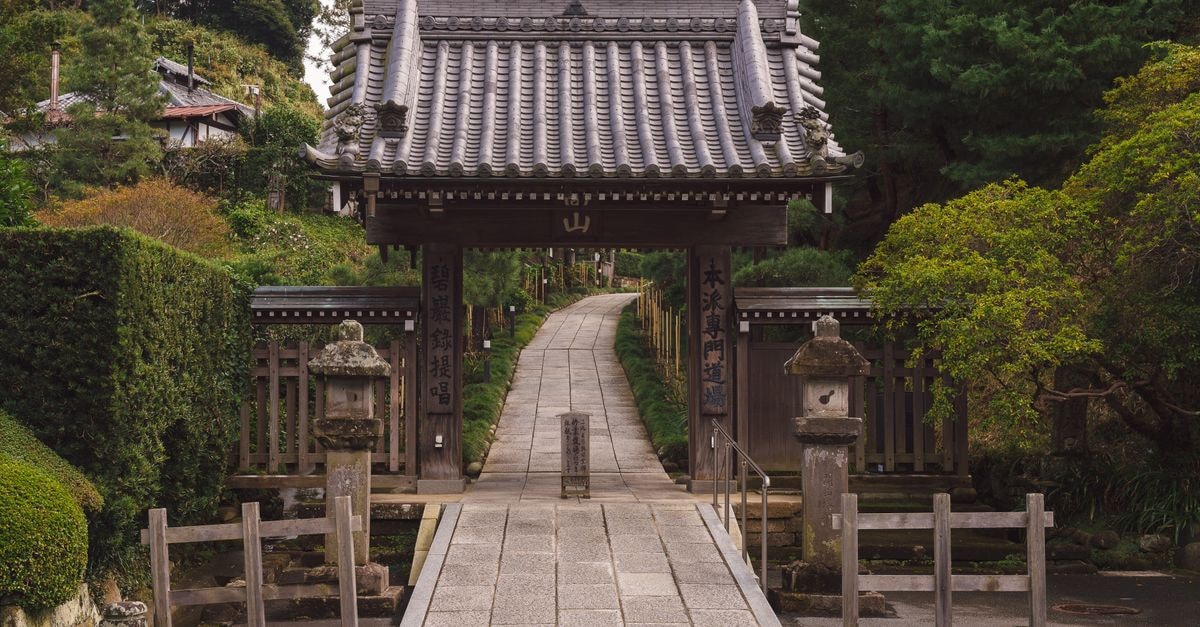
There is a noticeable shift in how Hiratsuka feels across the year, and the broader Japanese landscape moves with it. As the foliage begins its gold and orange turn, the same stretch of town that buzzes with bright streamers and summer crowds earlier in the year softens into a calmer, leafier mood (F1-2). One widely held view is that this shoulder period is one of the most beautiful seasons to be in Japan at all, though that is a feeling rather than a measured climate fact (F1-1). Treat the change as a stylistic one: quieter streets, gentler light, and an atmosphere that lends itself to slow walks rather than packed festival schedules.
Because demand can move quickly around festival periods and other regional draws, booking accommodation in advance is widely suggested for Hiratsuka (F3-1). That single piece of practical advice tends to matter more than any specific weather forecast. Pairing an early reservation with low-impact choices, such as using public transport and disposing of waste responsibly, also fits the city's character and helps keep the coastal environment clean (F3-2). General travel platforms describe Hiratsuka as a place with up-to-date information on scenic spots and local hangouts, which is a useful reminder to cross-check current event listings before you go (F4-1). Mountain climbing and night-viewing spots reached via the Enoshima Electric Railway are part of the broader Shonan experience, though exact conditions and opening details should always be confirmed closer to your visit (F4-2).
Getting around
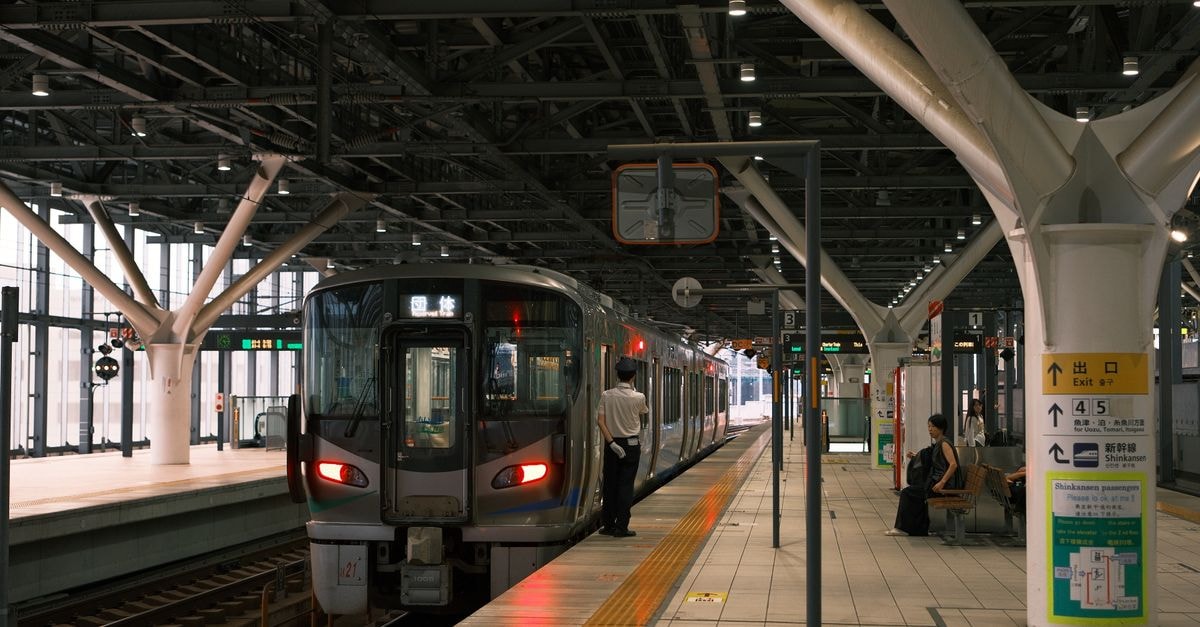
Hiratsuka is straightforward to navigate, and the rail network is the friendliest way in and out. A short train ride from elsewhere in Kanagawa drops you straight into the centre of the action, particularly during the Tanabata Festival, which has run in some form since 1951 and is famous for its enormous decorations, lively streets and unmistakably Japanese summer atmosphere (F2-1, F2-2). That festival footprint is large, so expect walking to dominate once you arrive by rail.
If you are after something more unusual, the velodrome near the city hosts bicycle races where track cyclists sprint at over 70 km/h, a scene that visitors describe as breathtaking and surprisingly immersive once the strategies and speeds unfold (F5-1, F5-2). It is a different rhythm from the coastal walking and a nice contrast on a slower day. Parks along the coastal strip offer shops, changing rooms and equipment rental for various activities, which is helpful if you want to swap walking for something more active without leaving the town (F6-2). Plan to confirm any rental or activity hours locally, as listings shift with the season.
Food and local context
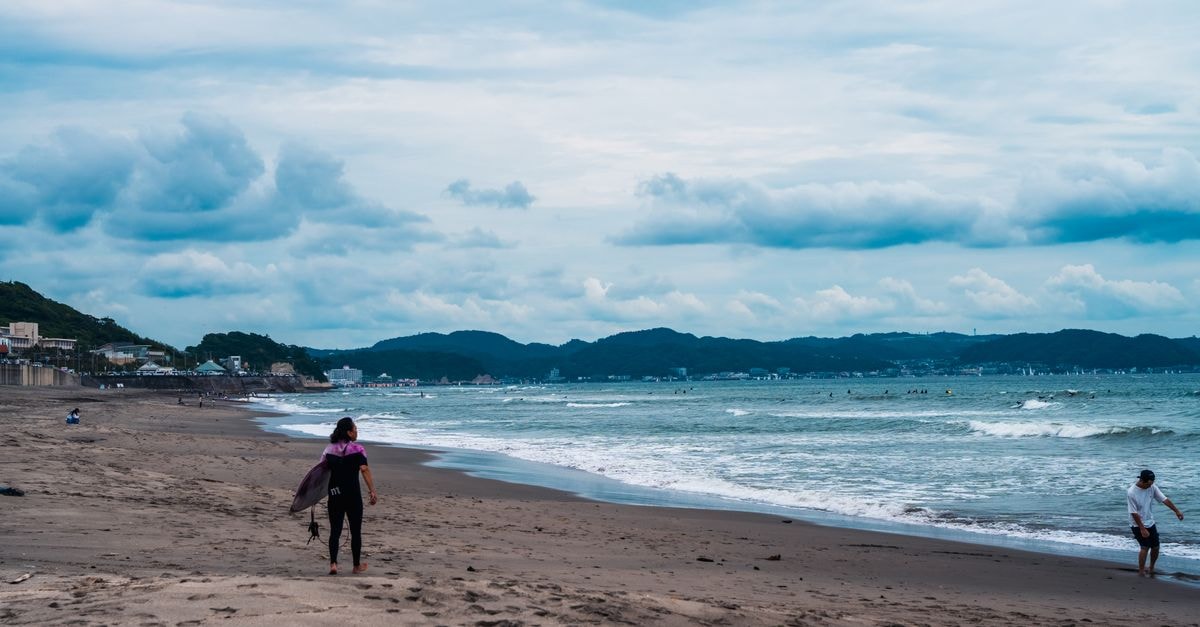
Hiratsuka is known regionally for its annual Tanabata Festival, and outside festival week it reads as a pretty coastal town with a working harbour (F7-1). The food story ties directly to that harbour. At the Hiratsuka Fishing Port Restaurant, fresh fish landed at Hiratsuka fishing port in the morning can be eaten locally on the same day, which is the core idea of the restaurant itself (F8-1, F8-2). The address, 66 Hiratsuka, 51-14 Sengokugashi, Hiratsuka City, Kanagawa Prefecture, is the kind of detail worth pinning before you head out so you can build a meal around it rather than around a hotel district.
If you prefer to eat within sight of where the boat came in, this harbour-side setup may suit you. If you prefer a more general menu, the same area tends to have casual options around the station, though specific restaurant picks beyond the fishing port restaurant are best checked on the day.
Choosing what fits your trip
If you care most about festival colour, plan around the Tanabata streets and the rail access that delivers you to them, accepting that the town will be busy and that early bookings help (F2-1, F3-1). If you would rather trade spectacle for harbour calm, consider anchoring a day around the fishing port restaurant and the coastal parks, where rental gear can replace long walks with a lighter activity (F8-1, F6-2). Travellers drawn to niche experiences may want to time a velodrome visit into the same trip for a contrast to the festival and food scenes (F5-1). Whatever you choose, leave room in your schedule for the kind of slow Shonan evening that the autumn light tends to invite, and use public transport to keep the coastal setting pleasant for everyone else (F3-2, F1-2).
Before you go
Factual conditions around Hiratsuka, from festival dates to restaurant hours, fishing port opening patterns, velodrome schedules and park rental availability, can change over time. The details in this guide reflect approved source information and general travel guidance rather than live status. Check official channels and current listings before you travel so your plans match what is actually running when you arrive.
---
**Disclaimer:** Travel conditions, transport details and operating hours change frequently. Treat this guide as durable orientation rather than a live schedule, and verify any checkable detail through official sources before departure.
Share this article
TOOLS FOR THIS PLAN
Make the Hiratsuka plan measurable
Choose a tool only when it answers the next question in your trip. Your values stay in the browser, and each tool offers a route back to this planning context.