A first impression of Fürth

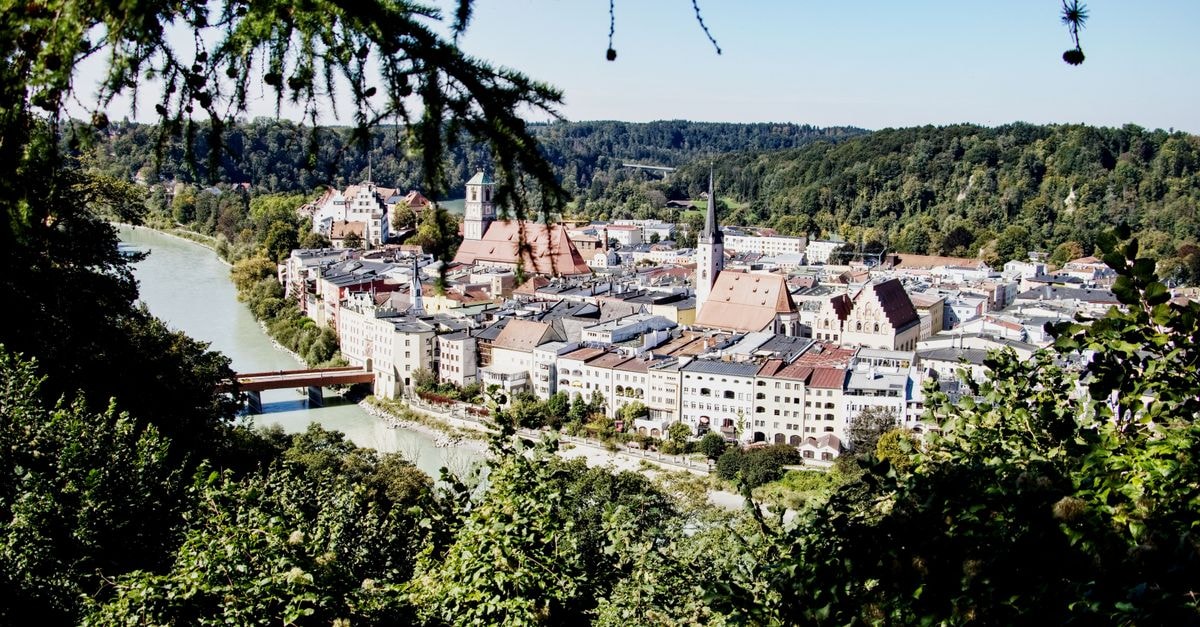
Fürth sits quietly next to the more famous Nuremberg, the kind of place that travelers often pass through on the way somewhere louder. Spend a day here and the city reveals a different rhythm: cobbled streets in the old core, a long brewing tradition, and the unhurried feel of a Franconian town that has kept its scale human. For visitors who prefer walking between sights rather than racing across a metro map, Fürth is generous: most of what you came to see is folded into a compact center, and the surrounding neighborhoods carry that gentle Bavarian-Franconian mood that rewards a slow look.
What makes Fürth most interesting is its layered identity. You can sense Jewish heritage woven into the urban fabric, a theatrical heart near the main church, and the everyday pride of a mid-sized German city that still feels lived-in rather than curated. This guide leans into that feeling, drawing only on the small set of facts that can be stated with confidence.
Weather and seasonal context
Long-term climate context for Fürth follows the familiar pattern of the wider region: summers tend to be the warmest stretch of the year, winters the coolest, with rainfall distributed across the seasons rather than concentrated in one window. For a city built around outdoor walking between streets and squares, that rhythm matters less than the day you happen to be there. Pack layers you can shed or add as you move between shaded alleys and sunlit piazzas, and consider planning your heaviest sightseeing for the cooler bookends of the day if temperatures climb. The city's center is compact enough that a brief pause at a café between two landmarks is a practical, not a guilty, choice.
If you want to pair a visit with broader German weather planning, regional climate pages can offer a fuller year-on-year picture than any single monthly snapshot, and Fürth's own climate page rounds out that context with a detailed monthly overview.
Getting around
Fürth's public transport runs through the VGN, the regional network that ties the city into the surrounding area. A useful detail to know before you tap or punch a ticket: fares and zones follow VGN's structure, and passengers over 18 typically travel as adults in the fare system, while younger riders fall under child or youth pricing. That single rule shapes most ticket decisions for independent travelers.
Tickets can be picked up through several everyday channels that fit different travel styles. The "VGN Fahrplan & Tickets" app lets you plan and pay before you leave home or your hotel, and additional ticket channels include ticket vending machines placed around stations and major stops for quick top-ups. Bus drivers sell tickets directly on board if you board without one already in hand. For longer questions, exchanges, or specialty items, the DB Reisezentrum Fürth (Bay.) acts as a service center in the city.
For a short stay, the practical advice is simple: choose the matching ticket from one of the channels above for the journeys you plan to make, and keep a screenshot of your fare zone handy. The network is set up so the route and the ticket read each other clearly.
Attractions and planning
The historic core of Fürth is a short walking stage, and two anchors help frame any visit. The Stadttheater Fürth is positioned in the city centre, tucked between the Church "Zu unserer Lieben Frau" (Church of Our Dear Lady) and the Town Hall. That triangle is essentially a self-guided tour: a baroque-feeling church, a civic building, and a working theater steps from each other, giving you the architectural bones of the city without backtracking. If performance schedules match your dates, the theater is worth checking; if not, the exterior and the surrounding square are a calm place to pause.
The second anchor is the Fürth museum, and what sets it apart is less its collection than its setting. The museum is housed in the former home of an important Jewish family from the 17th century, and includes a mikveh (a traditional ritual bath) and a sukkah (a temporary hut used during the Jewish festival of Sukkot). Visiting is a quiet way to engage with the long Jewish history of Fürth, a strand of the city's story that is less visible on the street than inside these walls. The 17th-century domestic space, combined with these religious features, gives the museum a layered atmosphere that rewards unhurried reading of the displays.
Beyond these two anchors, treat the rest of your visit as a soft drift rather than a checklist. Cafés and small shops fill the streets between the church and the Town Hall, and the residential blocks just outside the core carry the lived-in texture of a Bavarian-Franconian neighborhood. Two or three hours is enough for a focused loop of the highlights; a full day allows you to slow down and add a meal break without feeling that you have run out of things to look at.
Verification and final reminder
Travel conditions change: weather shifts, ticket channels update, venues revise hours, and transport networks adjust routes. Treat this guide as a starting framework grounded in durable facts about Fürth, and confirm any specific schedule, price, or opening detail through official channels close to your travel date. For currency matters, exchange rates are only a reference and the live rate on the day of exchange is the one that applies.
Where facts in this guide are checked against an outside source, the underlying evidence is the only support used. No nearby destinations, day trips, or city-specific specialties have been inferred beyond what the sources directly state, and nothing here should be read as a guarantee of current opening status, crowd levels, or service availability. Fürth is best approached with this same patient curiosity: slow down, look closely, and the city will tell you what it has to offer.
Share this article
TOOLS FOR THIS PLAN
Make the Fürth plan measurable
Choose a tool only when it answers the next question in your trip. Your values stay in the browser, and each tool offers a route back to this planning context.