A southern city that still feels like a find

There is a particular pleasure in arriving somewhere that has not been polished into a postcard. Gabès, a coastal city in southern Tunisia, sits in that category. While many visitors to Tunisia cluster along the northern resort strips, Gabès still feels mercifully off the tourist track. The reward for making the trip south is a place where daily life is plainly visible: a working harbor atmosphere, a modest pace, and the kind of local texture that has been smoothed away in busier destinations.
This is not a city built around a single iconic sight. It is a place whose appeal grows as you settle into its rhythm, sip coffee in the central square, and wander past stalls that are selling to neighbours as much as to visitors.
Weather and seasonal context
The climate of southern Tunisia is generally warm for much of the year, and Gabès, as a coastal oasis, carries that character with it. Because this guide is written to be useful year-round rather than tied to a specific date, the practical advice below focuses on how the city actually feels to walk through rather than on a forecast.
Light, breathable layers are a sensible default for exploring the medina and the seafront. The sun in this part of Tunisia can feel strong even when the air temperature is moderate, so a hat and water bottle are useful companions for any walk between the souks and the coastal edge. Mornings and the later hours of the day tend to be the most comfortable window for unhurried wandering; the middle of the day can feel slower-paced in the local rhythm, which is itself part of the experience of being somewhere that is not packaged for tour groups.
Accommodation in Gabès is functional rather than atmospheric, which is useful context for setting expectations. Visitors who place a high priority on atmospheric boutique hotels may prefer to look elsewhere, while those who are happy with a comfortable base for daytime exploring will find the city easy to settle into.
Café culture around the main square is one of the most pleasant everyday rituals in Gabès. Coffee and a pastry typically cost around 3–6 TND, which makes lingering over a second cup easy on the budget. Markets offer excellent value for crafts and produce, though prices may rise in tourist hotspots or during festivals, so a little awareness of where you are standing is useful when bargaining or browsing.
Getting around and what to see
Gabès rewards visitors who treat it as a base for slow discovery rather than a checklist. A five-day journey through Tunisia starting from Gabès is described by local tour planners as a way to travel through centuries of history, from the grandeur of the Roman Empire to the spirituality of Islam, while savouring the cultural and gastronomic richness of Tunisia. That longer framing is useful as context, but within the city itself the appeal is more intimate.
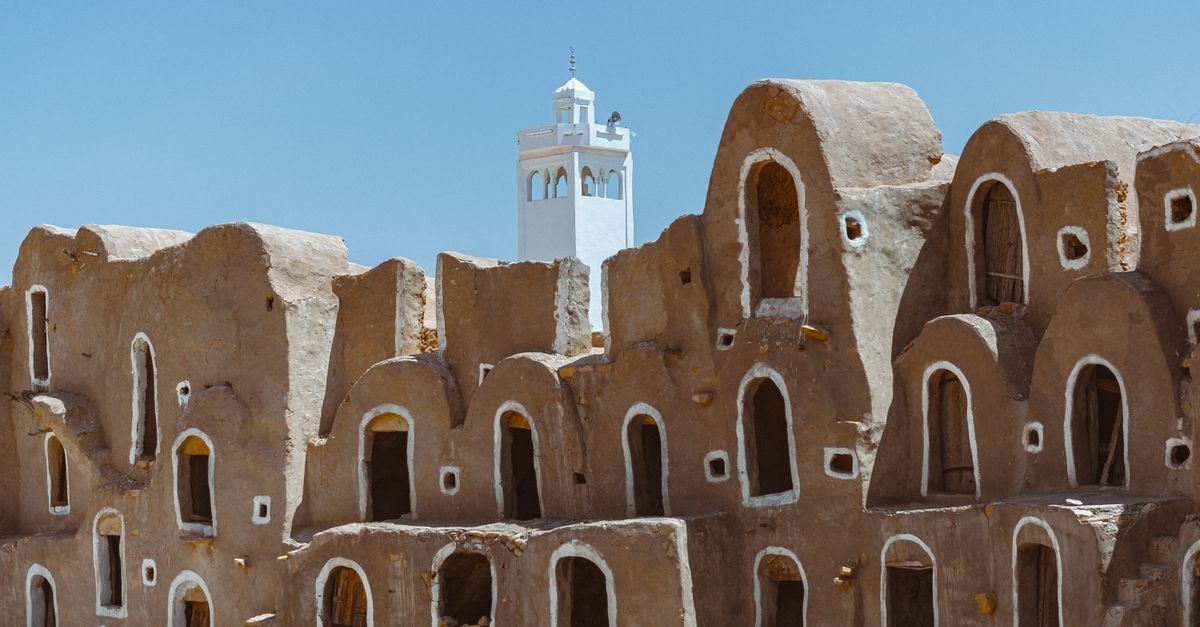
Two landmarks stand out for their character. Jara Mosque, a beautiful mosque with unique architecture dating back to 1650 AD, anchors a sense of the city's long history and is worth slowing down near. A short distance from the urban centre, the El Hamma Botanical Garden offers a very different atmosphere: a botanical garden with more than 100 different species from all over Tunisia, it is a calm counterpoint to the bustle of the markets and the seafront. If you prefer gardens and green spaces over dense sightseeing circuits, this may suit you as a particularly welcome pause.
The city is described in overview materials as a charming place in southern Tunisia known for its beautiful sandy beaches, lively markets, and vibrant culture. That trio — beach, market, and local life — is a fair map for how to spend time here. Walking between them is part of the pleasure, since the distances are manageable and the streets are full of ordinary detail that does not feel staged for visitors.
Food and local context
Gabès does not present itself as a fine-dining destination in the style of Tunis or Sousse. There are no upscale restaurants in Gabès in the manner of those better-known cities; this is a place where eating is primarily a local affair. A main meal at a typical restaurant is often in the range of approximately 15–25 TND per person, which keeps dining easy to fit into a modest travel budget and encourages visitors to follow the locals rather than search for a polished scene.
The traditional souks of Tunisia remain cultural treasures, where Berber, Arab, and Mediterranean cultures meet on Africa's northern coast, and visitors may encounter that wider Tunisian souk tradition as part of everyday life in Gabès. The local markets carry that same national heritage in their own working, local way.
The practical result is that eating in Gabès tends to be straightforward and unpretentious. Lunch is likely to be a plate of familiar Tunisian staples at a neighbourhood spot, and snacks and pastries are easy to pick up while moving between the square, the mosque, and the gardens. If you enjoy finding your meals in the same places residents do, rather than in dedicated tourist restaurants, this local rhythm may suit you.
Choosing what fits your trip
Gabès may suit travellers who value atmosphere over amenities. If you are happy with functional accommodation, café-based mornings, and meals in local spots rather than upscale dining rooms, the city's everyday rhythm becomes the highlight rather than a compromise. Consider giving the botanical garden at El Hamma a longer visit if you prefer gardens and slower cultural stops; visitors drawn to historic religious architecture will want to give Jara Mosque the unhurried attention it deserves.
A note before you go
Factual travel conditions such as opening hours, market days, and local prices can change over time, and the figures mentioned here reflect the range described in the source material rather than a live quote. Before travelling, it is worth checking current advice through official Tunisian tourism channels and your accommodation, particularly for any site-specific information you plan to rely on. Currency conversion should be treated as a reference only; check the current exchange rate on the day you travel.
Prices, opening hours, schedules, reservation rules, and local conditions can change; verify them through official channels before departure.
Share this article
TOOLS FOR THIS PLAN
Make the Gabès plan measurable
Choose a tool only when it answers the next question in your trip. Your values stay in the browser, and each tool offers a route back to this planning context.