A short opening on Košice

Some cities announce themselves with skylines of glass. Košice announces itself with spires. Gothic towers, baroque facades, and a long, elegant main street give Slovakia's second-largest city the feel of a place that was built to be admired on foot, and that is precisely how it is best understood today. A visit to Košice tends to feel unhurried and contemplative, the kind of trip where the same few streets reward repeated wandering, where a café table becomes a viewpoint, and where every detour down a side lane seems to reveal something quietly beautiful.
This guide is for travelers who like their city breaks measured in coffee cups and conversations rather than checklists. It leans into the parts of Košice that the city itself emphasizes: its architectural character, its compact center, and the way everything noteworthy gathers around one famous street.
Weather and seasonal context
What visitors tend to notice first about Košice is not the weather itself but the way the light plays across stone. The city's Gothic cathedrals and baroque palaces take on a particular warmth in the softer hours, and because so much of the sightseeing happens outdoors along open squares, the experience shifts noticeably with the sky above. Košice is a city of Gothic cathedrals, baroque palaces, and a main street that rivals any in Europe, and that aesthetic rhythm is what tends to define a day here rather than any single climate data point.
Because the experience leans so heavily on walking and on lingering in public spaces, the general advice is to plan with flexibility rather than a tight clock. Pacing tends to matter more than any single outfit choice.
Getting around
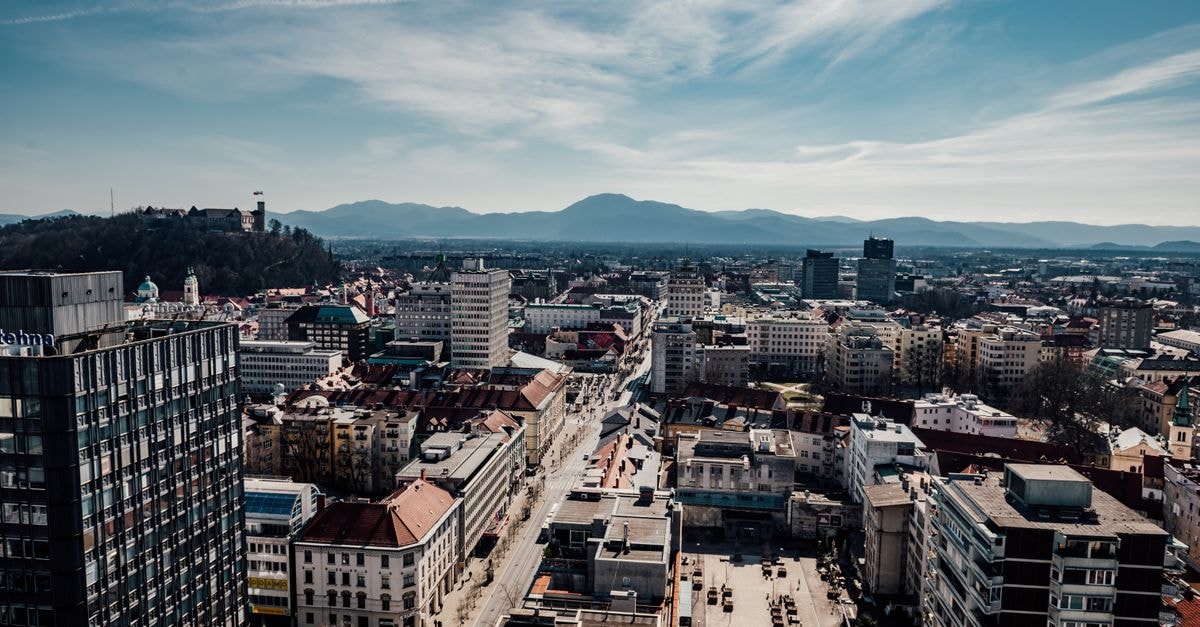
The best way to get around Košice is, quite simply, to walk. Almost all of the major tourist attractions sit along or just off the main square, Hlavná ulica, which means that once a traveler has found a base near the center, very little additional planning is required. The compactness of the old town turns what could have been a transport question into a pleasant stroll.
Among the practical anchors used in regional listings, Námestie Maratónu mieru 1, 040 01 Staré Mesto appears as a reference point within the city's central fabric, helping orient visitors who are piecing together an itinerary. Because the distance between sights is small, decisions about transport inside Košice tend to be minimal, and the energy that would normally go into timetables or taxi apps can instead go into noticing the details of the streets themselves: coats of arms above doorways, the play of shadow across the cathedral's stonework, the rhythm of trams passing at the edge of the old town.
For travelers arriving from elsewhere in Slovakia or from a neighboring country, this compactness is also good news at the start and end of the day. Drop bags at the hotel, step outside, and the city is already underway.
Attractions and planning
Košice rewards a particular style of planning: less itinerary, more presence. Everything noteworthy is within walking distance of Hlavná ulica, which means the city is well suited to a romantic getaway, a trip with friends, or a solo traveler who wants to feel embedded in a place rather than simply passing through.
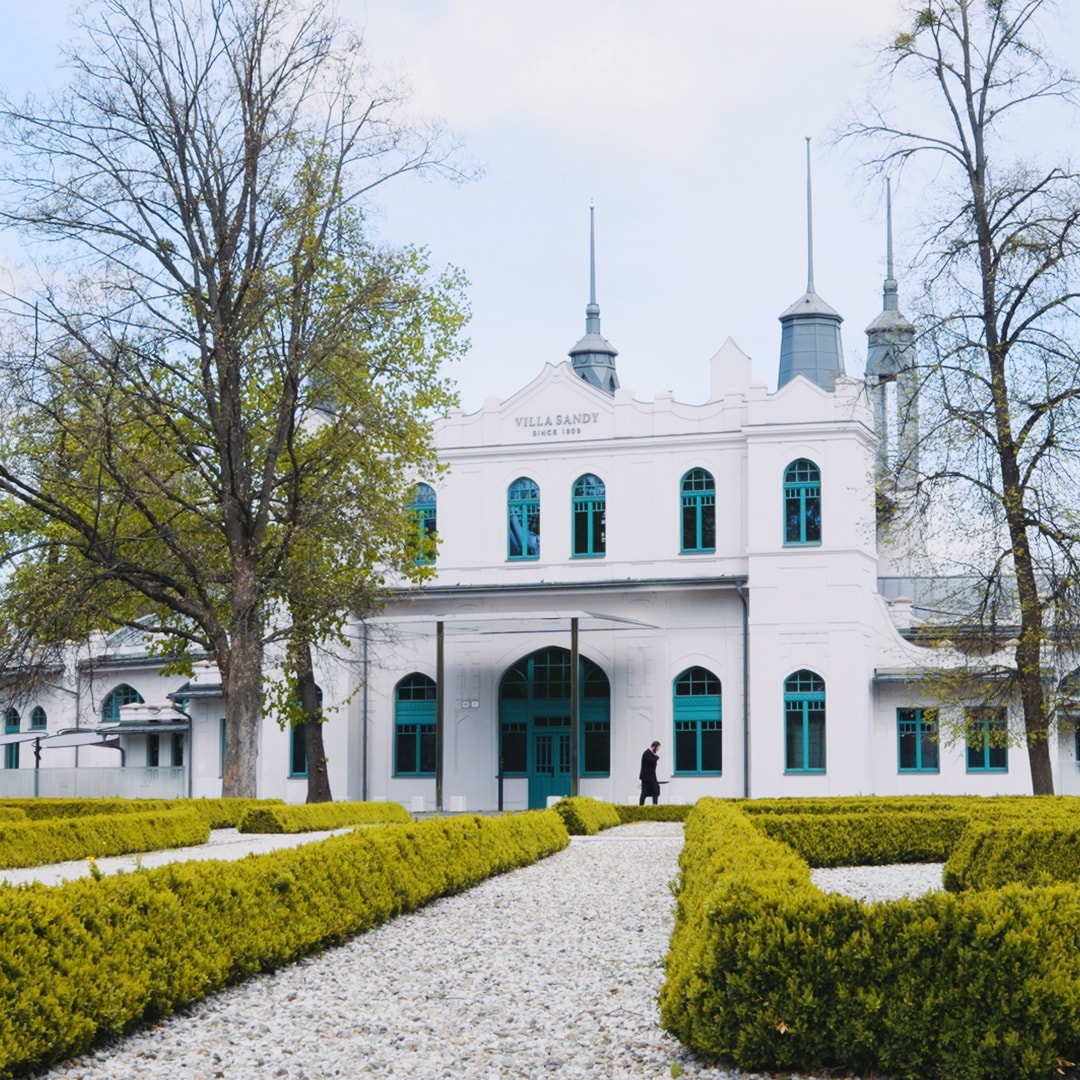
The cathedral is the obvious anchor, and Hlavná ulica is the obvious spine. From there, the pattern of a visit tends to take care of itself: wander outward from the main square, let a side street pull you toward a smaller church or a quiet courtyard, and return to the center when energy dips or a café calls. The Gothic and baroque architecture provides the visual through-line, and the pedestrian-friendly layout makes it easy to revisit favorite corners at different times of day.
Because the sightseeing is so concentrated, the planning question is rarely *what* to see but *how* to see it well. Travelers tend to get more out of Košice by giving themselves permission to repeat: a second look at the cathedral in different light, a second walk down Hlavná ulica after dinner, a second coffee at the same café just to watch the square change.
A practical note before you go
Travel conditions, opening hours, and local details can shift over time, so it is always wise to check official channels before departure for anything that could affect your plans. Use this guide as a starting frame for the kind of trip Košice invites: slow, walkable, and centered on a single beautiful street.
That is, in the end, the city's quiet gift. Košice does not ask to be conquered. It asks to be walked, looked at, and returned to, and most travelers find that the main street rivals any in Europe not because of what is on it, but because of how naturally it lets a visit unfold.
Share this article
TOOLS FOR THIS PLAN
Make the Košice plan measurable
Choose a tool only when it answers the next question in your trip. Your values stay in the browser, and each tool offers a route back to this planning context.