Destination overview

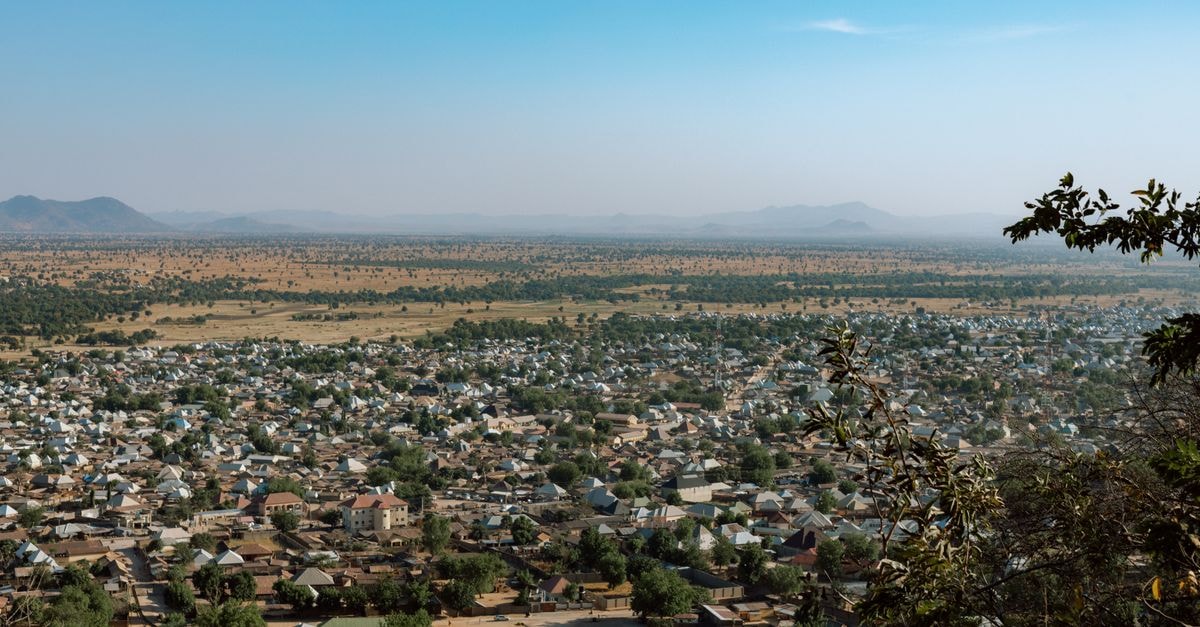
Tucked into the Montagnes District in western Ivory Coast, Man is a small city surrounded by ridges, forest, and the kind of green hillsides that make every drive feel cinematic. The town sits within reach of rolling countryside and is best known for its lush setting and a sense of unhurried daily life. Travelers heading here are usually looking for two things: a taste of the western highlands beyond Abidjan, and a base for walks through the region's famous greenery. This guide keeps things grounded in what visitors reliably encounter: seasonal weather patterns, the way people actually arrive and move around, what to eat, and how to stay comfortable while doing it.
Man rewards slow travelers. Days here tend to be quieter than in the coastal hubs, and the rhythm of the town invites visitors to settle in for a few nights rather than rush through. The following sections focus on practical context you can plan with confidence.
Weather and seasonal context
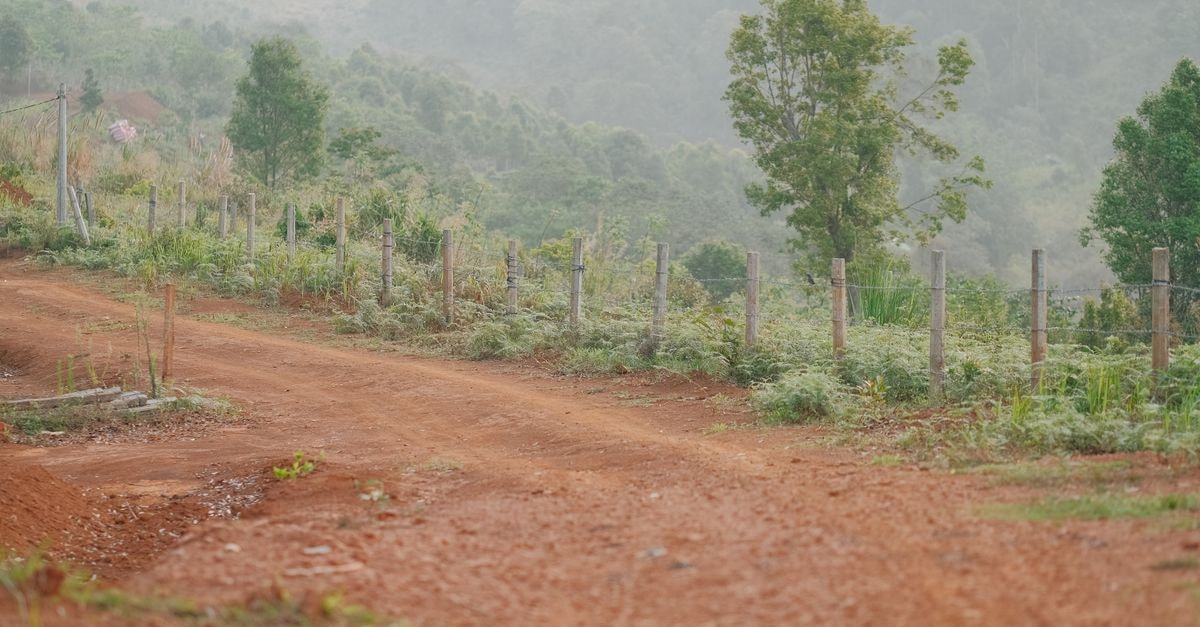
Man sits in one of the wettest corners of Ivory Coast, and the climate shapes how the city feels throughout the year. Rain isn't a minor detail here; it shapes the landscape, the trail conditions, and the pace of an afternoon. The rainiest stretch of the year falls between July and September, when heavy downpours are the norm rather than the exception. Trails and forest paths can feel slippery underfoot during this window, and outdoor plans benefit from being kept flexible. A guided walk through bamboo forest to the Cascade de Man and its swimming pools is one of the signature outings near the city, but visitors should expect wet conditions to influence the experience, particularly on the path itself.
Showers taper as the region transitions toward its drier months. If you have flexibility in your schedule, this shoulder period tends to feel more forgiving for outdoor exploration, though conditions can vary year to year. Either way, packing layers, quick-dry clothing, and reliable footwear is simply smart practice in Man; the green that defines the region is fed by regular rainfall.
The upside of the climate is what it produces: thick bamboo groves, full swimming holes, and the kind of forest light that draws photographers. Rather than fighting the weather, lean into it. Plan active outings for mornings when conditions are typically calmer, and save indoor time, slow meals, or market wandering for the afternoons when showers often arrive.
Getting around
Man is connected to the rest of Ivory Coast primarily by road. Long-distance buses and shared minivans, often called "bush taxis," are the most common methods for reaching the city, with regular service linking Man to major hubs like Abidjan and Yamoussoukro. These routes wind through the lush greenery of the Montagnes District, offering a scenic introduction to the region before you even arrive. Road travel here is part of the experience, so plan for longer journey times than the map distance suggests.
Once in Man, getting around is straightforward. The city is compact enough that many points of interest can be reached on foot or by short taxi rides. For excursions to the surrounding forest and waterfalls, local drivers and shared transport are the norm rather than formal tour buses.
In terms of safety, Man is generally safe for tourists who take basic precautions. Sticking to main tourist trails, avoiding demonstrations, and using the same common-sense awareness you'd apply in any unfamiliar town goes a long way. The relaxed pace of the city is one of its charms, but that doesn't mean leaving caution behind.
A few practical notes: confirm bus schedules locally before departure, as services can shift without much notice. Carry small bills for transport and small purchases. And if you're heading out to forest trails, ask locally about current conditions rather than assuming a path is open or safe; weather, maintenance, and seasonal factors all play a role.
Food and local context
Man sits within a broader Ivorian food culture that visitors are likely to encounter throughout their stay. Ivory Coast doesn't do subtle when it comes to flavor, and the wider country's culinary heritage leans into rich sauces, fermented staples, and grilled proteins served with enthusiasm.
One traditional dish that defines the country's cooking is attiéké poisson: fermented cassava couscous served with grilled fish. The attiéké arrives steaming, with individual grains glistening like tiny pearls, and it's a staple you'll find across the country. In Man, evening meals often center on a relaxed setting where local maquis, the informal open-air eateries common across Ivory Coast, serve comforting plates like foutou (a dense starch made from plantain or cassava), palm-nut sauce, and grilled meats. These spots are less about menus and more about what's been prepared that day, so expect to ask rather than order from a list.
A few practical tips for eating well in and around Man:
- Maquis and local eateries are typically casual, affordable, and centered on a handful of dishes that change with what's fresh. - Palm-nut sauce has a deep, slightly tangy flavor and pairs naturally with foutou or rice. - Grilled fish and meats are often cooked to order, so be prepared to wait a little rather than rush. - Bottled water is the safest bet for drinking, as is the case across much of the region.
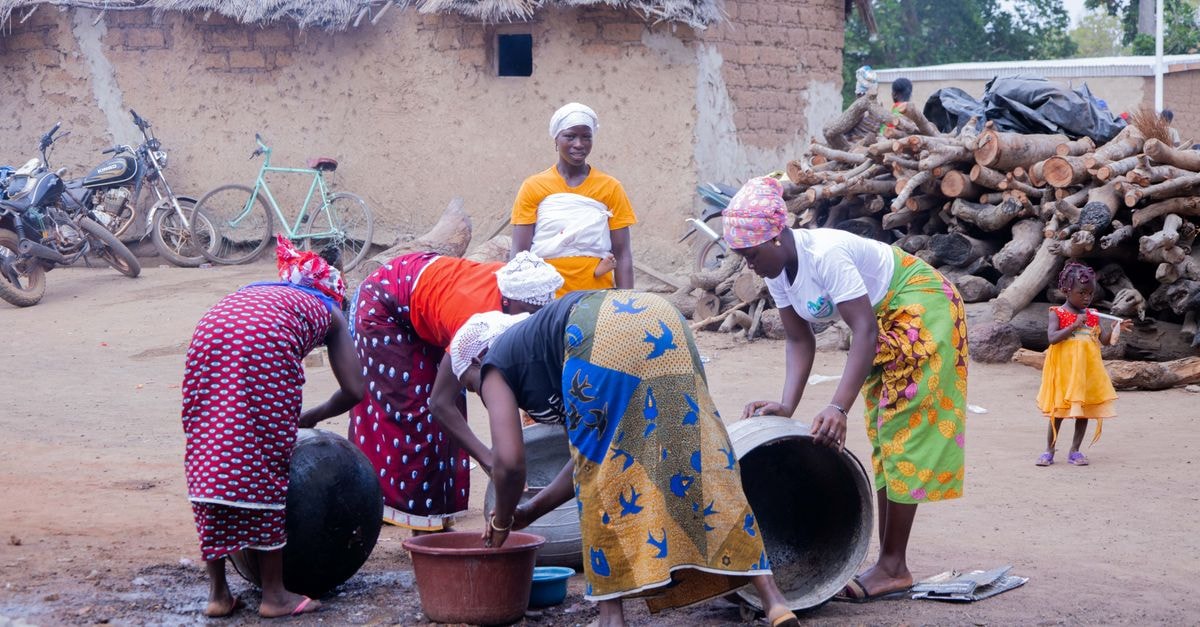
Wider Ivorian dining customs tend to favor communal plates and relaxed pacing. Meals are social, and portions are generally generous. If you're unfamiliar with a dish, ask what's in it; hosts and servers are usually happy to explain. The food culture in Man is less about fine dining and more about honest, hearty cooking that reflects the surrounding land.
Practical tips for the trip
A few cross-cutting notes that don't fit neatly into one section but are worth keeping in mind:
- Language: French is the dominant language. A few phrases go a long way, especially in rural areas around the city. - Connectivity: Mobile coverage is generally available in Man, though signal can be patchier once you're out on forest trails. - Cash: Carry local currency in small denominations. Card acceptance is limited outside larger establishments. - Footwear: If you're planning any forest walks or waterfall visits, sturdy, non-slip shoes are essentially required. - Pacing: Man rewards slow travel. Two or three nights lets you settle in without feeling rushed.
A note on verification
Travel conditions, transport schedules, safety situations, and business openings can change without warning. Treat the guidance in this article as a starting point rather than a final word. Before departure, check official travel advisories, confirm transport options with local contacts or accommodations, and verify any time-sensitive details that could affect your plans. Currency rates fluctuate, and the figures or general cost references mentioned in wider guides should always be cross-checked against the current rate on the day of travel. When in doubt, ask locally; residents are often the most reliable source for up-to-the-minute information.
Prices, opening hours, schedules, reservation rules, and local conditions can change; verify them through official channels before departure.
Share this article
TOOLS FOR THIS PLAN
Make the Man plan measurable
Choose a tool only when it answers the next question in your trip. Your values stay in the browser, and each tool offers a route back to this planning context.