A first impression of Galway

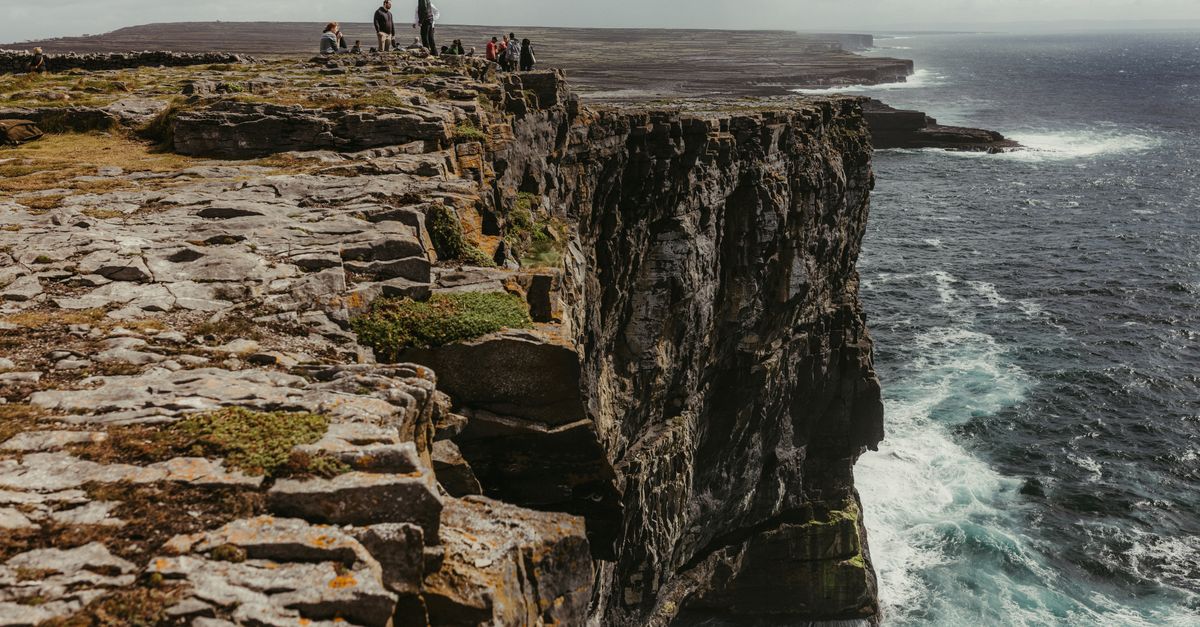
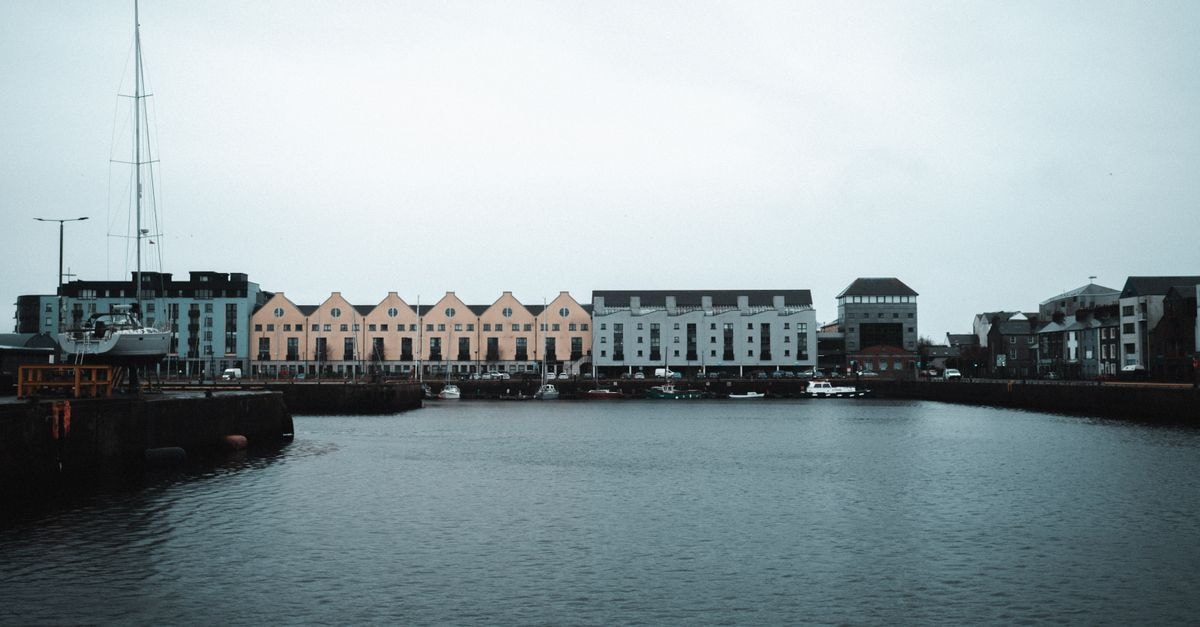
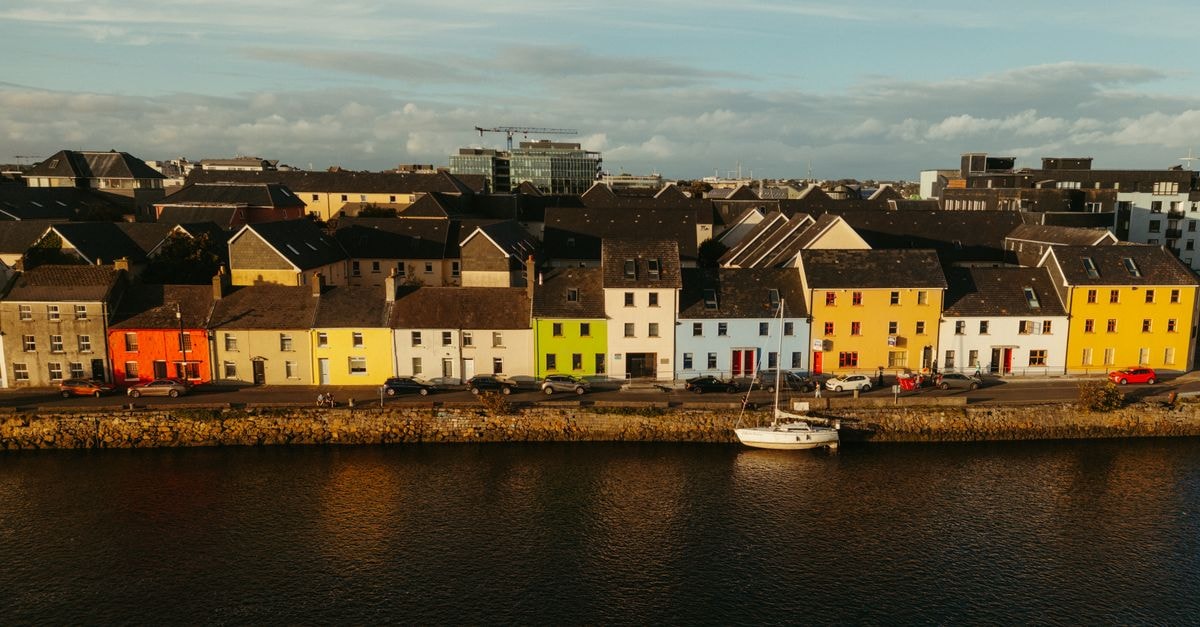
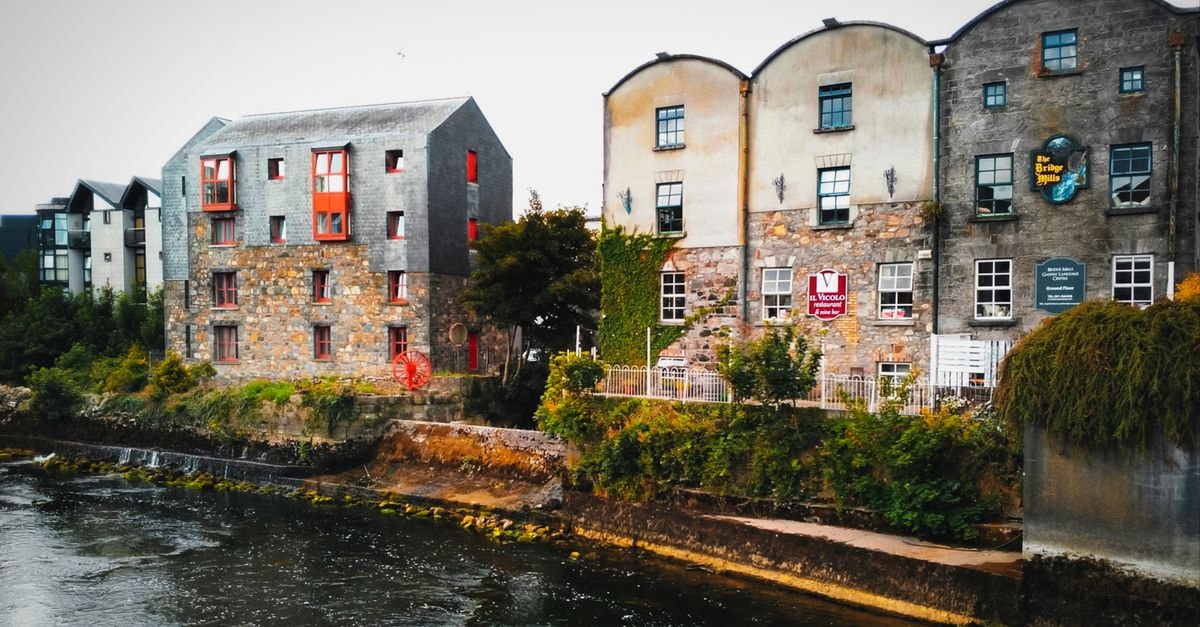
Galway sits on the western coast of Ireland, where the River Corrib meets the Atlantic. It is a compact, walkable city built around a tangle of medieval lanes, a lively harbour edge, and a creative energy that has long drawn writers, musicians, and visitors looking for something a little looser than a capital-city weekend. The skyline is low, the shopfronts are bright, and the rhythm of the streets tends to unfold at a human pace. You get the sense of a place proud of its roots and quietly delighted that so many travellers want to spend time in them.
This guide gathers the essentials — getting around, what to expect from the weather, the pull of the city's heritage, and how food fits into a Galway day — without overstating anything the evidence does not support. Think of it as a starting kit for planning, not a finished itinerary.
Weather and seasonal context
Galway's west-coast climate is famously changeable, and weather tends to be a real part of any visit rather than a backdrop. Rain can arrive in quick, soft bursts, and brighter spells can feel especially generous when they break through. Wind off the Atlantic is part of the texture of a day spent near the water.
For travellers, the practical meaning is simple: layers are useful at any time of year, a compact umbrella or a light waterproof is sensible in a day bag, and comfortable shoes matter more than a perfectly styled outfit. If you prefer being outdoorsy over schedule-driven, Galway's weather usually rewards patience and a flexible attitude. The city is built to be enjoyed on foot regardless of a passing shower, and the right coat quietly turns grey skies into atmosphere rather than a problem.
Getting around
Galway is small enough that walking handles much of the inner-city experience. The medieval streets, the riverside walks, and the harbour area all invite unhurried strolls, and most of the things you will want to see sit close together.
When walking is not the right fit, taxis and ride-sharing services are readily available around the city, useful for quick, direct travel or for evenings when you simply want to be dropped at the door rather than navigating unfamiliar lanes. The choice between public transport and a private ride often comes down to timing and luggage: a taxi is helpful when you are moving between the train or bus station and a hotel, when you have tired feet after a long day of exploring, or when the weather has made walking less inviting.
Galway is also well connected in a wider sense. Bus, rail, ferry, and air services link the city to the rest of Ireland, and getting to and from Galway by public transport is straightforward in normal conditions. Travellers arriving from Dublin, Cork, or the Shannon region will find familiar intercity options rather than anything out of the ordinary, which is part of the appeal: the city feels regional and intimate once you arrive, even though the journey in is simple.
For day-to-day movement, a rough mental split works well. Walk the historic core, save taxis for the edges of the city or for bad-weather transfers, and treat intercity services as a separate, easy-to-plan layer beneath your inner-city time.
Heritage around every corner
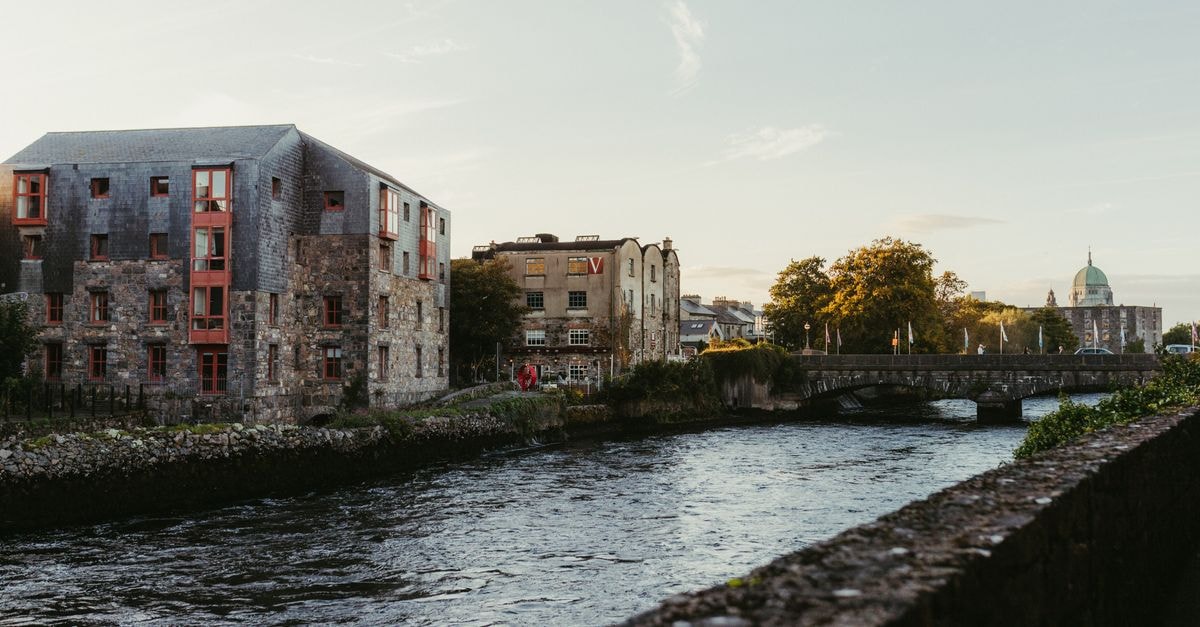
Galway's heritage is woven into the streets rather than concentrated in a single landmark. Medieval lanes, old stone walls, small civic spaces, and the riverside setting together create the impression of a place whose history is still in use. Walking from one neighbourhood to the next feels like turning pages in a layered story.
A heritage-loving visitor will probably want to slow down rather than tick off sights. Allow time to look up at shopfronts, to notice the small plaques, and to step into a church or a quiet courtyard if the door is open. The Spanish Arch area, the Latin Quarter, and the riverside paths each carry their own piece of the city's past, and there is pleasure in simply letting one lead into the next without a fixed endpoint.
The practical tip is to give yourself more time than you think you need in the historic core. Galway rewards the visitor who is willing to wander, and the more you linger, the more the small details of the city's past seem to surface on their own.
Food and local context
Food in Galway is one of the most rewarding ways to feel the city's character. The wider local food scene reflects a rich mix of influences, and exploring it is a natural highlight for any visitor — a chance to slow the pace of a day and to taste the place rather than just see it.
Traditional Irish dishes form a familiar backbone here, including classics that visitors tend to encounter in many parts of the country. This is the kind of food that sits comfortably in Galway's pubs and restaurants, where the menu often pairs hearty, long-established favourites with the city's own creative touches. Beyond that base, the local food landscape is varied enough that you can shape a day around it if you want to: a coffee stop in the morning, a long lunch built around local producers, and an evening meal that leans into the city's well-known social energy.
A few simple habits tend to serve travellers well. Eat at least one meal somewhere that feels distinctly local rather than familiar; ask a server or a barista what they actually recommend; and leave space for a second coffee or a slower afternoon plate rather than racing between stops. Galway's food culture is unhurried, and matching that tempo is part of enjoying it.
Choosing what fits your trip
A few tradeoffs are worth weighing before you arrive. If you are drawn to walking, give the inner city proper time — most of the heritage, the best streets, and the everyday food spots are within a compact radius, so a slower pace there beats a rushed sweep. If your travel style leans towards convenience or you are arriving with luggage, build taxis into the plan from the start, especially for station transfers and rainy-hour movements. And if food is a main reason for visiting, lean into the rhythm of the city: a single long meal in one place often says more about Galway than three quick stops in different neighbourhoods.
The city does not ask for a packed schedule to feel full. It rewards travellers who arrive with a light plan and a willingness to let the day expand into whatever the streets, the weather, and the people bring.
A final note before you go
Factual conditions — transport timetables, opening hours, prices, and seasonal details — can change at short notice. Before you travel, it is worth checking the latest information from official transport operators, tourism sources, and your accommodation so that small details do not catch you out. With that simple step, Galway tends to deliver exactly the kind of visit its reputation promises: warm, walkable, historic, and quietly generous with its Atlantic light.
Prices, opening hours, schedules, reservation rules, and local conditions can change; verify them through official channels before departure.
Share this article
TOOLS FOR THIS PLAN
Make the Galway plan measurable
Choose a tool only when it answers the next question in your trip. Your values stay in the browser, and each tool offers a route back to this planning context.