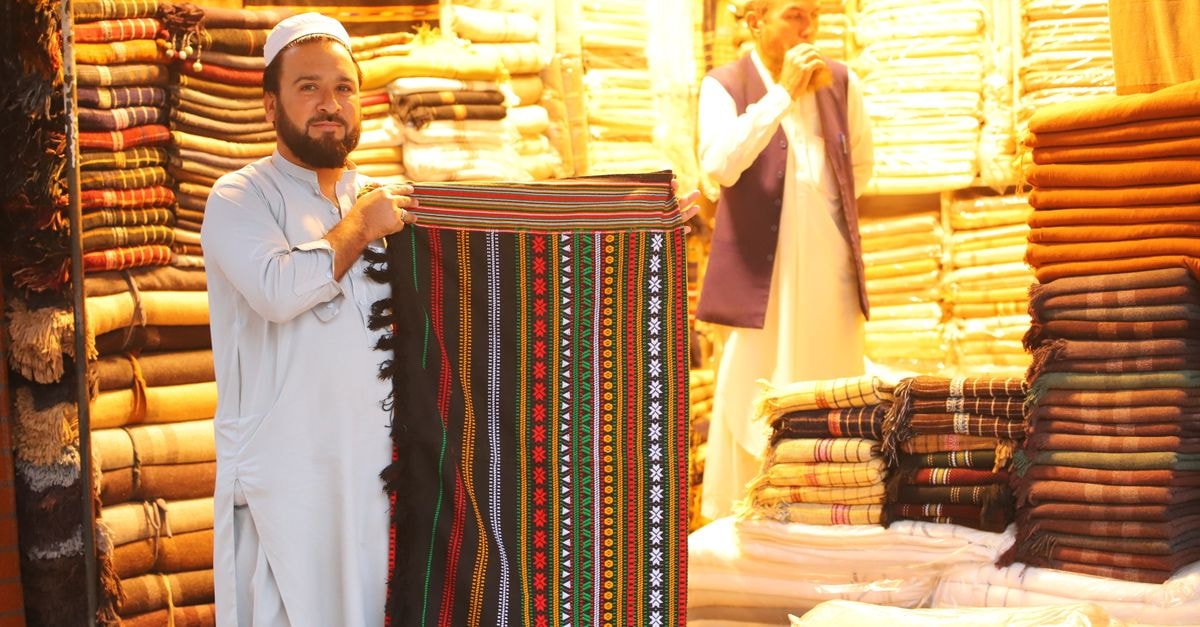
Gedaref at a Glance

There is a particular kind of energy that belongs to inland agricultural cities, and Gedaref wears it openly. Set in eastern Sudan, this is a place that has earned the affectionate nickname of the "breadbasket of the country," a reputation built on the surrounding farmland that keeps markets, traders, and ordinary households supplied through long working days. The city's atmosphere is permeated with the spirit of bustling trade and industriousness, so even a short walk can feel like a quiet education in how a regional hub actually runs.
This guide is written for travelers who arrive curious rather than over-scheduled. There is a real pleasure in slowing down in a working city like this, letting the pace of commerce set the tempo, and paying attention to the textures that routine visitors sometimes miss: the early morning loading of produce, the shaded corners where people pause for tea, the rhythm of greetings that repeat across the day. Gedaref rewards that kind of attention, and it does not require an elaborate plan to appreciate.
A useful way to think about a visit here is to combine one or two anchoring experiences with long stretches of unstructured time. The market rhythm, the agricultural landscape around the city, and the everyday social life of the streets are themselves the attraction. Visitors who try to compress Gedaref into a checklist often leave with a thinner impression than those who let the city unfold.
Weather and Seasonal Context
Gedaref's climate is shaped by two contrasting periods: a long dry season and a short but intense rainy season. That simple rhythm defines when the surrounding farmland is being planted, when the markets are busiest, and how the city's streets feel hour by hour. In practical terms, it means that packing decisions should be guided less by an arbitrary calendar and more by which part of that two-part cycle the visit falls into.
For travelers, the most useful mindset is preparation rather than prediction. Light, breathable clothing suits the warmer stretches, while a light layer helps during cooler early mornings and evenings. When the rainy period is active, a compact umbrella and quick-drying footwear make moving between sheltered market arcades and open streets more comfortable. The dry months, by contrast, often feel dust-prone, so eye protection and a way to cover the mouth in windier moments are sensible additions to a day bag.
Hydration deserves a special mention here. Even outside the most intense midday hours, the climate can feel tiring, especially for visitors arriving from cooler regions. Building a habit of pausing for water, shade, and a sit-down drink is not just pleasant; it shapes whether a day of walking feels restorative or exhausting. Travelers used to air-conditioned sightseeing often find that pacing the day differently, with a long midday pause and more active early morning and late afternoon, suits Gedaref's climate well.
It is also worth remembering that weather descriptions for eastern Sudan are broad guides, not guarantees. Conditions in any given week can shift, and local advice from a hotel, host, or guide is often more useful than a forecast pulled from a distant app. Treat any climate note as a starting point for packing and planning, not as a promise about how a particular afternoon will unfold.
Attractions and Planning
When it comes to what to see and do in Gedaref, the honest starting point is that this is a city whose appeal is woven into its daily life rather than concentrated in a list of headline monuments. Travelers looking for up-to-date info on everything from must-see scenic spots to local hangouts will find that the city's character emerges through its markets, its agricultural surroundings, and the small social spaces that punctuate the working day. There is something refreshingly un-curated about that approach, and it suits travelers who prefer discovery to checkboxes.
A sensible way to plan is to think in terms of loose anchors rather than timed slots. One morning might center on exploring a market area and watching how produce moves from farmers to wholesalers to household shoppers. Another could be spent walking through quieter residential streets, observing the architectural rhythm of homes, shops, and gathering places. A third might involve a longer look at the agricultural landscape just outside the dense urban core, where the nickname "breadbasket" stops being a phrase and becomes visible reality.
Because Gedaref is a commercial and agricultural hub rather than a museum city, the most rewarding visits often involve a degree of conversation. Asking permission before photographing people, greeting shopkeepers before browsing, and accepting tea when it is offered are small gestures that go a long way. They are also the kind of details that turn a surface visit into a memorable one, especially in a place where hospitality is woven into the working day.
Travelers who like structure can still build a satisfying plan. Two or three full days are usually enough to absorb the city's main flavors without rushing. Within that window, mixing a market morning, a quieter afternoon of walking and observation, and an evening of casual people-watching tends to produce a balanced impression. Anyone with extra time can extend outward into the surrounding countryside, though that step benefits from local guidance and should be arranged with reputable contacts rather than improvised on the spot.
Practical Notes for Visitors
A few general points help set expectations for a trip to Gedaref. The city functions as a working hub, so infrastructure and services tend to be oriented toward residents and traders first, with visitors fitting naturally into the same flow. That is part of the appeal, but it also means that flexibility and patience are more useful than a rigid schedule.
Language is worth thinking about in advance. Arabic is the primary language of daily life, and even a handful of polite phrases tends to be warmly received. Travelers who plan to spend meaningful time in markets or rural areas benefit from arranging some form of local support, whether that is a guide, a translator, or a host who can help bridge small gaps.
Connectivity and services can vary, and the safest approach is to assume that anything strictly time-dependent, from transport links to pharmacy hours, should be reconfirmed locally before relying on it. A short conversation with a hotel front desk or a trusted local contact on the day of travel often resolves questions that would otherwise consume an afternoon.
Finally, Gedaref rewards travelers who come curious and leave room for the unplanned. The breadbasket of the country does not need to be dramatized; it speaks for itself through the steady movement of people, goods, and seasons. A visit shaped around that observation tends to feel richer than one organized around a long list of must-see stops.
A Quick Verification Note
Factual travel conditions can change at any time, and details such as weather, transport availability, local services, and opening hours should always be confirmed through official or reputable local channels before departure. Treat this guide as a grounded starting point for understanding Gedaref's character, seasonal rhythm, and planning approach, and check current information closer to the time of travel for anything that affects logistics or scheduling.
Prices, opening hours, schedules, reservation rules, and local conditions can change; verify them through official channels before departure.
Share this article
TOOLS FOR THIS PLAN
Make the Gedaref plan measurable
Choose a tool only when it answers the next question in your trip. Your values stay in the browser, and each tool offers a route back to this planning context.