A city where markets meet the Red Sea Hills

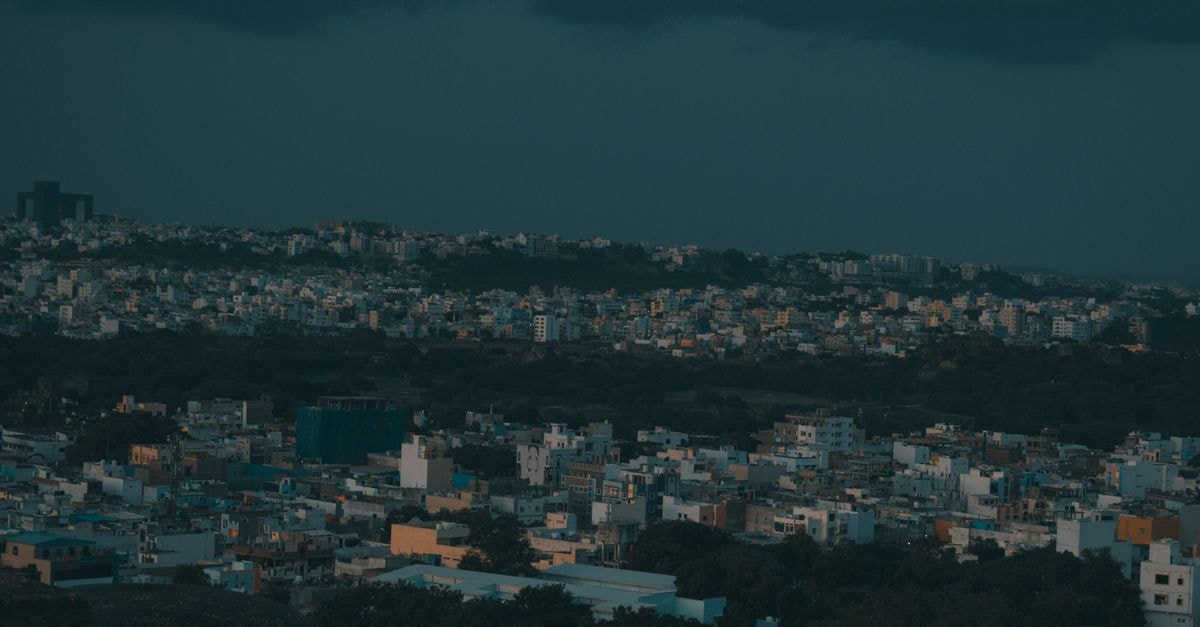
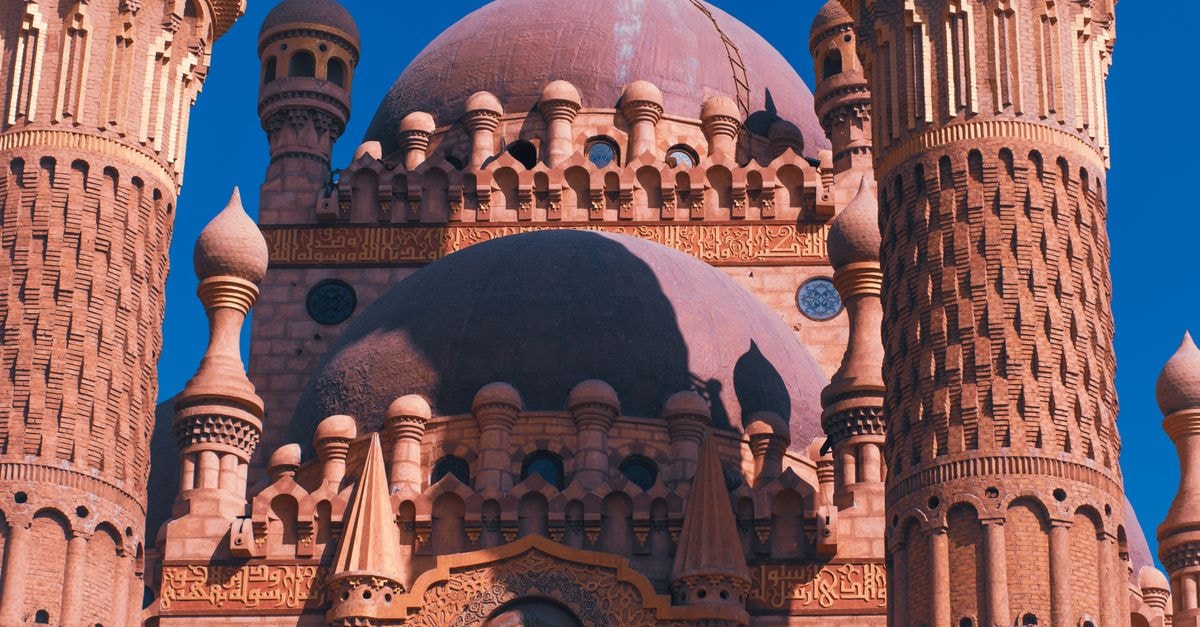
There is something quietly arresting about Kassala. It sits where the Gash River runs toward the Red Sea Hills, and the urban texture is shaped as much by geography as by trade. In local writing it has been described as a market town that feels more like a cultural collision than anywhere else in Sudan, and that framing tends to follow visitors from their first walk through town. Flat-roofed houses, scattered palms, and the surrounding hills give the skyline a particular rhythm that you do not get in many Sudanese cities further west.
If you are mapping out a visit, the practical questions tend to be simple: how to arrive, how to move around once you are on the ground, what draws people up into the hills, and what the food scene feels like given the city's position close to the Eritrean border. This guide keeps its answers grounded in what travelers can reasonably plan around.
Getting around: arrivals and onward travel
Kassala is served by Kassala Airport (KSL), which links the city to other major destinations within Sudan and offers a small number of international connections. Reaching the airport by car is straightforward, with rentals or taxis the usual options for that final leg into or out of town.
For overland travel, Kassala Railway Station provides train services to other cities in Sudan. That is worth knowing if you are stitching Kassala into a longer Sudanese route rather than treating it as a single fly-in destination. Because schedules and current operating conditions can shift, it is sensible to confirm timings locally before you commit to a specific train.
Within Kassala itself, the most flexible option is a hired car or taxi, which doubles as the practical way to reach the airport. For shorter distances, walking the central market areas is often the most rewarding way to get a sense of the city, since much of what makes Kassala interesting happens at street level.
Attractions and planning: the trail into the hills
General travel coverage of the city also groups Kassala's appeal into a list of top attractions in and around the town, useful as a planning reference if you want to prioritize your time. One route described in local writing slips behind an Italian church, skirts ancient Beja cairns, and drops Kassala below you like a rug of flat roofs and palms. Beyond the trail itself, the combination of river, market, and hills means you can shape a day around a slow morning in town, a climb in the cooler hours, and an unhurried late afternoon back at lower elevation.
A few practical notes worth keeping in mind. Hiking up into the hills is best paced rather than rushed, and the views tend to open up gradually as the trail gains height. Wear shoes that handle loose stone. Carry water. Give yourself enough daylight to come back down comfortably. None of this needs to be overthought, but it does change the quality of the experience.
Food and local context: borderland flavors
Kassala sits close to the Eritrean border, and that proximity has a way of showing up on the plate. Travel writing about the city's food notes that this geographic position may introduce subtle culinary influences from across the border, blending with broader Sudanese food culture. Visitors should not arrive expecting a tightly defined local cuisine that exists nowhere else, but they also should not be surprised if dishes, spices, or bread traditions they encounter feel familiar from journeys further north in the Horn of Africa.
Because Kassala is a market town rather than a city with a dense concentration of named restaurants in every guide, the food experience often comes from the market stalls and small local kitchens rather than from a shortlist of headline venues. Travelers who enjoy that style of eating will find a lot to like here. Those who prefer a fixed menu and a printed bill may need to be a little more flexible in their expectations, and that flexibility is part of the pleasure of being in a place like Kassala.
A final note on planning
Kassala rewards travelers who treat it as a place to slow down rather than a checklist. Arrive with a sense of how you are getting in and out, whether that is the airport or the railway station, give yourself time for the trail up into the hills, and leave space in your day for the market and for the small interactions that often define a visit to eastern Sudan.
Factual travel conditions can change. Currency, transport schedules, opening hours, and on-the-ground availability shift over time, and current information should always be confirmed through official channels before you finalize any bookings or move between cities.
Share this article
TOOLS FOR THIS PLAN
Make the Kassala plan measurable
Choose a tool only when it answers the next question in your trip. Your values stay in the browser, and each tool offers a route back to this planning context.