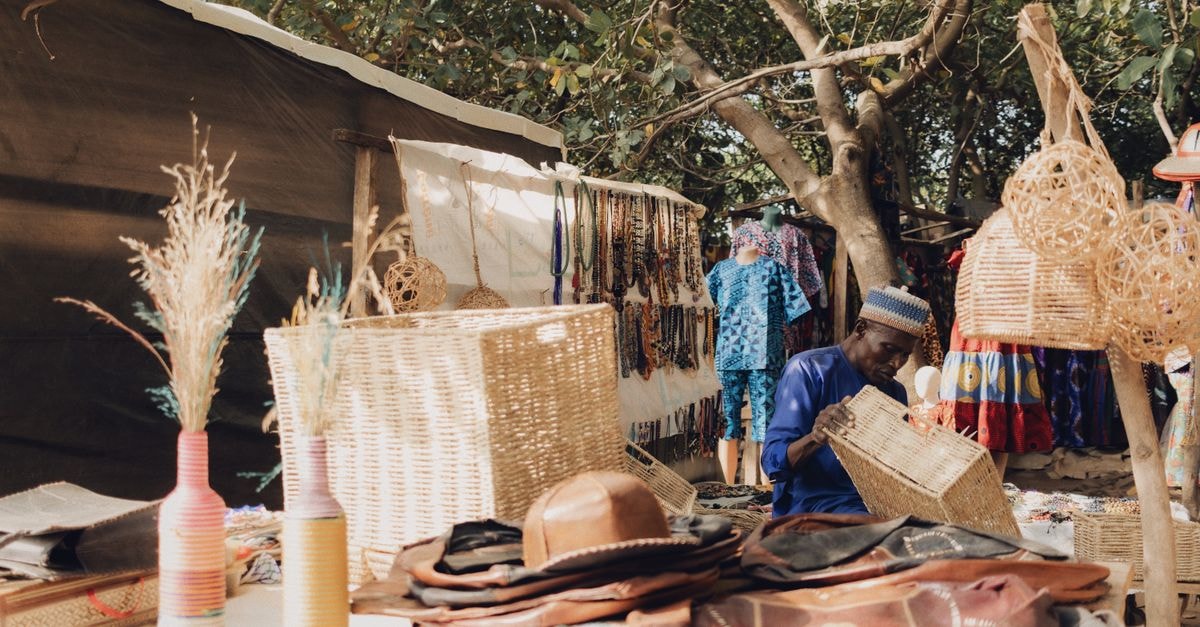
A working town shaped by trade and river life

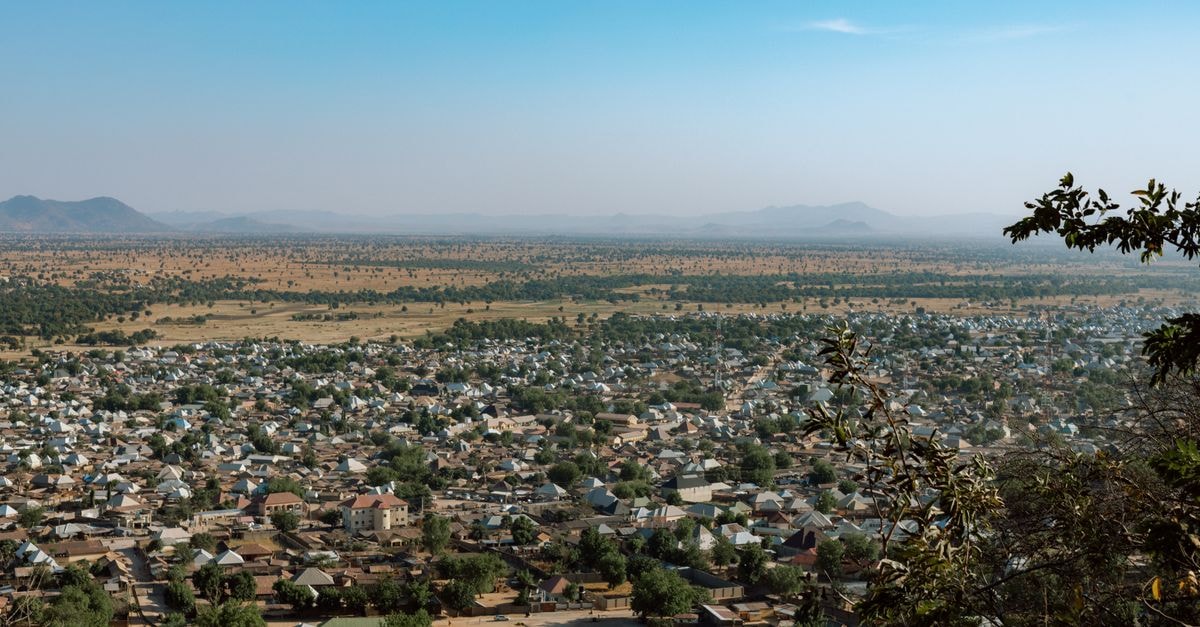
Gemena sits in Sud-Ubangi province as a market town and river port, the kind of place where the central market and the boats along the water set the daily rhythm. It is a city whose identity is woven from commerce, craft, and the slow pulse of Congo's tributaries rather than a checklist of polished attractions. Travelers who arrive curious about everyday Congolese life, who are happy to trade polished itineraries for genuine local encounters, often find Gemena quietly rewarding.
The vibe here is functional and welcoming, with a blend of cultural heritage, natural surroundings, and the kind of warm hospitality that smaller DRC towns are known for. It's the sort of place where people greet you before they ask what you need, and where the day is shaped less by sightseeing schedules than by the hours when the market buzzes and the boats leave.
Weather and seasonal context
The climate is consistently warm throughout the year, with February typically reaching around 34°C (93°F) and January often around 30°C (86°F) at the cooler end of the scale. Rainfall is substantial, totaling roughly 1492 mm (59 in) across the year, which means showers are a regular part of life here.
For visitors, this shapes how the day feels rather than dictating a fixed plan. Mornings tend to be the gentlest window: the central market is best visited early before midday heat builds, and that early hour also has a softer light that suits wandering and conversation. Carrying water, pacing outdoor time, and building in shade breaks are simple ways to stay comfortable across most of the year.
Travelers who prefer a slower pace with plenty of pauses may find early starts and long, shaded afternoons more rewarding than trying to cover ground in the hottest part of the day. If you favor a more energetic rhythm, mornings still tend to be the most rewarding stretch.
Getting around
Gemena is served by an airport, with the Gemena non-directional beacon (Ident: GEM) on the field. From there, the city itself is best understood on foot and through its local connections, since the layout follows the patterns of a market town and river port rather than a tourist route.
Cash is essential for getting around and making local purchases. Congolese francs are the working currency, and ATMs are scarce, so bringing enough cash before arriving is a practical step rather than an optional one. The same principle applies once you are out and about, whether you are paying for a shared ride, settling a small market bill, or arranging a boat.
Travelers who are comfortable with cash-only travel and who appreciate a destination where local infrastructure matters more than guidebook polish may find Gemena fits well. If you rely heavily on cards or instant digital payments, plan for offline methods here, as everyday transactions are typically cash-based.
River port and the journey beyond
As Sud-Ubangi's river port, Gemena is a hub for bush-bound journeys along Congo's tributaries. Travelers hop boats from here, and the river itself is part of the experience: the movement of people, fish, and cassava dishes traded along the water, and the connections out toward conservation areas and riverside communities.
For a traveler who enjoys slow travel, the river offers a way to see the region that feels native to the place rather than imported. Time on the water tends to be unhurried, and the surrounding landscape unfolds at a pace that rewards patience. For someone who prefers a more stationary base, Gemena's market-town rhythm offers plenty to observe without ever leaving the central area.
If you favor off-the-beaten-path travel and are happy with flexible plans, Gemena can suit you as a base for river-based exploration.
Food and local context
Gemena's day-to-day eating sits within the wider Democratic Republic of the Congo food culture that visitors will encounter here, where plantain smoke and palm oil define the aroma of a working kitchen. Nationally, the foundation of the table is fufu (ugali), the dense, starchy base that appears alongside stews, greens, and proteins across the country.
Choosing what fits your trip
For a market-and-river focus, a traveler who enjoys slow mornings, cash-based logistics, and unhurried boat journeys may find Gemena suits them well. For a more polished urban trip with cards, fixed itineraries, and frequent reservations, the town's working-port rhythm may feel more rugged than expected, and it may be worth reconsidering whether this is the right base. The town's strength is its authenticity: the market, the river, and the everyday warmth of a Sud-Ubangi hub are the trip, rather than a backdrop to one.
Practical notes before you go
A few essentials to keep in mind as you plan: bring enough Congolese francs in cash, since ATMs are scarce and local purchases are cash-based. Plan market visits for the morning before temperatures peak. Treat the river as part of the experience rather than optional, and pace your days with the climate in mind. Factual travel conditions can change, so check official channels and local advice before departure for the latest updates on access, transport, and services.
Share this article
TOOLS FOR THIS PLAN
Make the Gemena plan measurable
Choose a tool only when it answers the next question in your trip. Your values stay in the browser, and each tool offers a route back to this planning context.