A First Look at Kinshasa

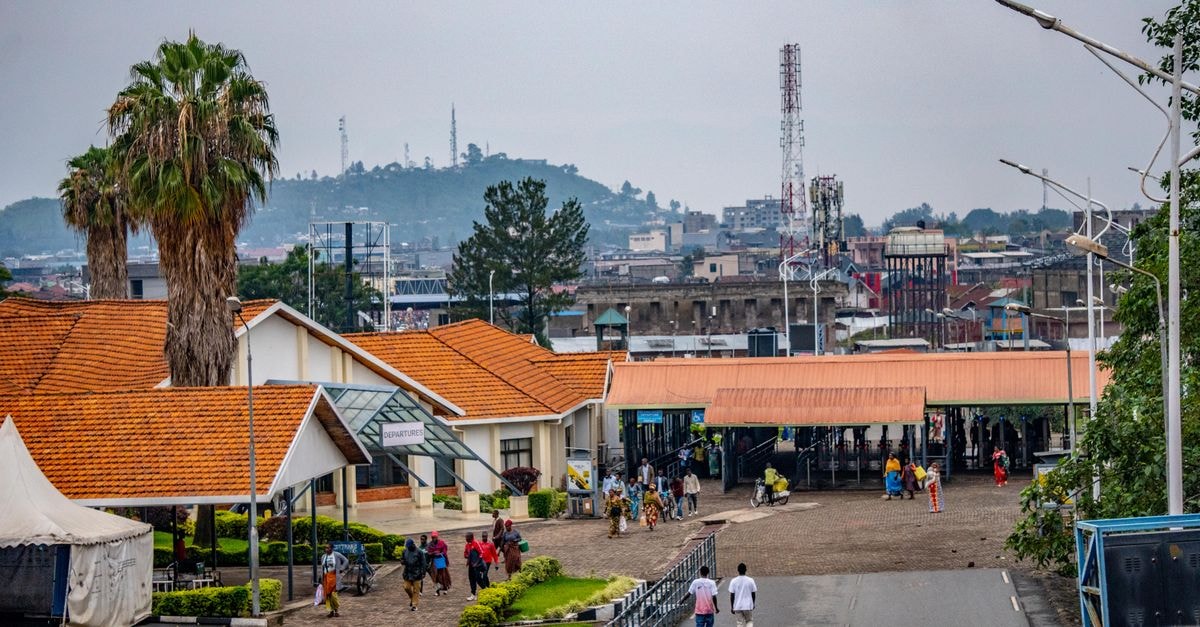
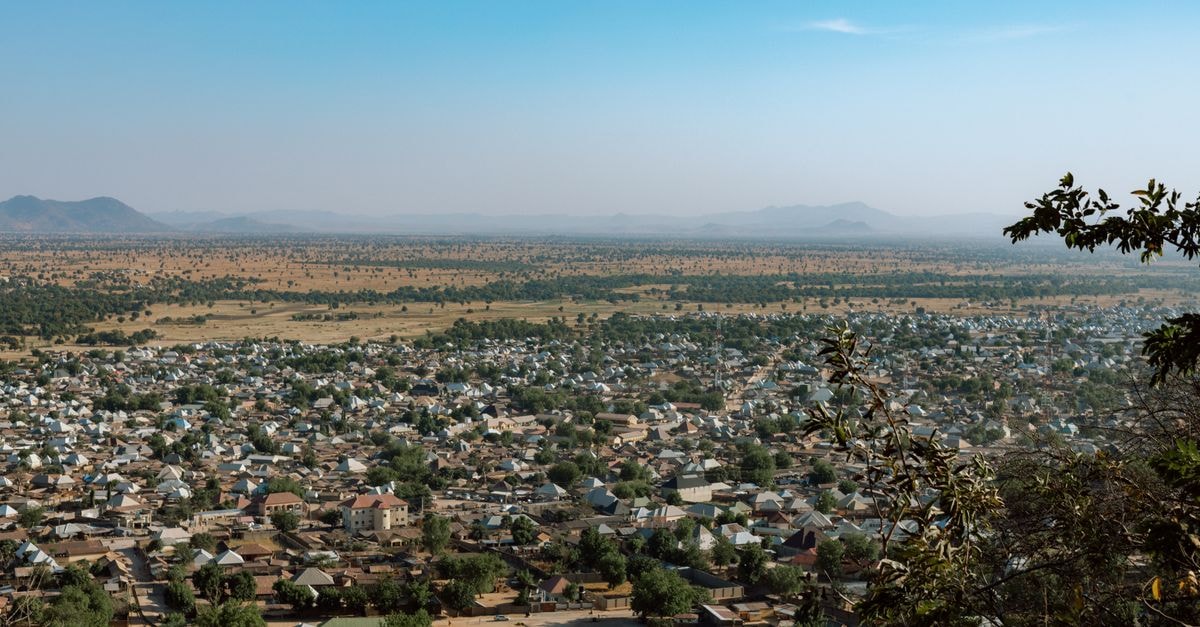
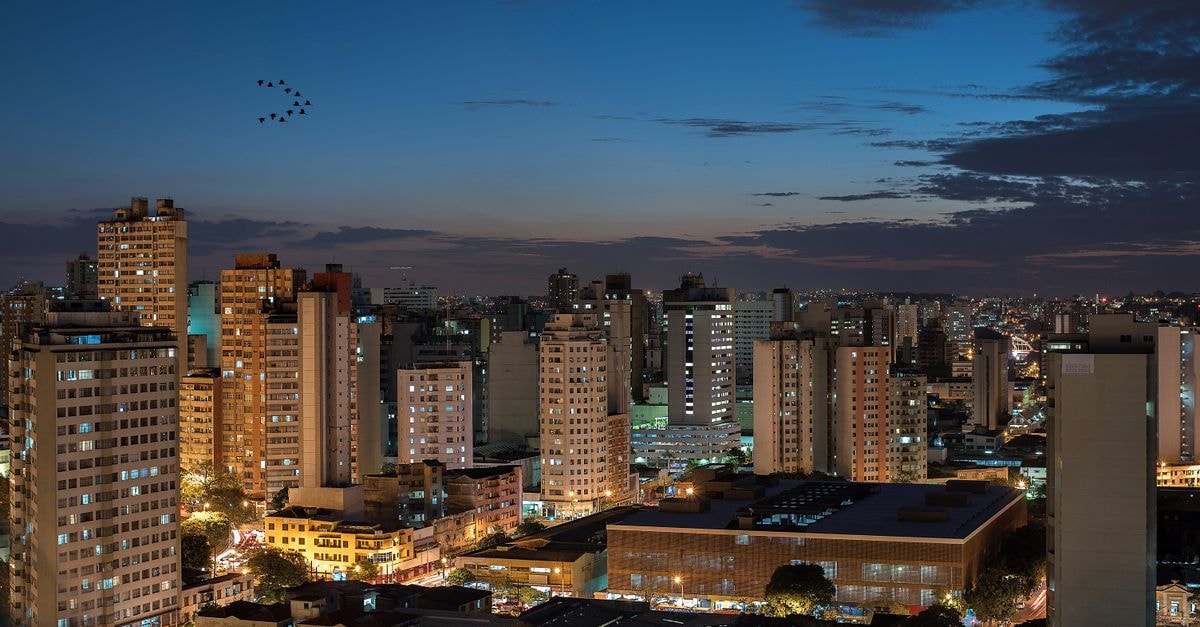
Sprawling along the banks of the Congo River, Kinshasa carries the kind of restless creative energy that announces itself before you have even settled into your hotel. It is the capital of the Democratic Republic of the Congo, a place where history, music, and everyday street life weave together into something distinctive. For a traveler open to stepping into a city with its own rhythm, Kinshasa rewards curiosity with textures that feel genuinely its own.
This guide leans into what the available information actually supports: the cultural landmarks that anchor a visit, the musical heritage that gives the city its pulse, and the dishes that show up on local tables. Rather than overload you with speculation, it keeps the focus on durable, well-grounded details that should remain useful trip after trip.
Attractions and Planning
One of the most obvious starting points for any visit is the **National Museum of the Democratic Republic of the Congo**, which sits within the city and offers a window into the country's layered history and the diversity of its cultures. For travelers interested in understanding the story behind the place they are standing in, the museum is a natural anchor for a first day in town. It pairs well with a slower pace that leaves room for noticing the city itself.
Beyond the museum walls, Kinshasa has a cultural pull that is harder to pin down but easy to feel. The city is known for a rich musical heritage, and the infectious rhythms of **soukous and rumba** echo through its streets and nightlife. Even visitors who never book a formal concert often encounter the sound drifting from bars, taxis, and outdoor gatherings. Allowing time in the evening for live music or simply listening to the city after dark can be one of the most rewarding parts of a stay.
Planning-wise, a thoughtful Kinshasa itinerary usually balances a few focused cultural stops with plenty of unscheduled time. Distances in the city can feel longer than they look on a map, so clustering visits by neighborhood rather than chasing a long checklist tends to make the day feel calmer. Because Kinshasa is a large and bustling capital, the rhythm of the city is something to lean into rather than rush against.
Music as a Thread Through the City
It is worth giving music its own moment, because it is not just an attraction on a list; it is part of how the city communicates. Soukous, with its flowing guitar lines, and rumba, which carries a different but equally infectious sway, are the sounds most associated with Kinshasa. Visitors who take an evening to follow their ears rather than a map often end up with the most memorable nights of the trip.
For travelers who want a gentler entry, simply asking at a hotel or local restaurant which nights feature live performance is a good way to start. The music scene is woven into everyday social life, which means you do not need to be a connoisseur to enjoy it; curiosity and a willingness to stay out a little later than usual are usually enough.
Food and Local Context
Kinshasa's table is one of the clearest ways to meet the city. The local cuisine is hearty, rooted in cassava, leafy greens, river fish, and slow-cooked sauces, and the dishes tend to be served with a generosity that suits travelers who have been walking all day.
**Moambe chicken** is often described as an iconic local dish, and it is a natural choice for travelers who want to try something emblematic early in the trip. Its rich, savory sauce typically makes it a centerpiece of the meal, and it tends to be widely recognized across the city.
**Kwanga**, a staple cassava bread, is another foundation of the local table. Dense and satisfying, it usually accompanies sauces and stews and gives travelers a sense of how central cassava is to everyday eating here.
**Saka saka**, made from cassava leaves, is a standout dish in Kinshasa and a good introduction to the green, savory side of the local menu. For visitors used to leaf-based dishes from other cuisines, it offers something familiar in structure but distinct in flavor.
**Grilled fish**, drawing on the fresh catch from the Congo River, brings a lighter, smokier note to a meal and is often enjoyed in informal settings. It is a particularly good option in warmer parts of the day, when something fresh and simply prepared hits the spot.
Taken together, these dishes form a practical short list for any traveler who wants to eat their way into an understanding of the city. Trying at least a few of them across different meals gives a much fuller picture than sticking to familiar international food the entire stay.
Within the wider Democratic Republic of the Congo, food culture tends to share these staples and cooking approaches, so travelers who explore the local menu in Kinshasa are also getting a window into the broader national table. That context can make a simple meal feel a little richer once you know how the dish connects to life across the country.
A Final Note for Visitors
A few practical reminders are worth keeping in mind as you plan. Factual travel conditions can change, and details such as opening hours, transport availability, and local services are best confirmed through official channels or your accommodation shortly before departure. Treat any general guide, including this one, as a starting point rather than a final word.
Kinshasa rewards travelers who arrive with patience, an open ear, and a healthy appetite. The museum gives you the history, the music gives you the heartbeat, and the food gives you the everyday. Together, they make a city that is far more than a stop on a map.
Share this article
TOOLS FOR THIS PLAN
Make the Kinshasa plan measurable
Choose a tool only when it answers the next question in your trip. Your values stay in the browser, and each tool offers a route back to this planning context.