Getting to Know Escobedo

Within the available record, the Escobedo Historical Museum is the documented city-specific historical attraction. For meals, the practical value lies in knowing what kind of flavor profile to expect and how diners can adjust a dish without assuming a particular restaurant, menu, or level of heat.
The Escobedo Historical Museum
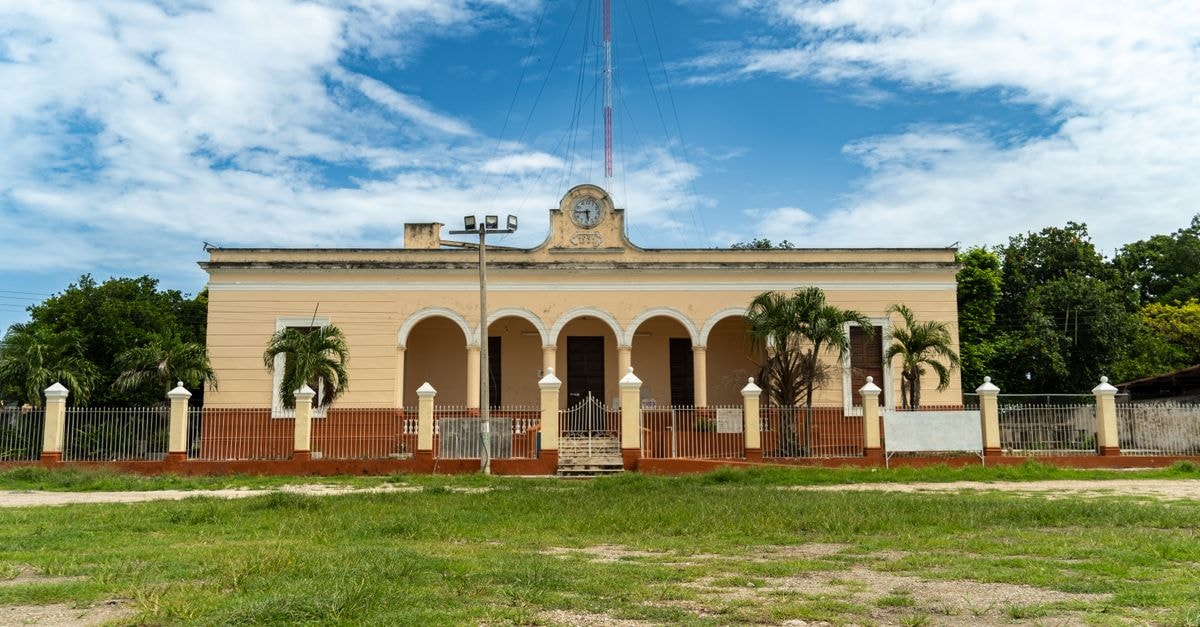
The Escobedo Historical Museum, known in Mexico as Museo Histórico de Escobedo, is the city’s clearest historical attraction in the available record. It was founded in 2006 and contains five permanent rooms. Those details make it a useful focal point for a visit centered on local history, especially for travelers who prefer a concise cultural stop over an expansive museum circuit.
The museum is publicly described as a property museum. Its permanent-room structure suggests a place where the city’s story is presented through a defined collection, although the supplied evidence does not specify the subjects of those rooms, the length of a typical visit, or the order in which they should be seen.
Its city anchor also matters. The museum is specifically associated with Escobedo, rather than being a general account of Nuevo León or Mexico as a whole. That gives the visit a clear sense of place: travelers can connect an attraction directly to the municipality named in its Spanish title and to the city where it is located.
Food in Escobedo
The food context in Escobedo is linked to the culinary character of northeastern Mexico. Monterrey is identified in the available material as the culinary capital of Northeast Mexico, which provides useful regional framing for visitors approaching meals in Escobedo.
That does not turn Escobedo into a city of named specialty restaurants, and it does not establish a particular venue or dish that must be tried. The more reliable takeaway is regional: diners may encounter a culinary tradition associated with Northeast Mexico, with Escobedo providing the immediate city context.
The city’s food scene is also described as generally less spicy than the cuisine of southern Mexico. This is a useful expectation to carry into a meal, not a guarantee about every restaurant or plate. Individual seasoning can still differ, so it is better to treat the statement as a broad flavor context rather than a rule for a particular menu.
For visitors who prefer more heat, salsas are described as always available to add it. That gives you a simple, evidence-based way to adjust a meal at the table: begin with the food as served and add salsa according to your own preference. The evidence does not identify a specific salsa, restaurant, price, or recommended quantity.
A Practical Way to Approach Dining
The most useful dining plan for Escobedo is therefore flexible. Start by recognizing the northeastern Mexican culinary context, then use the relative spice description as a loose guide. If a dish seems milder than you expected, the availability of salsas provides an optional way to increase the heat.
This approach avoids turning a general city-level food source into an invented list of must-visit restaurants. It also respects the limits of the available facts: there is no supported evidence here for a ranking, a signature local dish, a market, a meal price, or a current opening schedule.
The regional description of Escobedo as generally less spicy than southern Mexico, together with the note that salsas are available for those who want more heat, is the food-side picture carried by the cited source. Visitors can use that as a calm regional reference point when sitting down to a meal, without treating it as a recipe or a guarantee for any single restaurant.
Family Dining in Wider Mexican Context
Mexico is described in the approved country-level material as an extremely child-friendly culture. Children may be present in adult restaurants, stay up late at family events, and be included rather than sidelined. This is nationwide context that visitors may encounter while in Escobedo, not a claim about a particular restaurant or a city-specific children’s service.
For families, the practical implication is modest but useful: children are not presented in the evidence as separate from ordinary social and dining life. That wider context may help visitors understand the atmosphere they encounter, while the guide avoids assuming that every venue will offer the same facilities or that family dining arrangements are identical everywhere.
If you are traveling with children, the supported plan is still straightforward: combine the museum visit with ordinary meal options and keep any venue-specific questions for the restaurant or an official local information channel. No source-backed claim in this guide promises children’s menus, seating, high chairs, reservations, or special activity programming.
A Simple City-Centered Visit
A grounded visit to Escobedo can be built around the museum first and food second. Begin with the Escobedo Historical Museum as the city-specific historical anchor, then approach a meal through the northeastern Mexican culinary context. The museum’s five permanent rooms and 2006 founding are the only specific institutional details supported by the approved attraction record, while the food information offers regional flavor context rather than a checklist of venues.
This structure works for independent travelers who want a useful city guide without unsupported additions. It is especially suitable for someone who values knowing the identity of the principal historical stop and understanding the general dining character before arriving.
Prices, opening hours, schedules, reservation rules, and local conditions can change; verify them through official channels before departure.
Share this article
TOOLS FOR THIS PLAN
Make the General Escobedo plan measurable
Choose a tool only when it answers the next question in your trip. Your values stay in the browser, and each tool offers a route back to this planning context.