A first look at San Nicolás de los Garza

This guide is built around two themes the evidence supports clearly: the heritage of the city itself, and the way it eats. Both are approachable without a car-full of advance planning, and both reward a curious pace rather than a checklist.
Attractions and planning
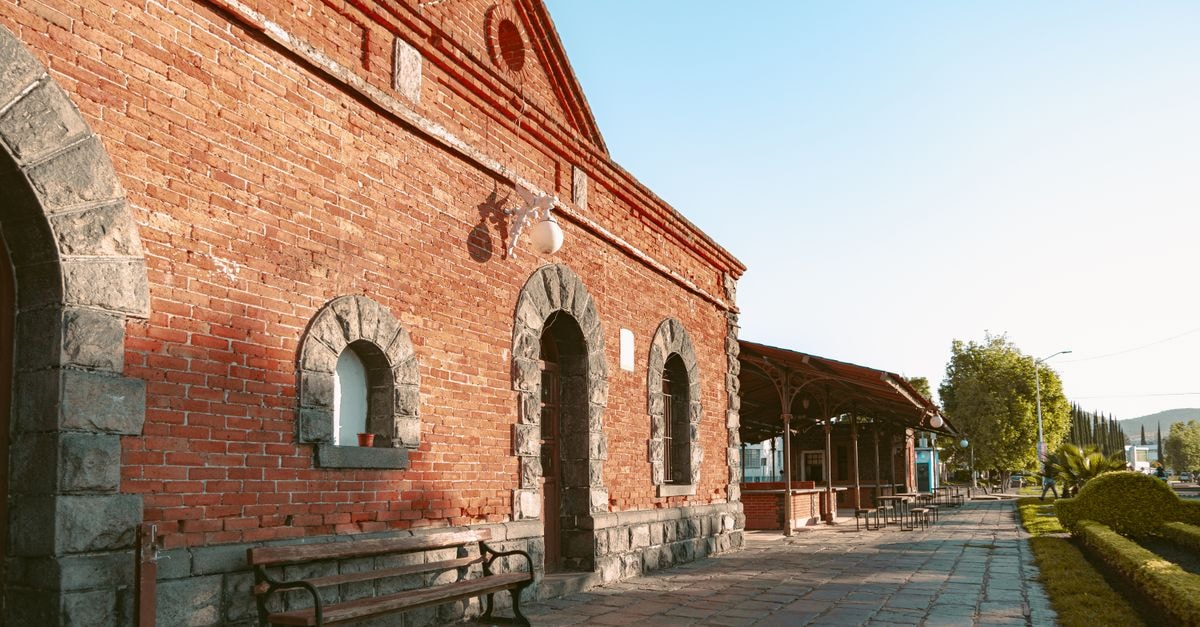
San Nicolás de los Garza's appeal begins with its age. Being one of the oldest cities in Nuevo León, founded in 1597 as a farming and ranching community, gives it a different kind of travel texture than a purely modern district. Old plazas, long-standing parish streets, and the low-rise heart of the city carry the feel of a place that grew up before the automobile did, even if the modern city has since wrapped itself around that core. Walking slowly through the older parts of town is the simplest way to sense this.
Travelers planning a visit will find the city well-covered by mainstream travel guide platforms, with dedicated San Nicolás de los Garza pages listing hotels, homes, flights, trains, car services, car rentals, airport transfers, attractions, tours, and eSIM options in one place. That kind of central booking hub is useful for sketching the basics of a trip, especially for visitors combining a stay here with time in greater Monterrey.
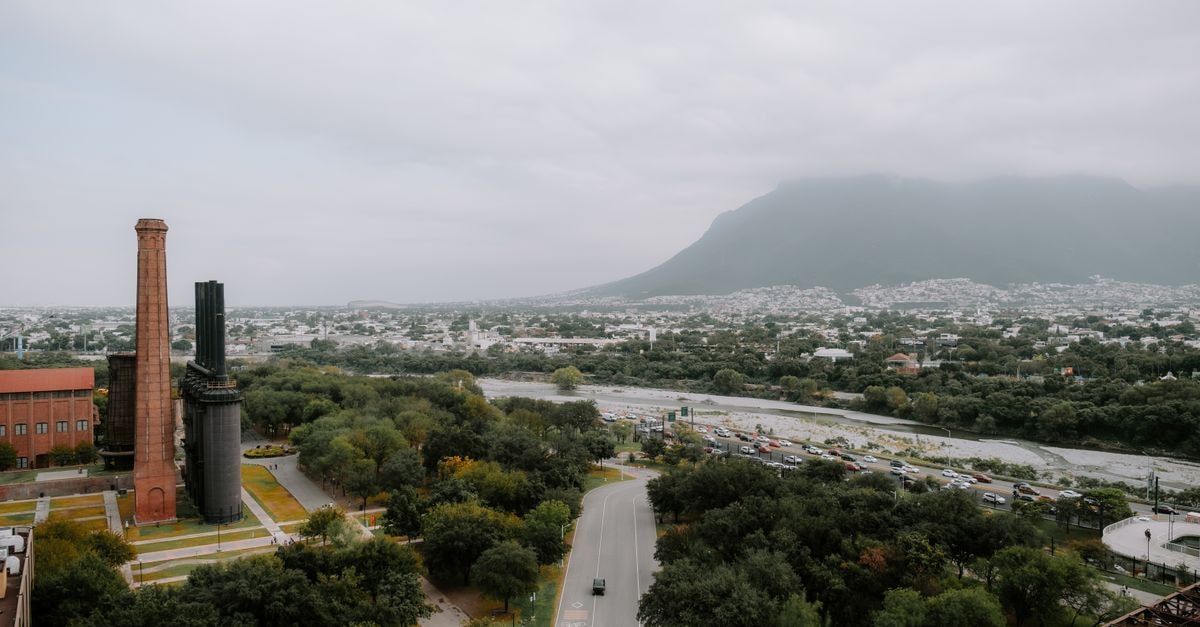
Within the wider metropolitan area, a frequently highlighted landmark is Fundidora Park, listed among the top attractions of the region with a 5 out of 5 rating from early visitor reviews. Fundidora Park is best understood as a historic landmark and a green-and-industrial-heritage space in the heart of greater Monterrey, and it functions as a natural anchor point for a day spent moving between San Nicolás and the surrounding city. Treat it as a half-day or full-day excursion rather than a quick stop, especially if you enjoy walking, photography, or simply watching families and cyclists use a large urban park.
Because the city's identity is so tied to its 1597 founding, pair any sightseeing with a little background reading before you arrive. Knowing that you are walking through one of Nuevo León's oldest settlements reframes the experience: small details in the older streets start to feel like living evidence rather than background scenery.
Food and local context
San Nicolás de los Garza follows Monterrey's hearty northern-Mexico traditions, and that is the single most important sentence to keep in mind when planning meals. Expect grilled meats, cabrito, and robust antojitos served in mercados and taquerías. The flavor profile leans toward charred, savory, and beef- or goat-forward rather than the lighter, seafood-leaning plates you might associate with coastal Mexico. Portions tend to be generous, and eating is treated as a social, unhurried activity.
The breakdown of cuisine types found across San Nicolás de los Garza's restaurants and food venues, based on OpenStreetMap data, shows a wide spread of options. That means the city is not limited to one style: alongside the classic northern grill houses, you will find taquerías, antojito counters, casual diners, and a mix of other formats. For travelers, this is good news because it allows for both planned meals at well-known local spots and spontaneous discoveries while wandering.
In broader context, the wider Mexican culinary scene that visitors may encounter while in San Nicolás follows some nationwide patterns worth knowing. Cuisine across northern regions is generally less spicy than in southern Mexico, but salsas are always available to add heat at the table. If you prefer mild flavors, this is a comfortable part of the country to eat in; if you love heat, a green or red salsa on the side will quickly solve that. Across Mexico, you will also find that restaurants, even modest ones, take pride in their house salsas, so asking for a taste before committing is normal and expected.
Regionally, Monterrey represents the culinary capital of Northeast Mexico, and San Nicolás sits right inside that orbit. What that means in practice is that the dining scene here feels confident and varied: classic cabrito and grilled meats sit alongside antojitos, contemporary kitchens, and the everyday taquerías that locals actually use. A balanced approach works well — book one or two sit-down meals to enjoy the more traditional plates, and leave plenty of room for mercado counters and street-side tacos.
How to think about time in the city
Because San Nicolás is woven into the Monterrey metro area, the most relaxed way to approach the visit is to think in terms of themes rather than a rigid hour-by-hour plan. Spend one stretch on heritage and old-city walking, save another stretch for Fundidora Park and the broader metropolitan sights, and leave generous time for meals. That pacing lets the city's 1597 roots, its modern energy, and its northern-Mexico food traditions all get their proper space without rushing.
A useful travel approach is to choose a home base that lets you move easily between the older parts of San Nicolás and the wider Monterrey area, since the two are tightly connected. Public transport, taxis, and ride-hailing all work for these short hops, and having one anchor neighborhood makes it much easier to drift back for a rest between outings.
A note on planning and verification
Travel information, including opening hours, restaurant availability, transport options, and local services, can change. Before relying on any specific detail for bookings or daily plans, check the latest information through official channels, your accommodation, or up-to-date travel platforms. Treat this guide as a starting framework for understanding San Nicolás de los Garza — its heritage as one of Nuevo León's oldest cities, its place inside greater Monterrey, and the hearty northern-Mexico food traditions that define eating here — and let current, locally verified information shape the final details of your trip.
Share this article
TOOLS FOR THIS PLAN
Make the San Nicolás de los Garza plan measurable
Choose a tool only when it answers the next question in your trip. Your values stay in the browser, and each tool offers a route back to this planning context.